


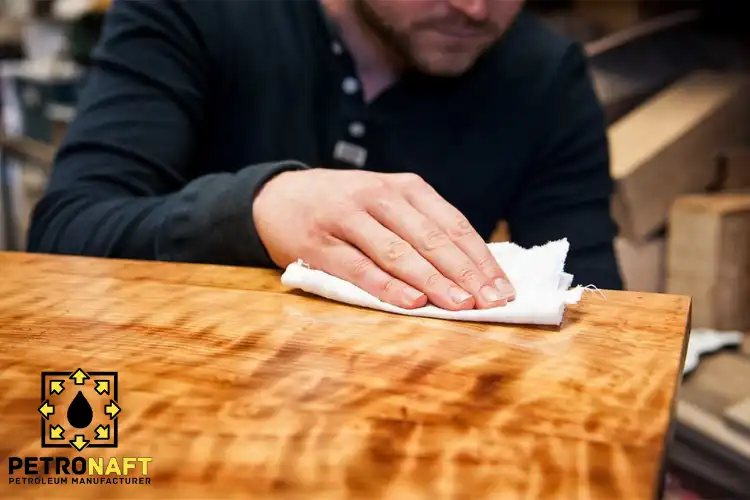
Microcrystalline Wax Polish is a fast way to add a tough, glossy, water-repellent finish on wood, metal, leather, and many painted surfaces. Applied in whisper-thin coats and buffed, it fills micro-scratches, reduces fingerprints, and slows tarnish or staining—without the heavy buildup and yellowing common with softer waxes.
If you want one result to remember, it’s this: thin coats + proper buffing = durable high-gloss shine. Most “wax failures” come from applying too much product or skipping surface prep.
Highlights & Key Sections
Why microcrystalline wax polish feels “different” in real use
Compared with softer household waxes, microcrystalline-based polishes tend to:
- Flex instead of cracking on small movement (think cabinet doors, tools, hinges)
- Hold a clearer gloss with less haze over time
- Resist fingerprints better on high-touch areas
- Create a tighter moisture barrier, which helps slow corrosion/tarnish indoors
Practical example: a brushed brass door handle that looks smudgy 10 minutes after cleaning will usually stay cleaner-looking longer after a correctly buffed microcrystalline wax layer.
Microcrystalline Wax Polish: What It Is (and What It Isn’t)
What it is
- A protective polish built around microcrystalline wax, often blended with refining oils and (sometimes) mild solvents or emulsifiers.
- Designed to leave a thin, clear film that can be buffed to a soft satin or high-gloss finish.
What it isn’t
- Not a “repair coating” for deep scratches, peeling varnish, flaking paint, or active corrosion.
- Not a permanent outdoor coating (UV, heat cycles, and pollution will shorten life fast).
- Not a good idea for slippery walking surfaces (floors, stairs) unless the product is specifically made and labeled for that purpose.
Best surfaces (and where to be cautious)
Use this quick table to avoid the most common mistakes.
| Surface | Works well? | Finish you can expect | Notes for best results |
|---|---|---|---|
| Sealed wood (varnish/lacquer/oil-finish) | ✅ | Satin → high gloss | Clean first; apply ultra-thin to avoid streaks |
| Bare, sanded wood | ✅ (with care) | Usually satin | Can darken slightly; test on an unseen area |
| Metals (brass, bronze, steel, chrome) | ✅ | Crisp gloss | Wax after removing fingerprints and residues |
| Leather (smooth, finished) | ✅ (lightly) | Low sheen | Use minimal product; avoid suede/nubuck |
| Painted surfaces (fully cured) | ✅ | Satin → gloss | Avoid soft/uncured paint; always spot test |
| Stone (polished marble/granite) | ⚠️ | Gloss boost | Risk of residue in pores; test first |
| Porous stone (limestone, unsealed concrete) | ❌/⚠️ | Patchy | Can trap residue and look cloudy |
| Rubber/soft plastics | ⚠️ | Variable | Some can haze or feel tacky—test first |
Mini tutorial: the “thin-coat” method that prevents haze
This is the method pros use when they want a clean shine without greasy buildup.
Tools you’ll want
- 2 clean microfiber cloths (one for applying, one for buffing)
- Soft detailing brush (for crevices)
- Mild cleaner/degreaser suited to the surface
- Optional: cotton swabs for corners
Step-by-step (works for most surfaces)
- Clean like you mean it
Remove oils, fingerprints, and old polish residue. Let the surface dry fully. - Load less than you think
Start with a pea-sized amount per ~0.5 m² (or a few small dabs on a handle-sized object). - Spread to “almost invisible”
You should barely see the film. If it looks creamy or wet, it’s too thick. - Let it haze briefly
Wait until it looks slightly dull (often a few minutes; longer in cool rooms). - Buff with a fresh cloth
Use light pressure, then finish with faster strokes for higher gloss. - Optional second coat
For high-touch items, add a second ultra-thin coat after the first is fully buffed.
Pro tip: If you can “write your name” in a visible wax layer, you used too much.
Surface-specific playbooks (quick and practical)
Wood furniture (sealed)
- Goal: depth + gloss without smears
- Do: apply in small sections (like one drawer front at a time)
- Don’t: wax over greasy kitchen residue or silicone-based spray polish
Fast win: On a dining table, a correctly buffed coat often reduces “water ring panic” because minor drips have less time to soak into micro-porosity.
Metal tools, handles, and fixtures
- Goal: slow tarnish and keep a clean shine
- Do: wipe with a clean dry cloth before waxing; fingerprints are corrosion starters
- Don’t: wax over active rust—stabilize first
Example: A brushed stainless rail in a lobby stays less streaky when waxed and buffed properly, because skin oils don’t cling as easily.
Leather (smooth, finished leather only)
- Goal: light protection + subtle sheen
- Do: use tiny amounts and buff gently
- Don’t: use on suede, nubuck, or heavily absorbent leather
Mini check: After buffing, the leather should feel dry—not slick.
Stone (polished surfaces only, with testing)
- Goal: gloss enhancement
- Do: use a soft cloth and apply extremely thin
- Don’t: push wax into pores, seams, or textured areas
If you see white residue collecting in texture, stop and reassess—stone is the easiest place to create “wax ghosts.”
Buying guide: choosing the right product type for your job
Instead of chasing marketing claims, match the format to your workflow.
| Format | Best for | Pros | Watch-outs |
|---|---|---|---|
| Paste | Detail work, collectibles, hardware | Most control, often highest gloss | Over-application is common |
| Liquid/cream | Larger surfaces, faster coverage | Easy spreading, consistent | Can streak if applied thick |
| Water-based emulsion | Indoor use, low-odor environments | Often lower odor, easier cleanup | May need extra buffing to reach peak gloss |
| Aerosol | Speed on large items | Quick, convenient | Overspray risk; can look uneven |
What to look for (buyer-oriented)
- Dries to a non-tacky finish
- Buffs clear (no chalky haze)
- No heavy scent if you’ll use it indoors
- Clear compatibility notes (wood/metal/leather/painted surfaces)
Troubleshooting table: fix problems in minutes
| Symptom | Most likely cause | Fast fix |
|---|---|---|
| Cloudy haze after buffing | Coat is too thick | Re-buff with a clean cloth; if needed, wipe lightly with a suitable cleaner, then reapply thinner |
| Streaks on dark wood | Residue + uneven pressure | Clean surface, apply in smaller sections, buff with a second cloth |
| Feels sticky hours later | Too much product or humid/cool room | Remove excess with a surface-safe cleaner; reapply ultra-thin |
| White buildup in crevices | Wax pushed into texture | Use a soft brush/cotton swab to lift; avoid crevice loading next time |
| Dull spots | Uneven cleaning or missed buff | Spot-clean and re-buff; add a tiny touch-up coat |
How long does it last? A realistic maintenance schedule
Durability depends more on touch frequency and cleaning habits than on “wax hardness.”
| Use case | Typical reapplication cadence | Why |
|---|---|---|
| Display pieces, low touch | Every 3–6 months | Minimal abrasion |
| Furniture (weekly use) | Every 6–12 weeks | Cleaning + contact wear |
| Metal fixtures (daily touch) | Every 4–8 weeks | Fingerprints + micro-abrasion |
| Workshop tools | Monthly or as needed | Oils, handling, friction |
| Outdoor items | Not ideal | UV and weather strip wax quickly |
Safety and compatibility (don’t skip this part)
- Ventilation matters if the product uses solvents or strong carriers.
- Spot test first on painted, stained, leather, plastic, and stone surfaces.
- Avoid waxing surfaces that must be re-finished soon (wax can interfere with new coatings if not fully removed).
- Keep wax away from food-contact surfaces unless the product explicitly states suitability.
- Store sealed and away from heat; many polishes are flammable until fully cured.
Two trends shaping modern wax polishes (and why you should care)
- Lower-odor, water-based formulations are gaining share for indoor projects and compliance-driven environments. The tradeoff: they can demand more careful buffing to reach the same “wet look.”
- Hybrid protective blends (wax + advanced polymers or ceramic-like additives) are increasingly used where users want wax warmth with longer durability—especially in automotive and high-touch architectural hardware.
Conclusion: when Microcrystalline Wax Polish is the smartest move
Microcrystalline Wax Polish shines when you need clear gloss + practical protection on wood, metal, leather, or stable painted surfaces—without a thick, greasy layer. Treat it like a precision finish: clean well, apply unbelievably thin, buff fully, and recoat on a schedule that matches real-world touch and cleaning.
Practical checklist (print this)
- Surface is clean, dry, and free of oily/silicone residue
- Apply ultra-thin (barely visible film)
- Let it haze lightly before buffing
- Buff with a second clean cloth for final gloss
- Use a brush/swab for corners—don’t pack crevices with wax
- Spot test sensitive materials (paint, leather, plastic, stone)
- Reapply based on touch frequency (not just “time passed”)
FAQ
1) Can microcrystalline wax polish prevent metal tarnish?
It can slow tarnish indoors by reducing moisture and contaminant contact. It won’t stop tarnish forever, especially in humid or polluted environments, but it often extends the “clean look” noticeably.
2) Will it make wood furniture slippery or sticky?
Properly buffed, it should feel dry and smooth, not greasy. Slippery feel usually means too much product; stickiness usually means excess wax or poor curing conditions.
3) Is it safe on painted surfaces?
Often yes—if the paint is fully cured and you spot test first. Fresh or soft paint can mark easily, and matte paints may become glossier than you want.
4) Can I use it on leather shoes or bags?
On smooth, finished leather, a very light application can add mild water resistance and sheen. Avoid suede/nubuck and always test first to prevent darkening or uneven shine.
5) What’s the #1 mistake that ruins results?
Applying too much. Microcrystalline wax works best as a thin film; thick layers are what create haze, streaks, and residue in texture.
Sources
- Definition and core properties of microcrystalline wax in industrial use: Encyclopaedia Britannica – Microcrystalline wax
- Peer-reviewed overview of wax coatings and performance limits in heritage/metal protection contexts: ScienceDirect – Protective coatings for metallic heritage conservation
- Practical conservation guidance highlighting protective waxing as a way to reduce frequent polishing and surface loss: Canadian Conservation Institute – Brass and copper care note
- Health context explaining why low-emission formulations matter in indoor environments: U.S. EPA – VOCs’ impact on indoor air quality