Liquid Paraffin Candles are refillable, oil-style candles that can deliver a steady, elegant flame with less dripping and mess than wax—when you match high-purity fuel, the right wick, and a stable glass vessel. This guide shows the real benefits, best uses, clean-burning setup steps, buying criteria, and safety rules for home and hospitality.
Highlights & Key Sections
Liquid Paraffin Candles: What They Are and How They Work
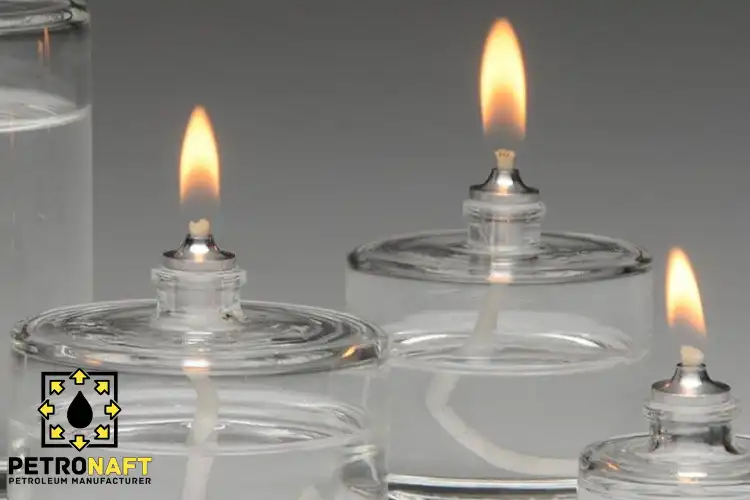
Liquid paraffin “candles” aren’t solid wax sticks. They’re typically a reservoir + wick + holder system that burns refined paraffin (mineral) oil. You refill the fuel instead of replacing the whole candle.
Core parts at a glance
Fuel reservoir: Holds the liquid paraffin (often a refill bottle + internal cup or cartridge).
Wick system: Draws fuel upward at a controlled rate.
Flame guard / chimney (optional): Helps stabilize the flame and reduce soot in drafts.
Base / holder: Adds weight and tip resistance (critical for safety).
Why they feel “cleaner” than wax
No wax tunneling.
Far less dripping onto tables, linens, or décor.
More consistent flame height when properly tuned.
Practical note: Many people use the term for both decorative oil candles (table ambiance) and oil lamps (utility lighting). The clean-burning principles are the same—only the hardware differs.
Benefits That Actually Matter (For Buyers, Pros, and Daily Users)
When people switch from wax to liquid fuel, they usually want a predictable flame, cleaner presentation, and easier operations.
1) Cleaner tables, less maintenance
Wax candles can drip, warp, or leave residue on holders.
Liquid systems reduce cleanup time and protect surfaces.
Real example (hospitality)
A café using wax tapers on 20 tables often deals with:
Wax on linens and menus
Uneven burn and frequent replacements
Switching to refillable oil-style candles can reduce “end-of-shift scraping” and keep tables looking consistent for every seating.
2) More predictable burn behavior
A correctly sized wick pulls fuel at a steady rate. That means:
Fewer “surprise” flare-ups from oversized flames
More consistent light output across multiple tables
3) Cost control you can measure
Instead of paying per candle, you pay per milliliter of fuel consumed. That makes budgeting easier for restaurants, event venues, and hotels.
4) Less waste (and often better storage logistics)
Fewer disposable candle stubs and packaging.
Refills store neatly and rotate like any consumable.
Benefit-to-action table
Benefit
Why it matters
What makes it true in real life
Less mess
Cleaner tables, décor, and holders
Use a stable holder + avoid overfilling
Steady flame
Better ambiance + consistent photos
Match wick size to vessel and draft conditions
Measurable cost
Easier purchasing decisions
Track burn rate (ml/hour) for your setup
Lower waste
Fewer disposables
Choose refillable systems and durable glass
Clean-Burning Basics (How to Keep the Flame Bright, Not Sooty)
People love the phrase “clean-burning,” but the truth is simple: any flame can soot if the burn isn’t balanced. Soot usually shows up when the flame lacks oxygen or the wick feeds too much fuel.
The 4 drivers of soot (and how to control them)
Drafts: Flickering flames burn “dirty.”
Fix: Use a chimney-style glass or move away from air vents.
Wick too large: Excess fuel overwhelms combustion.
Fix: Step down wick size or reduce exposed wick height.
Contaminated fuel: Impurities can increase odor/soot.
Fix: Buy consistent, high-purity fuel from reputable suppliers.
Long unattended burn cycles: Carbon builds up on wick tip.
How to Choose the Right Fuel, Vessel, and Wick (Buyer-Focused)
If you want “optimal,” treat this like a small system: fuel + wick + airflow.
Fuel: what to look for
Clear, low-odor, consistent refinement level
Stable, repeatable burn behavior across batches
Proper labeling and safety documentation (ask for a safety data sheet)
Packaging that reduces misuse risk (especially if children are present)
Questions professionals should ask suppliers
Is the fuel intended for indoor decorative lighting (not general-purpose solvents)?
What are the recommended wick types and typical burn rates for your design?
Are there batch controls for odor, color, and combustion consistency?
What storage conditions preserve performance?
Vessel/holder: what matters most
Tip resistance: A heavy base reduces accidents.
Spill control: Designs that resist leakage when knocked are safer.
Heat handling: Use quality glass and stable metal parts.
Wick: the “invisible engine”
Wick sizing determines flame behavior more than people expect.
Too thick: soot, smoke, and glass blackening
Too thin: weak flame, frequent relighting, poor ambiance
Practical wick guidance
Start conservative (smaller), then scale up only if the flame is too weak.
Keep wicks clean and replace them on a schedule in commercial settings.
How to Use Liquid Paraffin Candles (Step-by-Step)
This workflow works for most refillable oil-candle systems.
Step 1: Set up the space
Place on a flat, heat-resistant surface
Keep clearance from:
curtains, paper menus, flowers, and décor
busy edges of tables where sleeves or bags can snag it
Step 2: Fill correctly
Fill below the maximum line
Wipe the exterior completely
Cap the refill container immediately and store it away from the flame area
Step 3: Prime the wick
Give it enough time for fuel to reach the tip.
Rushing this step causes unstable lighting and repeated relighting.
Step 4: Light and tune
Light gently; avoid “flooding” the wick with excess fuel.
Wait 2–3 minutes, then adjust:
Reduce exposed wick if you see smoke
Add wind protection if the flame flickers constantly
Step 5: Extinguish cleanly
Use a snuffer or the product’s built-in cap.
Let it cool before moving.
If you see carbon buildup on the wick tip, trim or wipe before the next use.
Safety and Compliance (Home, Hospitality, and Events)
Open flames demand discipline—especially in public spaces. Many jurisdictions and venues impose rules for decorative flames, and commercial operators often need equipment that is stable, spill-resistant, and self-extinguishing under certain conditions.
Non-negotiable safety rules
Never leave a flame unattended.
Keep away from children and pets; store fuel like a hazardous household chemical.
Do not place near airflow sources (HVAC vents, fans, open windows).
Don’t refuel while lit or hot.
Use only the intended fuel (never “experiment” with flammable substitutes).
Maintain a clear perimeter from combustibles.
Risk-prevention table
Risk
How it happens
How to prevent it
Tip-over fire
Light holder, crowded table
Use weighted bases; keep away from edges
Sooty indoor air
Drafts + oversized wick
Use chimney; reduce wick exposure; avoid vents
Fuel spill ignition
Overfilling or moving while hot
Fill below max; cool before moving
Poisoning risk
Accidental ingestion
Store locked/raised; never use “drink-like” bottles
Burns
Touching hot glass/metal
Cool before handling; place out of traffic lanes
If you operate a venue: treat decorative flames like any other safety-controlled element—write a simple SOP (setup, placement rules, refueling, shutdown, staff training).
Burn Time, Cost, and Smarter Buying (Commercial + Home)
Two systems can use the same fuel but have different operating costs because wick size and airflow change consumption.
Mini tutorial: estimate your burn rate (ml/hour)
Fill the reservoir to a known level (example: 200 ml).
Burn for a measured time (example: 5 hours).
Measure what’s left (example: 150 ml).
Consumption = (200 − 150) / 5 = 10 ml/hour.
Cost-per-hour calculator (example)
Metric
Example value
What it means
Fuel price per liter
6.00
Your purchase cost
Consumption (ml/hr)
10
Measured on your setup
Hours per liter
100
1000 ml / 10 ml/hr
Cost per hour
0.06
6.00 / 100
Buying tips that protect performance
Prefer systems with:
stable bases
controlled wick holders
glass protection for drafty environments
Ask for consistent fuel quality and documentation.
Avoid “mystery” fuels with unknown odor and combustion behavior.
Troubleshooting (Fast Fixes That Work)
Most “bad” performance comes from wick mismatch, drafts, or poor maintenance.
Symptom
Likely cause
Fix
Black soot on glass
Drafts or wick too large
Add chimney; reduce wick exposure; smaller wick
Visible smoke
Overfed wick or contaminated wick tip
Extinguish, cool, trim/wipe wick; tune flame
Flame too small
Wick too thin or not primed
Prime longer; move up one wick size
Flame flickers a lot
Airflow from vents/windows
Relocate; use wind protection
Odor during burn
Low-quality fuel or incomplete combustion
Improve ventilation; use higher purity fuel; stabilize flame
Frequent relighting
Poor priming or wick seated poorly
Re-seat wick; allow full prime
Trends and Innovations (Why This Category Is Growing)
Higher safety expectations: Manufacturers and standards bodies keep pushing improvements in stability, leak resistance, and misuse prevention.
What you’ll see more of in the market:
Enclosed glass designs engineered for drafty patios
Better snuffing mechanisms and cleaner relight behavior
More standardized safety testing and updated guidelines for decorative oil lamps
Executive Summary Checklist
Use this as a practical “buy + setup + maintain” guide.
Choose
☐ High-quality, consistent, low-odor liquid fuel with documentation
☐ Weighted, stable holder with spill-resistant design
☐ Wick size matched to vessel (start smaller, scale up only if needed)
☐ Chimney or wind protection for patios and drafty interiors
Set up
☐ Place on a flat, heat-safe surface with clearance from combustibles
☐ Fill below max and wipe all drips
☐ Prime wick fully before first light
☐ Tune flame height to eliminate visible smoke
Maintain
☐ Keep away from vents and moving traffic
☐ Extinguish with a snuffer; cool before moving
☐ Clean or trim wick tips on a schedule (especially in restaurants)
☐ Store fuel securely, away from children and pets
Conclusion
When you treat Liquid Paraffin Candles as a system—fuel quality, wick sizing, and airflow control—you get the premium look people want: steady flame, minimal mess, and predictable operating cost.
FAQ
1) Are liquid paraffin candles safer than wax candles?
They can be, but safety depends on the holder’s stability, spill resistance, and how you use them. Any open flame can start a fire if placed near combustibles or left unattended.
2) Why is my glass turning black even with “clean” fuel?
Soot usually comes from drafts or a wick that feeds too much fuel. Reduce airflow, use a chimney, and lower the exposed wick height.
3) Can I use these indoors every day?
Yes, if you maintain a stable flame, avoid drafts, and ventilate normally. If you notice smoke or odor, tune the wick and placement immediately.
4) How do restaurants keep performance consistent across many tables?
They standardize one holder model, one fuel, and one wick size, then train staff on priming, flame tuning, and a simple maintenance schedule.
5) What should I do if someone accidentally swallows lamp-style oil fuel?
Treat it as urgent—do not induce vomiting and contact local poison/medical services immediately. The main risk is aspiration into the lungs.