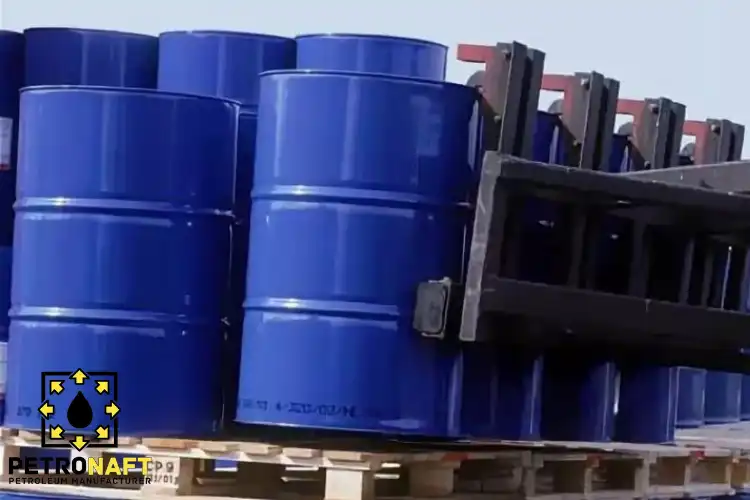
Bulk Petroleum Jelly is the go-to choice when you need consistent quality at scale—whether you’re making cosmetics, pharmaceuticals, or industrial formulations. Buying in bulk reduces unit cost, improves supply continuity, and lets you specify the exact grade, packaging, and documentation you need to pass audits and keep production running smoothly.
Highlights & Key Sections
What this guide covers
If you’re sourcing for a factory, lab, or brand, you’ll learn how to:
Choose the right grade (cosmetic, pharma, or industrial)
Compare bulk pricing fairly (beyond “price per kg”)
Qualify a supplier with practical quality checks
Pick packaging and logistics that reduce waste and damage
Bulk Petroleum Jelly: What It Is, Grades, and Why It Matters
Petroleum jelly (also called petrolatum) is a semi-solid blend of purified hydrocarbons designed to be stable, water-repellent, and skin-compatible in refined grades. In real production, the “right” product isn’t just white vs. yellow—it’s about purity controls, consistency, odor, and trace documentation.
Most buyers source one of these categories:
Pharmaceutical grade for ointments and regulated topical products
Cosmetic grade for personal care and beauty manufacturing
Industrial/technical grade for lubrication, rust prevention, and processing aids
Grade selection at a glance
Grade type
Typical use
What buyers prioritize
Common documentation
Pharmaceutical
Ointment base, medical skin protectants, compounding
Downtime risk (lead time reliability, substitute availability)
Example (illustrative):
Supplier A is $0.10/kg cheaper, but ships only in smaller cartons that double unloading and melting labor. For plants running continuous filling lines, the labor + handling delta can exceed the material savings within a single production week.
How to Qualify a Supplier (the practical, audit-proof way)
A reliable supplier doesn’t just sell product—they prevent production surprises.
Step 1: define your “fit-for-use” target
Before you request pricing, lock these down internally:
End-use: cosmetic, pharma, industrial
Required appearance: white/near-white vs yellow
Critical specs: penetration range, odor limit, drop point behavior
Regulatory expectations per market: labeling, allowed uses, documentation
Step 2: request a smart document pack
A serious bulk supplier should provide:
COA per batch with a clear test list and methods
SDS aligned to current regulatory formats
Statement of composition (general hydrocarbon nature and refining statement, where appropriate)
Packaging specification: lining type, tamper evidence, net weights, pallet patterns
Step 3: verify quality with “incoming control” tests that match your risk
You don’t need an advanced lab for meaningful checks. You need repeatable ones.
Fast checks that catch most issues:
Visual: color uniformity, foreign particles, surface oiling
Odor: compare to a retained reference sample
Consistency at a controlled temperature (simple penetration-style proxy if a full penetrometer isn’t available)
Melt behavior: controlled warm-up and clarity observation
Incoming QC checklist (copy/paste for your SOP)
Check
Why it matters
Pass criteria (set by you)
Record
Packaging integrity
Prevents contamination and loss
No leaks, no dents compromising seals
Photos + receiving log
Label/lot match
Enables traceability
All labels match PO + COA
COA attached
Color/appearance
Impacts finished goods
Matches reference sample
Retain sample
Odor
Impacts cosmetics and sensitive uses
Neutral / within internal limit
Panel log
Consistency
Impacts filling and feel
Within internal range
QC sheet
Melt/softening behavior
Impacts hot processing
No abnormal separation
QC sheet
Documentation completeness
Audit readiness
COA + SDS + packing list present
ERP upload
Packaging & Logistics Options for Bulk Orders
Your packaging choice can be the difference between smooth production and constant handling pain.
Packaging comparison
Format
Best for
Pros
Watch-outs
25 kg cartons / pails
Small-to-mid users, R&D
Easy to handle, flexible
More labor, more packaging waste
170–200 kg drums
Regular production runs
Better unit economics, less packaging per kg
Requires drum handling equipment
IBC / totes (where feasible)
High-volume users
High throughput, fewer units
May require heated handling and strong contamination control
Heated bulk/tank transfer
Very large industrial users
Lowest handling cost
Needs temperature-managed logistics and specialized unloading
Real-world tip: If your plant melts petroleum jelly before batching, ask whether the supplier can optimize the product and packing for faster melt (without changing your required specs). That can cut batch prep time noticeably on busy lines.
Sustainability & Compliance: What buyers ask for right now
Sustainability is no longer only a marketing layer—it’s a procurement requirement in many tenders.
Practical sustainability wins in bulk petroleum jelly sourcing often look like:
Packaging reduction per ton by shifting from cartons to drums/IBC
Lower damage and leakage rates, reducing waste and rework
Traceability discipline to support responsible sourcing policies
On compliance, two pressures keep growing:
Stronger expectations around impurity control for skin-contact products (buyers increasingly ask how purity is verified, not just whether it’s “fine”)
Higher scrutiny of documentation and batch consistency, especially for multi-market brands and contract manufacturers
And yes—consumer trends affect industrial demand. The continued popularity of heavy occlusive skincare routines has kept petrolatum-based products highly visible, which increases the downstream need for consistent, low-odor, refined grades.
Storage, Handling, and Shelf-Life Management
Bulk petroleum jelly is stable, but handling mistakes cause most complaints.
Storage and handling best practices
Topic
Best practice
Why it helps
Storage temperature
Keep in a controlled ambient range
Prevents texture drift and sweating
Container hygiene
Keep lids sealed; avoid water exposure
Water contamination causes processing headaches
FIFO rotation
Use first-in, first-out
Maintains consistency across seasons
Heating
Use gentle, controlled heating when needed
Prevents local overheating and discoloration
Sampling
Use clean tools and dedicated sampling points
Protects batch integrity
Shelf-life note: Many refined petroleum jelly grades remain usable for years when stored correctly, but you should always follow the supplier’s stated shelf life and your internal stability requirements.
Common Problems & Troubleshooting (quick fixes)
Issue
Likely cause
Practical fix
Unexpected odor
Different refining profile or contamination
Compare to retained sample; tighten odor acceptance limits
Control temperature; specify penetration range in RFQ
How to Request a Quote that gets the right product the first time
A good RFQ prevents “cheap-but-wrong” offers.
Include these details:
Grade target (pharma/cosmetic/industrial) and intended use
Color expectation (white/near-white vs yellow) and odor sensitivity
Key specs: penetration range, softening behavior, any internal limits
Packaging format + pallet preferences
Order size + monthly/quarterly forecast (if available)
Destination, Incoterm preference, and temperature constraints in transit
Required documents: COA format, SDS, traceability expectations
Sampling plan: pre-shipment sample and retention sample policy
Buyer behavior that saves money: Ask for a small pre-production trial lot before you commit to a multi-container contract—especially if you’re switching suppliers or changing packaging.
Conclusion
When you source Bulk Petroleum Jelly with clear specs, practical QC, and the right packaging strategy, you get more than a lower price—you get fewer line stoppages, fewer customer complaints, and predictable finished-product performance. The best supplier relationship is one where quality stays boring and delivery stays consistent.
Executive Summary & Buyer Checklist
Use this checklist before placing a bulk order:
Define end-use (pharma, cosmetic, industrial) and the compliance target
Request a complete document pack (COA, SDS, traceability, packaging spec)
Choose packaging that matches your plant reality (labor, melt method, unloading)
Compare quotes using landed cost, not unit price alone
Run incoming QC with retained reference samples and clear acceptance limits
Lock storage and heating SOPs to prevent texture and color drift
Start with a trial lot if switching suppliers or changing grades
FAQ
1) What’s the difference between cosmetic and pharmaceutical petroleum jelly?
Pharmaceutical grades typically follow tighter purity controls and documentation standards for regulated applications. Cosmetic grades can be very high quality too, but you should match the grade to your market’s compliance expectations and your formulation sensitivity.
2) Does petroleum jelly need special temperature-controlled shipping?
Usually it ships fine in ambient conditions, but extreme heat can soften it and increase leakage risk, while extreme cold can make unloading harder. If you buy in drums or totes, confirm seasonal logistics and your unloading method before ordering.
3) Which tests matter most when buying in bulk?
For most buyers, consistency (penetration), appearance (color), odor, and softening behavior drive real-world performance. If the product touches skin, buyers also look closely at how purity and impurity controls are verified and documented.
4) Can bulk petroleum jelly be used as an “active” skin protectant?
In certain markets and product types, petrolatum is recognized as a skin protectant ingredient within specific concentration ranges. Always confirm the exact regulatory pathway and labeling rules for your target market and product claims.
5) How can I avoid batch-to-batch texture changes in my finished products?
Lock a realistic spec window, standardize your melt/mix temperatures, and keep a retained reference sample from an approved lot. Most “mystery” texture issues come from temperature variation, inconsistent incoming material, or uncontrolled cooling in production.