ARTICLES AND NEWS

Factory showcasing the Paraffin Wax Production Process
Article

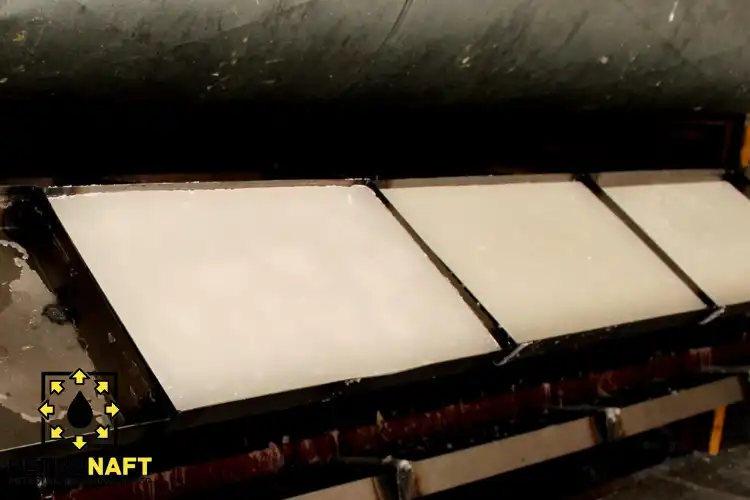
Paraffin Wax Production Process: Step-by-Step Guide

This guide explains the Paraffin Wax Production Process in practical steps: selecting waxy feedstocks, crystallizing and separating wax, removing residual oil, hydrofinishing for color and odor, and verifying quality with the right lab tests. You’ll also learn how to choose grades for candles, packaging, cosmetics, and industrial uses, plus a buyer checklist to request the right documents and specifications.

Read More »
Bitumen Blowing Technology at a Bitumen Production Plant
Article

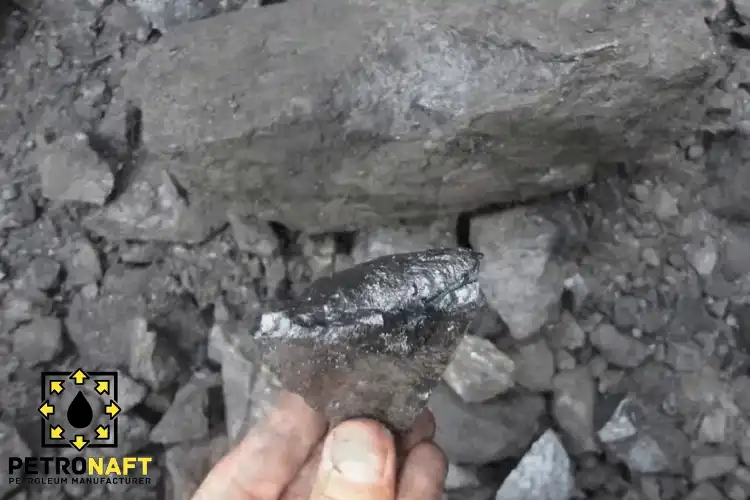
Bitumen Blowing Technology: Process, Uses & Key Benefits

Bitumen Blowing Technology turns straight-run bitumen into oxidized grades by injecting air under controlled heat and mixing. Here you’ll learn the key process steps, which parameters change softening point and penetration, the most common uses (roofing, waterproofing, coatings), and what quality tests to request from suppliers. Finish with a practical checklist to specify and buy the right grade confidently.

Read More »
Using Caustic Soda Flakes Drain Cleaner
Article

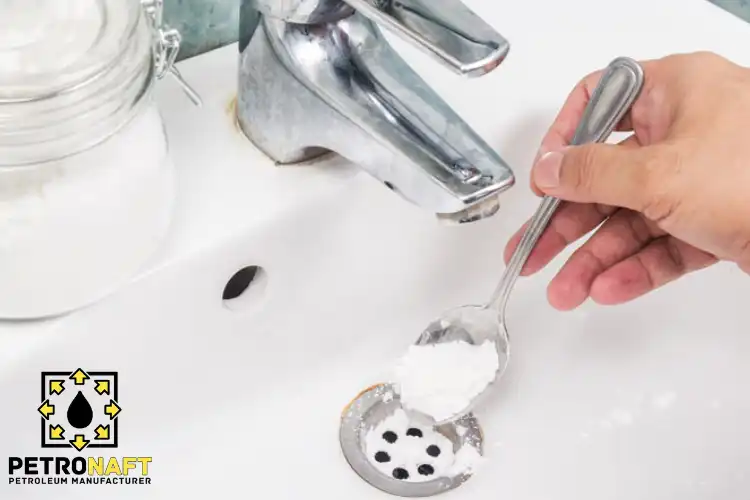
Caustic Soda Flakes for Drain Cleaning: Uses, Safety & How to Use

Caustic Soda Flakes for Drain Cleaning: can be effective against grease and soap-based buildup when used with the right dose, water temperature, and safety precautions. This guide explains how sodium hydroxide works, which clogs it can’t fix, step-by-step home and professional workflows, material compatibility, and what to look for when buying industrial-grade flakes.

Read More »
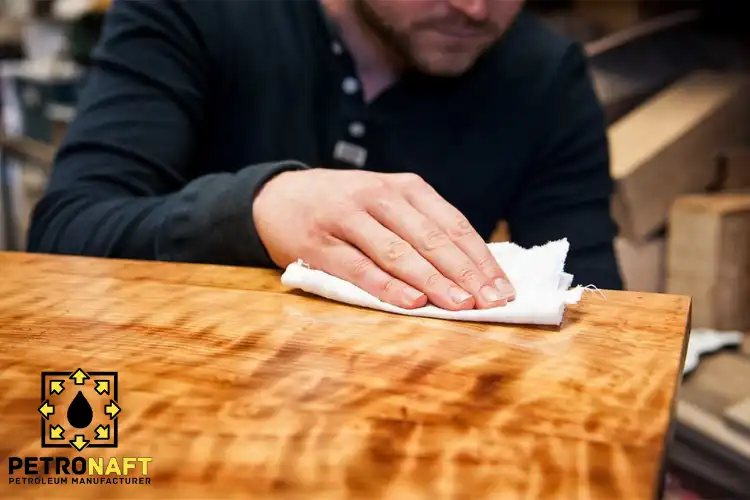
Applying Microcrystalline wax polish on wood
Article

Microcrystalline Wax Polish: Ultimate Protection & High-Gloss Shine

Microcrystalline Wax Polish forms a clear, flexible protective layer that boosts gloss while helping resist fingerprints, moisture, and light abrasion. In this guide you’ll learn what it is, which surfaces it suits, how to apply ultra-thin coats for a streak-free shine, and how to troubleshoot haze, tackiness, or dull spots. You’ll also get a practical buying checklist and maintenance schedule for homes, workshops, and professional use.

Read More »
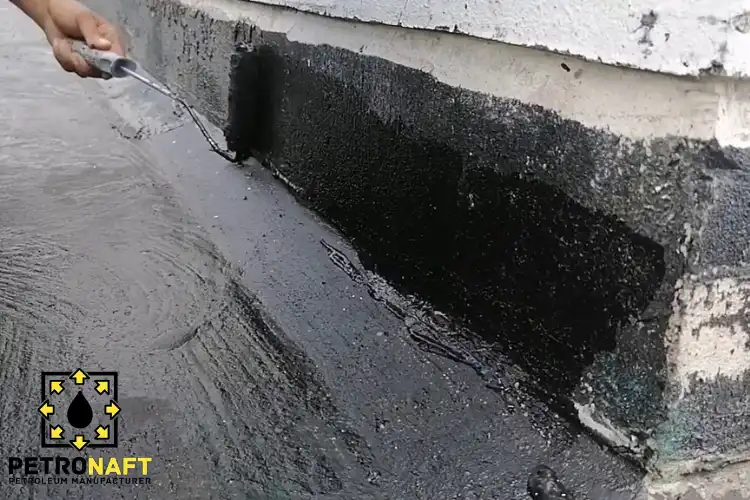
Person applying Asphalt Emulsion Sealer
Article

Asphalt Emulsion Sealer Guide: Uses, Benefits, Application & FAQs

This Asphalt Emulsion Sealer Guide explains what emulsion sealcoat is, when it works (and when it won’t), and how to apply it like a pro. You’ll learn product selection criteria, prep and crack-repair steps, real-world coverage calculations, drying/curing expectations, and troubleshooting for streaks, peeling, and tracking. It finishes with buyer tips, a field checklist, and 5 concise FAQs.

Read More »
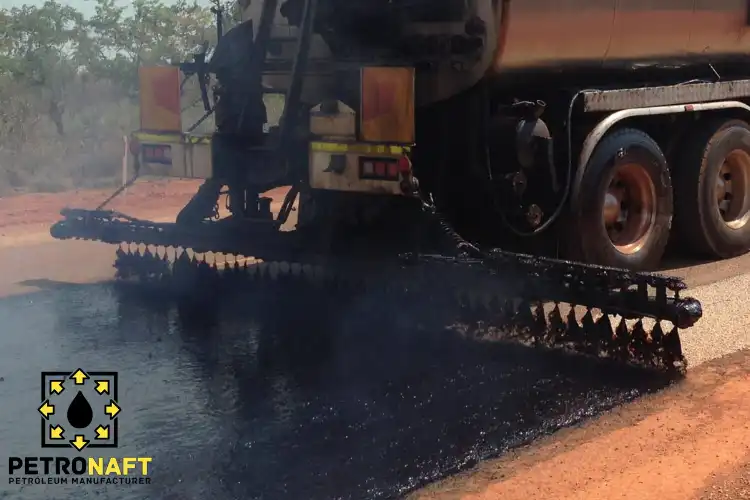
Rapid Curing Cutback Bitumen tar sprayer machine
Article

Rapid-Curing Cutback Bitumen (RC): Uses & Benefits for Roads

Rapid-Curing Cutback Bitumen is a fast-setting asphalt binder thinned with a highly volatile solvent, used mainly for surface treatments, patching, and some prime/tack applications where quick curing matters. This guide explains how RC grades differ, how to select and apply them in the field, what performance benefits to expect, and the safety and QC checks buyers should demand to meet road specs and minimize failures.

Read More »
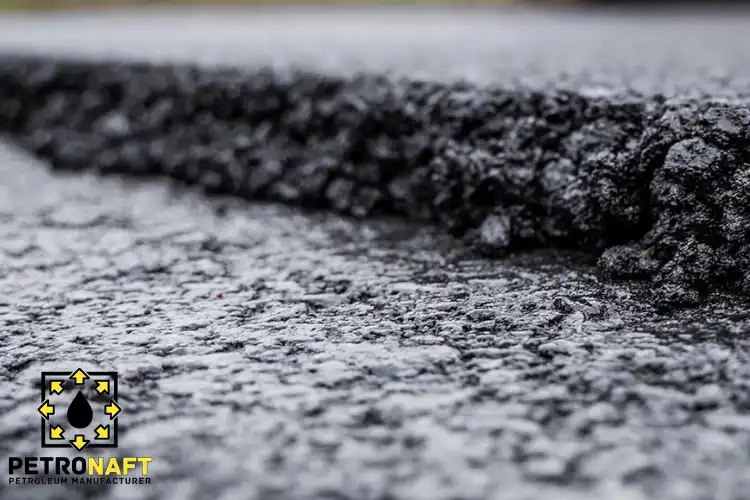
Roadside view of asphalt made of bitumen
Article

What Is Asphalt Made Of? Ingredients & Composition Explained

Asphalt Made Of mostly aggregates bonded with asphalt binder, but real performance depends on gradation, binder grade, additives, and compaction. This article breaks down each ingredient’s role, explains common mix types (from dense-graded to SMA and porous asphalt), and gives practical buyer-focused steps for selecting the right mix for driveways, parking lots, highways, and industrial yards—plus a simple checklist to avoid costly early failures.

Read More »
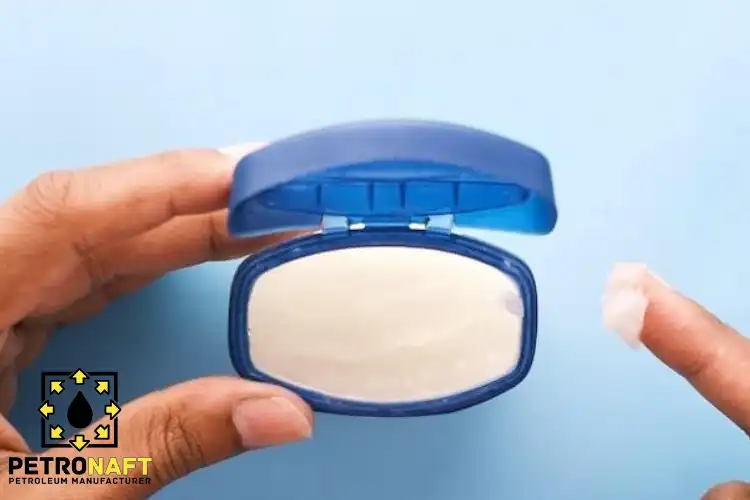
Person applying Vaseline, showcasing Vaseline Ingredients
Article

Vaseline Ingredients Explained: What’s in Petroleum Jelly?

Vaseline Ingredients Explained breaks down what petroleum jelly (white petrolatum) really is, how modern purification removes problematic impurities, and why it’s one of the most effective occlusive barriers for dry, cracked skin. You’ll learn how to read labels, compare product types, avoid common mistakes, and apply it safely for lips, hands, and minor skin irritation—with a buyer-focused checklist at the end.

Read More »
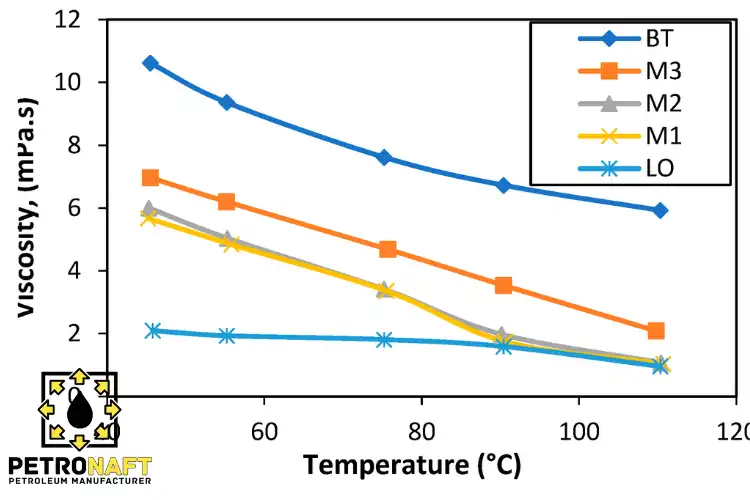
Graph of bitumen viscosity vs temperature
Article

Bitumen Viscosity vs Temperature: Relationship & Chart

This guide explains Bitumen Viscosity vs Temperature with a ready-to-plot chart table, practical temperature targets for mixing and compaction, and real troubleshooting tips for pumping, storage, and paving. You’ll learn how to interpret viscosity units, estimate viscosity at different temperatures using simple field-friendly methods, and avoid common errors like overheating, premature cooling, and inconsistent workability across shipments.

Read More »
Samples of Semi Refined vs Fully Refined Paraffin Wax
Article

Semi-Refined vs Fully Refined Paraffin Wax: Which to Choose?

This guide explains how to choose between semi-refined and fully refined paraffin wax using real-world performance factors: oil content, odor, color, hardness, and compliance needs. You’ll see quick comparison tables, use-case recommendations, simple acceptance tests, and a procurement checklist for COA specs. If you buy, formulate, or produce with wax, Semi-Refined vs Fully Refined Paraffin Wax decisions will become faster and safer.

Read More »
Cutbacks-Emulsions
Article

How Are Cutback Bitumen & Bitumen Emulsions Made?

This guide explains how Cutback Bitumen & Bitumen Emulsions Made in modern plants, from selecting base bitumen and cutter stocks to emulsifier choice, pH control, and colloid-mill mixing. You’ll learn typical production steps, quality tests, common troubleshooting fixes, and how to specify the right grade for prime coats, tack coats, chip seals, and slurry or micro-surfacing—so you can buy with confidence and avoid job-site failures.

Read More »
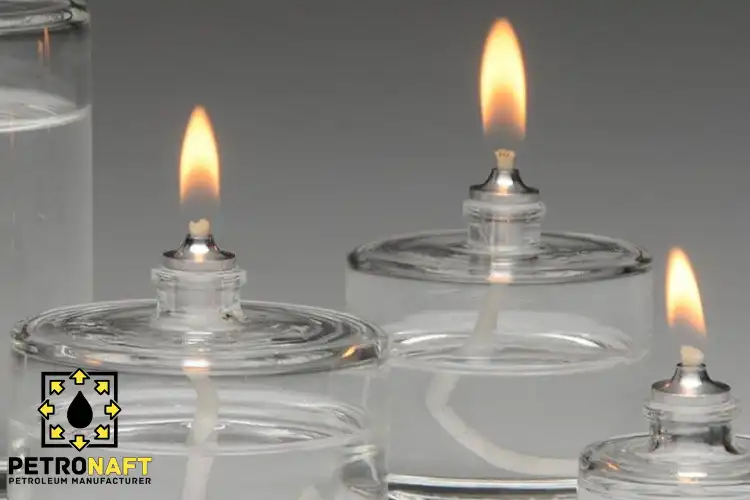
Candles made from artminds paraffin wax
Article

ArtMinds Paraffin Wax: Uses, Benefits & Candle-Making Tips

This guide explains how to use ArtMinds Paraffin Wax for better-looking, better-performing candles and wax melts. You’ll learn where it shines, how to choose and test wicks, how to set fragrance levels without wasting batches, and how to fix common issues like tunneling, soot, and sinkholes. It’s written for hobbyists, small-batch makers, and anyone comparing wax options for reliable results.

Read More »