
Foots Oil for Rubber Production Industry
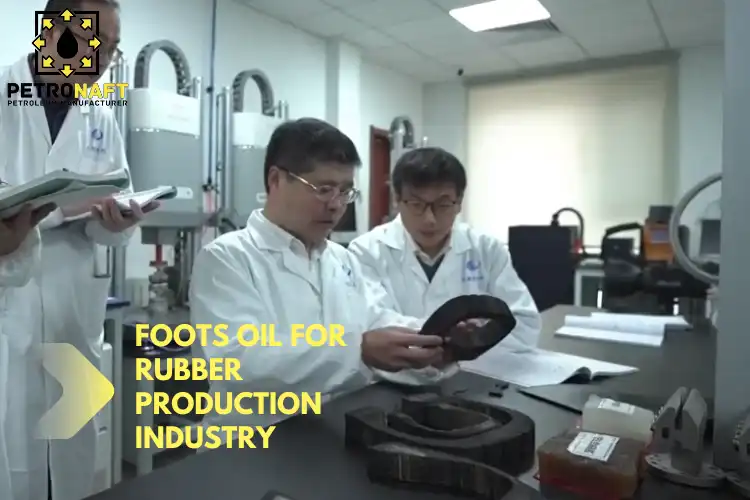
Foots oil for rubber production has emerged as a cornerstone in the rubber industry. This introductory section sheds light on the indispensability of foots oil, outlining its critical role from enhancing the quality and durability of rubber products to acting as a sustainable option in the face of environmental challenges. As we embark on this exploration, we delve into the multifaceted impact of foots oil, setting the stage for a deeper understanding of its contributions to rubber manufacturing.
What is cargo X platform?

The Cargo X platform marks the beginning of a new era in logistics and freight management. By integrating innovative blockchain technology, Cargo X introduces a level of security, transparency, and efficiency previously unseen in the industry. This introduction provides a gateway into understanding how Cargo X is not just changing the landscape of global logistics, but also setting new benchmarks for the future.
How can I make my asphalt more environmentally friendly?
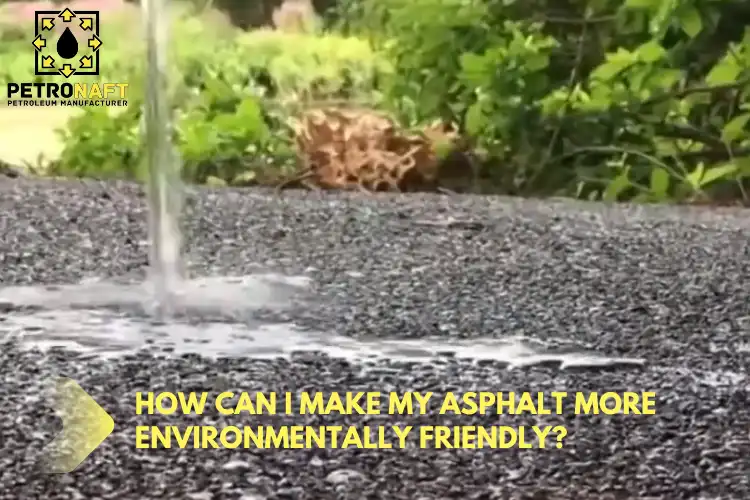
In the quest to make asphalt more environmentally friendly, we embark on a journey that redefines road construction and infrastructure development. This exploration is not just about reducing the environmental impact; it’s about revolutionizing the industry with innovative materials and cutting-edge technologies. As we navigate through various sustainable practices, we uncover the potential of asphalt to be not just a construction material, but a catalyst for eco-friendly innovation.
What is bitumen roof paint?
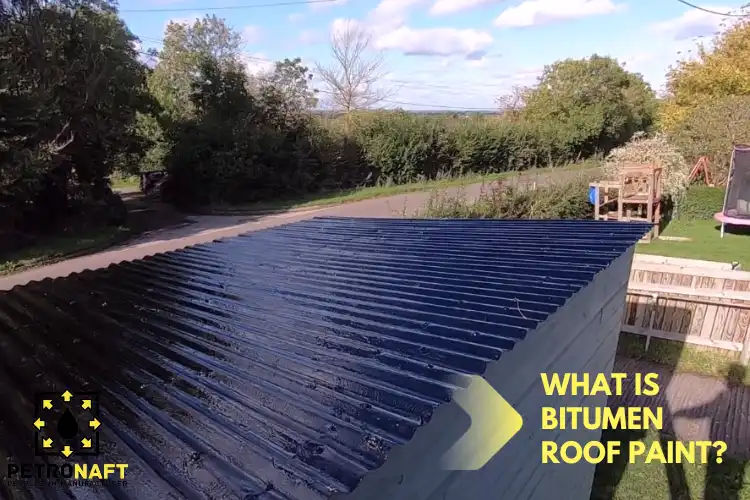
Bitumen roof paint, a highly regarded solution in the roofing industry, offers a blend of durability, cost-effectiveness, and adaptability. This guide delves into its composition, benefits, and the innovations shaping its future, providing a thorough understanding of its applications in various climates and roofing requirements.
Slack Wax vs Paraffin Wax
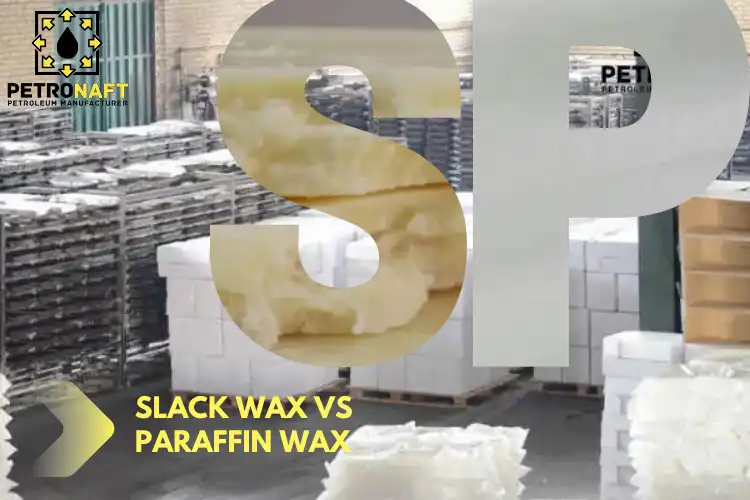
When it comes to slack wax vs paraffin wax, each holds a unique position in the industrial world. This article will provide a detailed comparison of their physical and chemical properties, production processes, and applications. While slack wax serves as a crucial component in lubricants and protective coatings, paraffin wax is indispensable in products requiring a stable and aesthetically pleasing wax. Understanding these differences is key to comprehending their respective roles and the intricate balance they maintain in various industrial and commercial settings.
What are the steps in laying bituminous concrete?

Discovering the steps in laying bituminous concrete is the cornerstone of achieving long-lasting and resilient pavements. This guide initiates our journey through the intricate process, starting from the fundamental base preparation to the final touches in paving. Understanding these steps ensures not only a successful application but also the longevity and durability of the pavement.
Standard Road Maintenance Routine Requirements
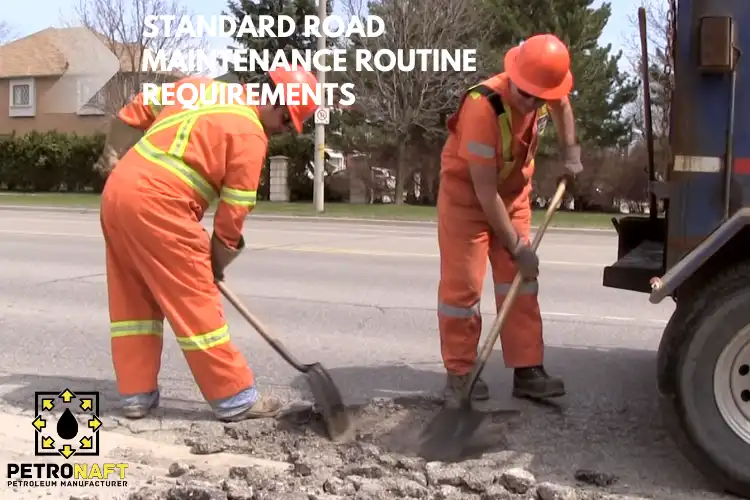
Understanding road maintenance routine requirements is vital for the sustainability of road infrastructure. This introductory section sets the stage for a detailed examination of the various components and practices that constitute effective road maintenance. From routine inspections to the application of innovative techniques, the following chapters will provide insights into the key elements that ensure road safety and longevity.
What is the difference between PE wax and OPE wax?
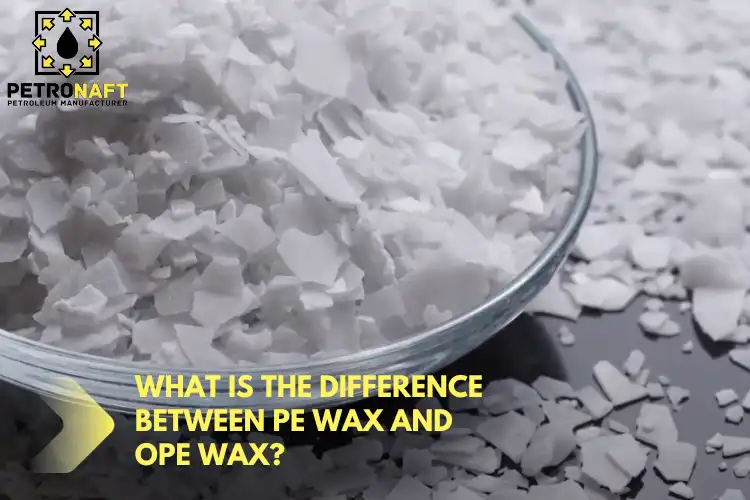
PE wax and OPE wax are integral components in numerous industrial sectors, each boasting unique properties that cater to specific needs. This article commences with an exploration of their chemical compositions, shedding light on how these waxes are more than just simple additives. By understanding their molecular structures, we unravel the complexities that make PE wax and OPE wax indispensable in modern manufacturing processes.
Sodium Hydroxide vs Potassium Hydroxide
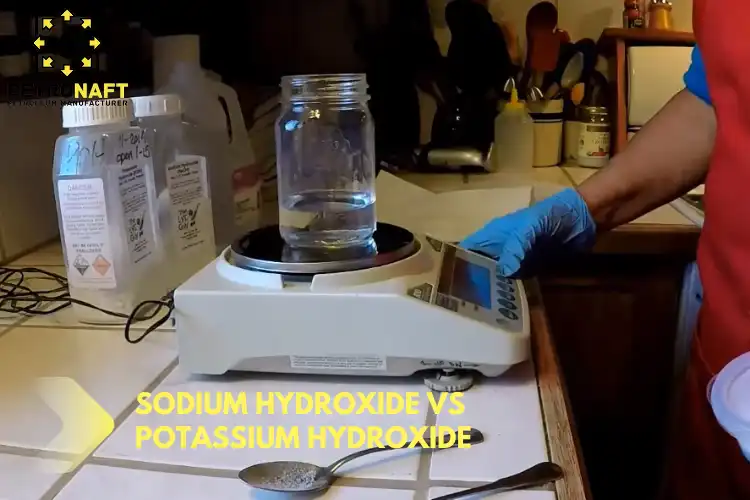
Understanding the nuances between sodium hydroxide and potassium hydroxide is essential for numerous industries and environmental practices. This article begins by dissecting their chemical compositions, exploring how each compound’s unique properties influence their specific applications and efficacy in various fields. From the production processes to their roles in sustainability, this comparison offers a deep insight into two of the most widely used chemical compounds.
What can Vaseline be replaced with?
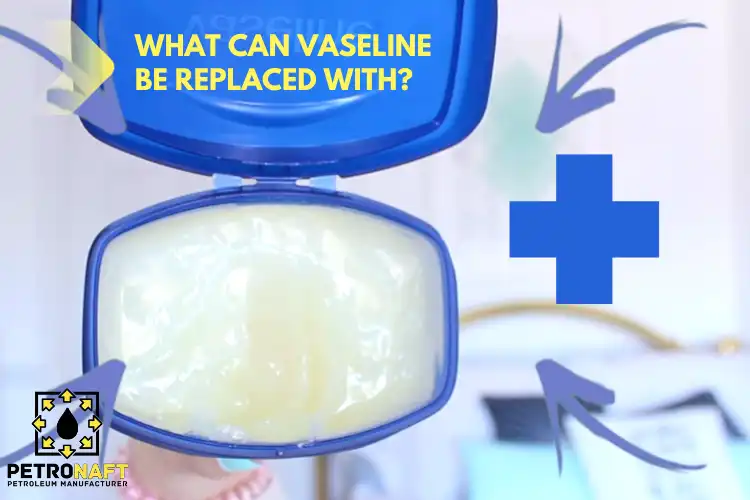
In the quest to understand how vaseline be replaced with innovative alternatives, this article embarks on a comprehensive exploration of the evolving world of skincare. From traditional uses of petroleum jelly to the latest innovations in eco-friendly and health-conscious alternatives, we uncover the multifaceted dimensions of skin health and environmental sustainability. This introduction sets the stage for a deeper dive into the technical, ethical, and practical aspects of Vaseline substitutes, highlighting their significance in today’s skincare landscape.
What is the effect of crumb rubber on asphalt?
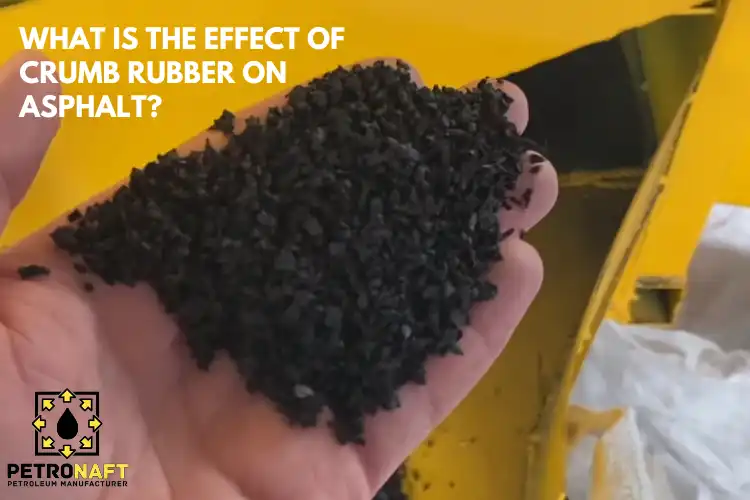
Understanding the effect of crumb rubber on asphalt is pivotal in the quest for more durable and sustainable road materials. This exploration begins by examining how crumb rubber, derived from recycled tires, is integrated into asphalt, enhancing its properties. As we delve into the technical, environmental, and economic impacts, it becomes clear that crumb rubber significantly improves asphalt’s performance, making roads safer, longer-lasting, and more environmentally friendly. This introductory analysis sets the stage for a deeper dive into the multifaceted benefits and considerations of this innovative material.
How do you identify VG 30 and VG 40?

In our quest to identify VG 30 and VG 40, we embark on a journey through the intricate world of bitumen technology. These viscosity grades are more than just numbers; they are key to constructing durable, safe, and cost-efficient roads. Understanding their distinct properties and applications sets the stage for a deep dive into their roles in modern infrastructure.