


Rapid-Curing Cutback Bitumen (RC): Uses & Benefits for Roads
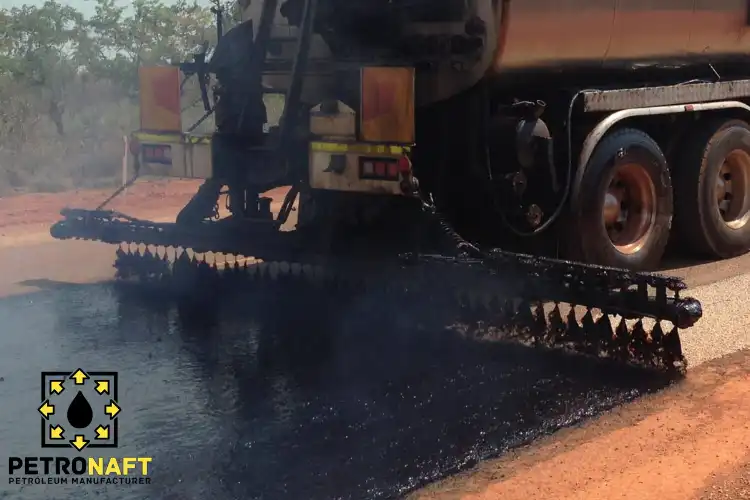
Rapid-Curing Cutback Bitumen is a fast-setting asphalt binder thinned with a highly volatile solvent, used mainly for surface treatments, patching, and some prime/tack applications where quick curing matters. This guide explains how RC grades differ, how to select and apply them in the field, what performance benefits to expect, and the safety and QC checks buyers should demand to meet road specs and minimize failures.
What Is Asphalt Made Of? Ingredients & Composition Explained
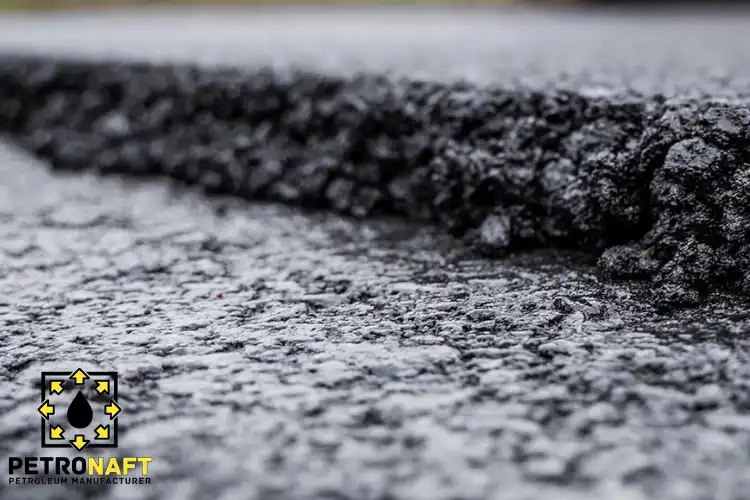
Asphalt Made Of mostly aggregates bonded with asphalt binder, but real performance depends on gradation, binder grade, additives, and compaction. This article breaks down each ingredient’s role, explains common mix types (from dense-graded to SMA and porous asphalt), and gives practical buyer-focused steps for selecting the right mix for driveways, parking lots, highways, and industrial yards—plus a simple checklist to avoid costly early failures.
Vaseline Ingredients Explained: What’s in Petroleum Jelly?
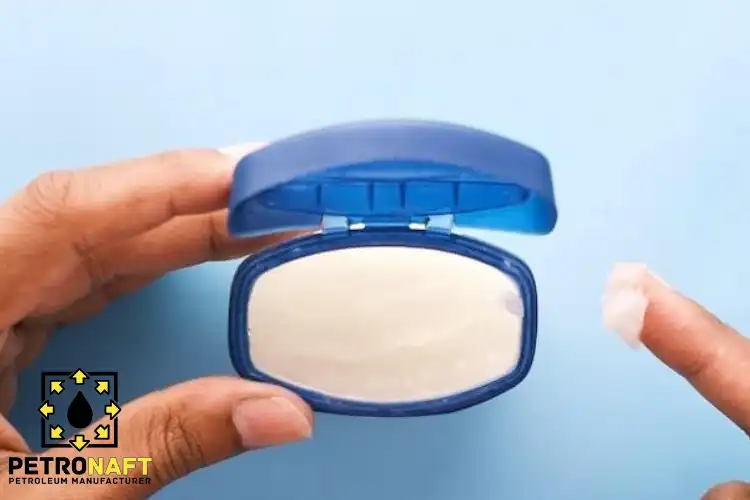
Vaseline Ingredients Explained breaks down what petroleum jelly (white petrolatum) really is, how modern purification removes problematic impurities, and why it’s one of the most effective occlusive barriers for dry, cracked skin. You’ll learn how to read labels, compare product types, avoid common mistakes, and apply it safely for lips, hands, and minor skin irritation—with a buyer-focused checklist at the end.
Bitumen Viscosity vs Temperature: Relationship & Chart
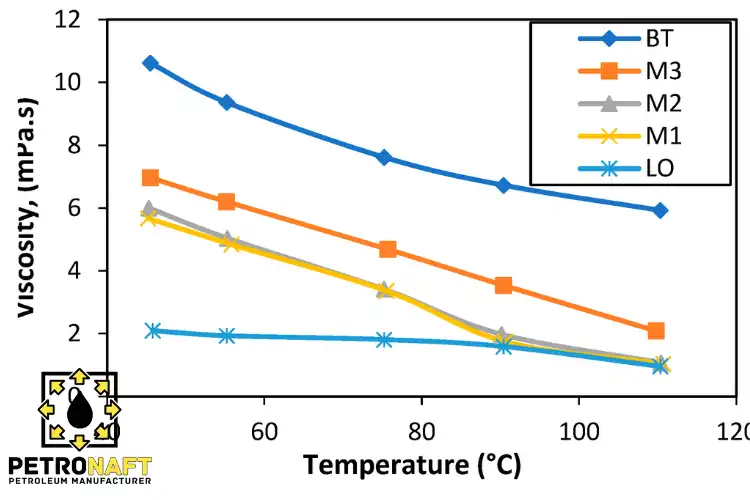
This guide explains Bitumen Viscosity vs Temperature with a ready-to-plot chart table, practical temperature targets for mixing and compaction, and real troubleshooting tips for pumping, storage, and paving. You’ll learn how to interpret viscosity units, estimate viscosity at different temperatures using simple field-friendly methods, and avoid common errors like overheating, premature cooling, and inconsistent workability across shipments.
Semi-Refined vs Fully Refined Paraffin Wax: Which to Choose?
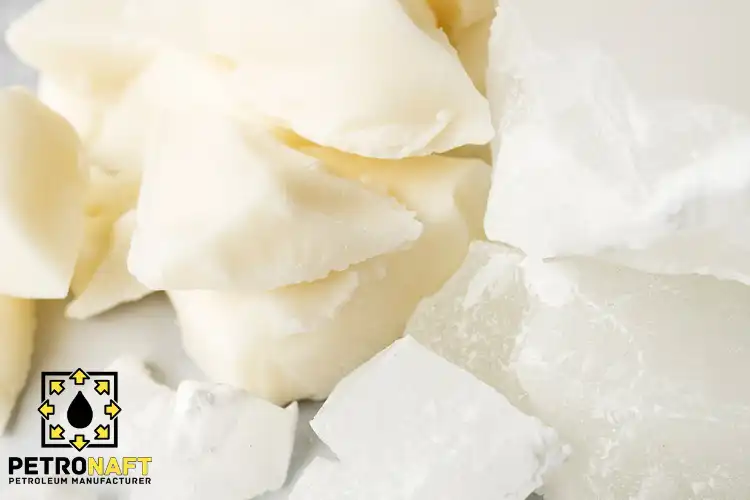
This guide explains how to choose between semi-refined and fully refined paraffin wax using real-world performance factors: oil content, odor, color, hardness, and compliance needs. You’ll see quick comparison tables, use-case recommendations, simple acceptance tests, and a procurement checklist for COA specs. If you buy, formulate, or produce with wax, Semi-Refined vs Fully Refined Paraffin Wax decisions will become faster and safer.
How Are Cutback Bitumen & Bitumen Emulsions Made?
This guide explains how Cutback Bitumen & Bitumen Emulsions Made in modern plants, from selecting base bitumen and cutter stocks to emulsifier choice, pH control, and colloid-mill mixing. You’ll learn typical production steps, quality tests, common troubleshooting fixes, and how to specify the right grade for prime coats, tack coats, chip seals, and slurry or micro-surfacing—so you can buy with confidence and avoid job-site failures.
ArtMinds Paraffin Wax: Uses, Benefits & Candle-Making Tips

This guide explains how to use ArtMinds Paraffin Wax for better-looking, better-performing candles and wax melts. You’ll learn where it shines, how to choose and test wicks, how to set fragrance levels without wasting batches, and how to fix common issues like tunneling, soot, and sinkholes. It’s written for hobbyists, small-batch makers, and anyone comparing wax options for reliable results.
Different Grades of Bitumen Explained: Types & Properties
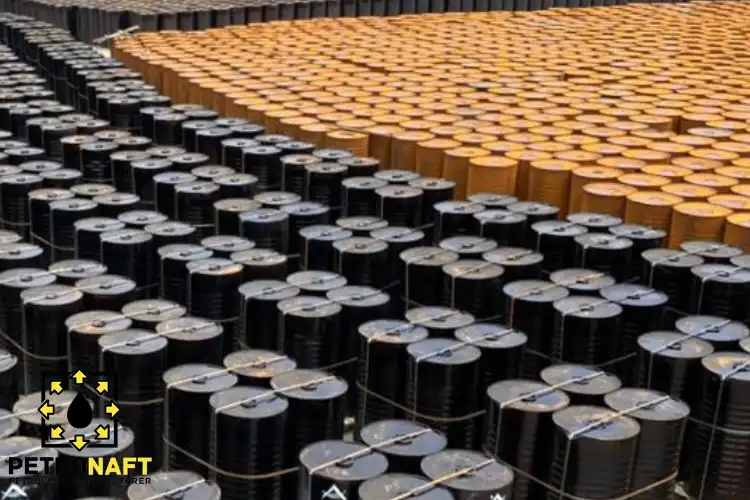
Different Grades of Bitumen vary by grading system—penetration, viscosity, and performance grade—each linking binder properties to climate, traffic, and application. This guide explains what the numbers mean, compares major binder families (including PMB, oxidized grades, emulsions), and provides a buyer-focused framework to choose the right grade using real examples, COA checks, and a practical end-of-article checklist.
Bitumen Paint Production: Formula, Process & Quality Control
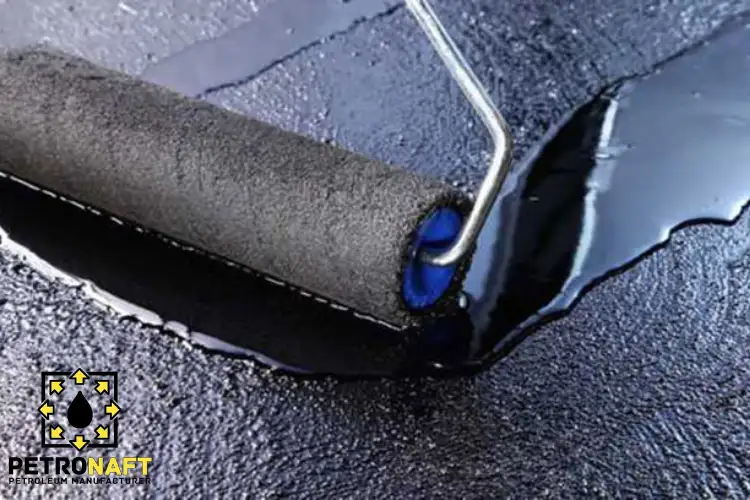
This guide explains Bitumen Paint Production from a manufacturer’s perspective: how to choose a suitable formula structure, run a repeatable mixing process, and build a quality control routine that prevents settling, grit, slow drying, and adhesion failures. You’ll also find practical troubleshooting, buyer-focused specification tips, and a final checklist you can use as a release gate before packaging and shipment.
Polymer Modified Asphalt Production: Process for Sustainable Roads
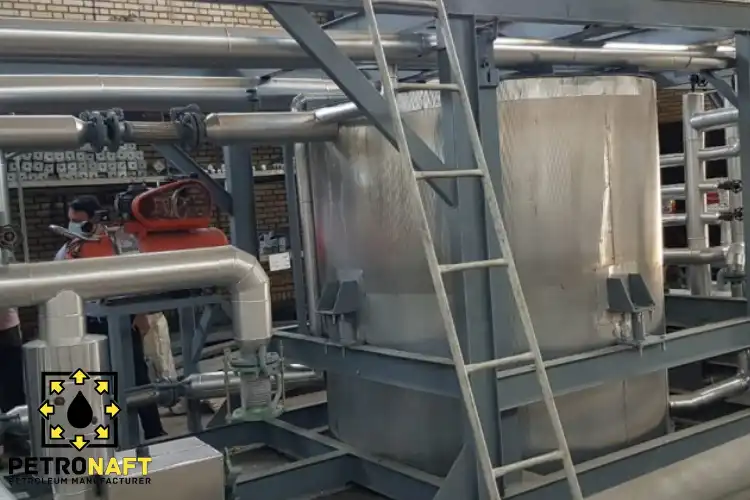
This guide explains how Polymer Modified Asphalt Production works—from selecting the base binder and polymer system to high-shear blending, storage stability, and field-focused quality control. You’ll see practical production setpoints, common troubleshooting fixes, and a buyer’s checklist for specifying PMA by performance (not marketing terms). Use it to compare solutions, reduce premature distress, and support longer-life, lower-maintenance road programs.
Does Vaseline Expire? Shelf Life, Warning Signs & Storage Tips
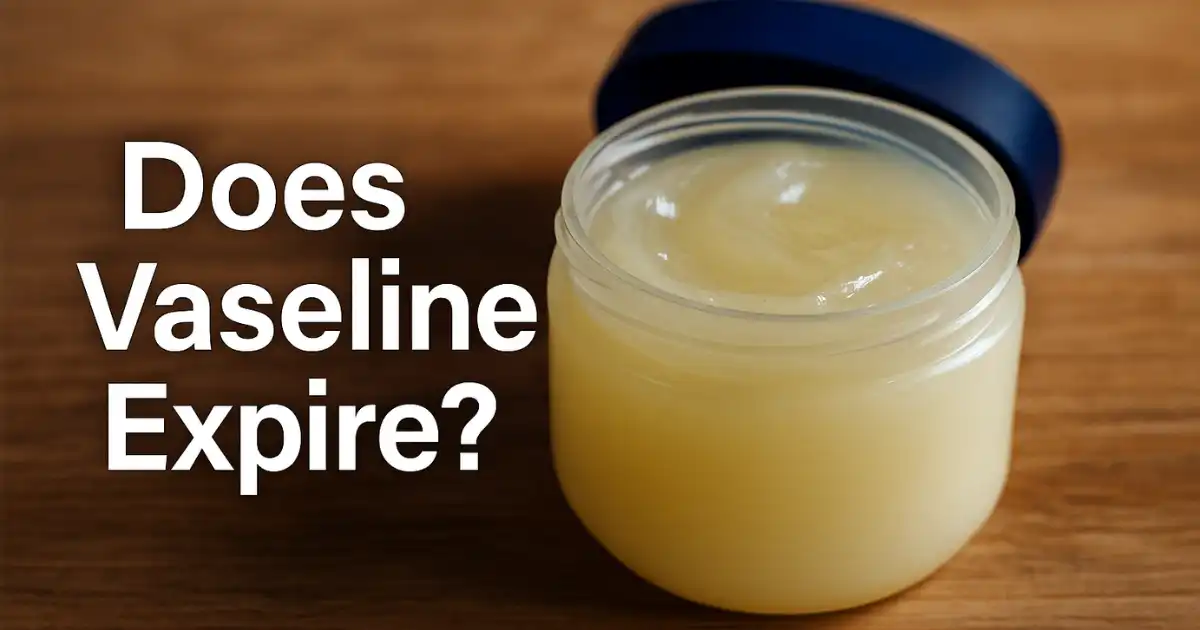
Does Vaseline Expire and how long is it safe to use? This guide explains what expiry labels, PAO symbols, and manufacturing codes really mean, plus the practical warning signs that signal it’s time to replace a jar or tube. You’ll also get storage best practices, contamination-proof usage tips, and buying advice for families, clinics, and workplaces that keep petroleum jelly on hand.
Paraffin Wax Procurement Guide: Bulk Sourcing & Supplier Checklist
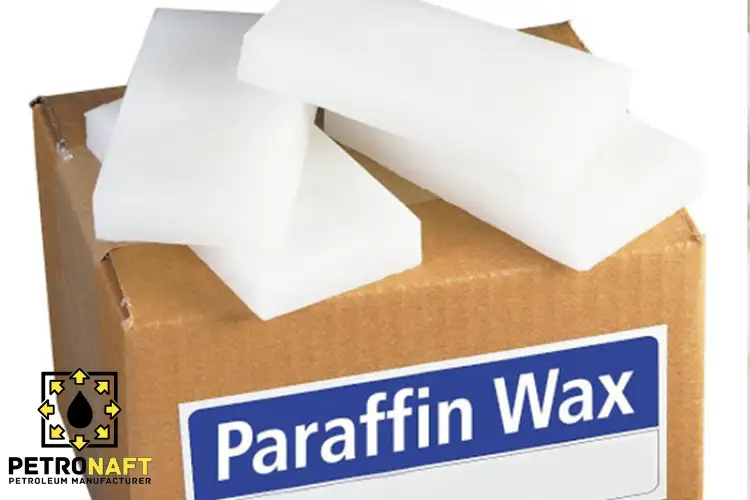
This guide explains how to run Paraffin Wax Procurement the right way: selecting the correct grade for your application, building a supplier shortlist, writing RFQs that prevent misunderstandings, and locking quality with measurable specs and incoming inspection steps. You’ll also learn practical contracting and logistics tips that reduce batch variability, minimize claims disputes, and help you scale bulk sourcing with confidence.