

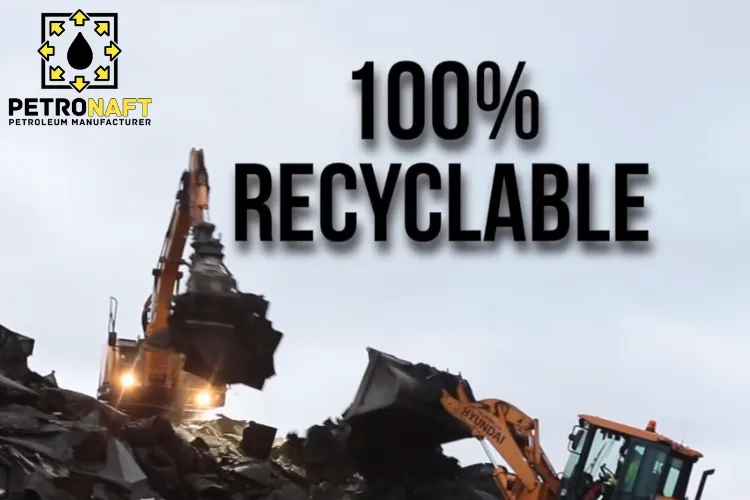
Bitumen Recycling turns reclaimed asphalt into new, performance-grade pavement by milling old layers, processing and testing the reclaimed material, then blending it with fresh aggregate and binder (or a rejuvenator) to hit a target mix design. Done right, it cuts cost, saves raw materials, and delivers durable roads with predictable quality.
Recycling only works when you control variability. The “secret” isn’t a fancy additive—it’s consistent feedstock, tight processing, and a mix design that matches your traffic and climate.
In this guide, you’ll learn:
- The exact step-by-step workflow used by high-performing producers
- Which recycling method fits each project type (surface, base, rehab)
- Practical QC checks that prevent cracking, rutting, and moisture damage
- Buyer-focused tips for specs, procurement, and supplier evaluation
Highlights & Key Sections
Bitumen Recycling: What It Is and Why It Works
Asphalt is mostly aggregate held together by bitumen (binder). Over time, binder ages and stiffens, but the aggregate remains valuable.
When you recycle asphalt, you reuse:
- Aggregate (largest cost and logistics driver)
- A portion of aged binder (still useful if managed correctly)
- Gradation “structure” (when milling and processing are controlled)
Here’s what typically changes during recycling (and why it matters):
| Component | What you reuse | What can go wrong | What you control |
|---|---|---|---|
| Aggregate | Most of it | Extra fines, weak gradation | Crushing, screening, fractionation |
| Aged binder | Part of it | Brittle mix, cracking risk | Binder selection, rejuvenation, blending |
| Moisture & contaminants | None (avoid) | Stripping, foaming, instability | Stockpile management, cleanliness |
Where Recycled Bitumen Materials Come From
Most recycling feedstock is Reclaimed Asphalt Pavement (RAP) from:
- Milling (top-down removal of asphalt layers)
- Full-depth removal (when a road is reconstructed)
- Plant returns (unsold mix, tested and reprocessed properly)
Keep RAP clean and consistent. Avoid or isolate:
- Material with soil, clay, or vegetation
- Loads mixed with concrete rubble
- Patches with tar-like sealants or unknown treatments
- Stockpiles blended “randomly” from different projects
A simple rule: if the feedstock is unpredictable, the mix design will be unpredictable.
The Step-by-Step Bitumen Recycling Process
Below is the process used on most professional recycling projects (plant recycling and in-place recycling share the same logic: characterize → control → design → produce → verify).
Process overview
| Step | What you do | Output you need |
|---|---|---|
| 1) Mill & segregate | Separate by layer/type | Cleaner, more uniform RAP |
| 2) Stockpile correctly | Keep dry, covered, and labeled | Stable moisture and gradation |
| 3) Crush & screen | Break clumps, control fines | Consistent gradation, fewer lumps |
| 4) Sample & test | Measure binder %, gradation, moisture | Reliable inputs for mix design |
| 5) Decide recycling method | Plant vs in-place, hot vs cold | Best-fit technique and specs |
| 6) Create mix design | Balance stiffness + cracking resistance | Target volumetrics + performance |
| 7) Produce at plant/in place | Control temperatures and blending | Uniform mix, no overheating |
| 8) Pave & compact | Match rolling to temperature window | Density and durability |
| 9) QA/QC verify | Track results and adjust | Stable production and acceptance |
Step 1) Milling and segregation
Aim to mill in a way that keeps materials “like with like.”
- Mill surface and base separately when possible
- Keep polymer-modified sections separate from conventional sections
- Record each source area so you can trace problems fast
Practical tip: If you can’t segregate by layer, at least segregate by road class and age. That alone reduces surprises.
Step 2) Stockpile management
Most recycling headaches start in the stockpile.
Do this:
- Build stockpiles on a clean, paved pad (or compacted, lined base)
- Shape piles to shed water and prevent ponding
- Keep the pile face tight; avoid “dozer mixing” everything together
- Label piles by source, date, and type
Avoid this:
- Storing RAP where trucks drag in soil
- Mixing wet RAP into dry RAP “to average it out”
- Leaving piles exposed through rainy seasons without a plan
Mini tutorial: quick moisture control
- If RAP moisture rises, your plant spends energy drying it, and your mix can become inconsistent.
- In practice, tighter moisture control often improves both mix uniformity and production stability.
Step 3) Crushing, screening, and fractionation
Processing has one goal: make RAP behave like a predictable aggregate source.
Common best practices:
- Use gentle crushing to break clumps without generating excess fines
- Screen into at least two fractions (coarse and fine RAP)
- Keep fine RAP under tighter control because it carries more binder and affects workability
Why fractionation matters
- Fine RAP tends to be binder-rich and can over-stiffen the mix if uncontrolled.
- Coarse RAP helps maintain structure without overloading binder replacement.
Step 4) Sampling and testing (what actually matters)
At minimum, test RAP for:
- Gradation
- Binder content
- Moisture
- Basic binder stiffness indicator (as part of the mix design workflow)
Sampling should represent the whole pile, not the easy-to-reach face.
- Pull multiple increments from different pile locations and depths
- Combine and split to a representative sample
Hands-on insight: If your gradation swings more than your spec tolerance, don’t “fix it in the mix.” Fix it in processing and stockpiles first.
Step 5) Choose the recycling pathway
You have two main routes:
- Central plant recycling (you produce recycled mix in an asphalt plant)
- In-place recycling (you recycle on the road)
Central plant recycling offers tighter consistency. In-place recycling can reduce hauling and speed up rehabilitation—if the pavement structure suits it.
Step 6) Mix design (where durability is won)
Recycled mix design is about balance:
- Too stiff → cracking risk
- Too soft → rutting risk
- Too wet/dirty → moisture damage and stripping
Key levers you control:
- RAP percentage (by mass)
- Binder grade and dosage (virgin binder)
- Rejuvenator selection and dosage (if used)
- Aggregate blend and gradation targets
- Production temperature and mixing time
Mini tutorial: binder replacement ratio (simple way to think)
- The more binder you “bring in” via RAP, the more you must manage stiffness.
- Example (illustrative): if RAP is 5% binder and you add 30% RAP, you introduce about 1.5% binder from RAP into the total blend. That influences how much fresh binder you need and which grade performs best.
Step 7) Production controls (plant or train)
Common production risks:
- Overheating RAP → burns binder, increases fumes, damages performance
- Underheating → poor coating, poor compaction
- Poor blending → “pockets” of stiff RAP that act like stones
Production habits that help:
- Keep RAP feed steady (avoid surging)
- Monitor mix temperature at consistent points
- Control mixing time so you coat evenly without cooking the binder
Step 8) Paving and compaction
Recycled mixes often have a narrower “sweet spot” temperature window.
Field practices that protect performance:
- Coordinate trucks so the paver never runs “cold”
- Compact early enough to hit density before the mix stiffens
- Use rolling patterns that match mat thickness and ambient conditions
Real-world note: Many “recycled mix failures” are actually density failures. If density is low, moisture damage and early cracking follow fast.
Step 9) QA/QC and adjustments
High-performing teams track:
- RAP properties (daily/weekly, depending on variability)
- Mix volumetrics and performance indicators
- Density results by lot and location
Then they do something critical: they adjust quickly.
- If fines increase, they tune screening or adjust blend
- If cracking risk rises, they revisit binder grade or rejuvenator dosage
- If moisture damage signals appear, they tighten moisture control and anti-strip strategy
Recycling Methods Compared (And When Each Wins)
| Method | Best for | Typical advantages | Watch-outs |
|---|---|---|---|
| Plant recycling (hot mix) | Most projects | Strong consistency, broad specs | RAP overheating, variability |
| Warm-mix with RAP | Urban work, sustainability targets | Lower temps, easier compaction | Needs tight QC at high RAP |
| Cold in-place recycling | Distressed roads, base rehab | Less hauling, fast rehab | Needs structure check + curing |
| Full-depth reclamation | Deep failures | Rebuilds base efficiently | Requires careful design, moisture control |
| Hot in-place recycling | Surface corrections | Minimal material import | Not ideal for structural problems |
Managing RAP Variability and Aged Binder
If you want higher recycled content without performance surprises, focus on these controls:
1) Control fines
- Excess fines stiffen the mix and reduce durability.
- Processing and screening matter more than “tweaking binder.”
2) Separate feedstocks
- Keep different road sources separate when possible.
- Use fractionated RAP to stabilize day-to-day production.
3) Use a performance mindset
- Don’t rely only on “old-school” volumetrics.
- Confirm cracking resistance and rutting resistance based on your project risk.
4) Treat rejuvenators like ingredients, not magic
- Rejuvenators can improve cracking resistance, but the wrong dosage can raise aging susceptibility or reduce rutting resistance.
- Validate with mix testing, not only binder tests.
Quality Control Checks That Prevent Expensive Failures
| QC focus | What it protects | Fast indicator to watch |
|---|---|---|
| RAP gradation & fines | Cracking, workability | Sieve results, dust proportion |
| RAP binder content | Consistency, cost | Binder % drift over time |
| RAP moisture | Foaming, coating, energy use | Moisture trend (daily) |
| Mix uniformity | Segregation, weak spots | Visual + core variability |
| Density | Durability, moisture damage | Core density/air void trends |
| Moisture sensitivity | Stripping, early ravelling | Conditioning/performance check |
| Rutting & cracking balance | Long-term performance | Performance screening tests |
Practical buyer tip: Ask bidders how often they test RAP and what triggers a mix adjustment. A good supplier will have a clear rule set.
Cost, Sustainability, and Procurement: What Buyers Should Know
Recycling can reduce project cost, but savings depend on logistics and consistency. The biggest cost drivers are usually:
- Hauling distances (RAP and virgin aggregate)
- Plant capability and setup (fractionation, dedicated bins)
- Testing and QC frequency
- Binder strategy (grade selection, additives, rejuvenator)
Procurement table: what you can specify without overcomplicating
| If you care most about… | Put this in the spec | Why it helps |
|---|---|---|
| Consistency | Fractionated RAP or controlled stockpiles | Reduces variability |
| Cracking resistance | Performance-based acceptance checks | Avoids brittle mixes |
| Rutting resistance | Layer-appropriate limits and verification | Protects high-traffic sections |
| Sustainability reporting | Require mix-level documentation | Supports embodied carbon goals |
| Long life | Density targets + pay factors | Locks in durability |
Commercial reality: The lowest bid isn’t the best value if it skips processing, testing, and density control. Those are the exact steps that protect lifespan.
Common Problems in Recycled Asphalt and How to Fix Them
| Symptom | Likely cause | Practical fix |
|---|---|---|
| Early cracking | Mix too stiff, high fines, poor blending | Reduce fine RAP, adjust binder strategy, validate with performance checks |
| Rutting | Binder too soft or overdosed rejuvenator | Rebalance binder/additive plan, confirm rut resistance |
| Ravelling | Low density, poor coating, moisture sensitivity | Improve compaction window, tighten moisture control, refine anti-strip plan |
| Segregation | Poor handling, uneven feed | Stabilize plant feed, improve paving logistics |
| Inconsistent test results | Non-representative sampling | Improve sampling plan and stockpile management |
Trends Shaping Recycling in 2026 and Beyond
Two changes are driving better outcomes—and tougher expectations:
- Higher recycled content with performance assurance: Agencies and buyers want more recycling, but they also demand proof against cracking. That pushes the industry toward better fractionation, smarter binder strategies, and faster feedback loops.
- Lower-temperature production and carbon reporting: Warm-mix technologies and mix-level documentation are becoming normal in competitive bids, especially where embodied carbon targets or environmental product declarations influence procurement.
These trends reward teams that treat recycling as an engineered system, not a “percentage game.”
Conclusion
The best results come from controlling inputs and verifying outputs: clean feedstock, stable stockpiles, fractionated processing, mix designs that balance cracking and rutting, and field compaction that hits density consistently. When you approach Bitumen Recycling as a disciplined workflow, you get predictable quality, strong economics, and pavements that last.
Executive Summary Checklist (Use This Before You Approve a Recycling Plan)
Feedstock & processing
- RAP sources segregated (by layer/type when possible)
- Stockpiles stored on clean base, labeled, moisture-managed
- Crushing and screening configured to limit excess fines
- Fractionated RAP available (coarse/fine) if variability is high
Design & verification
- Representative sampling plan defined
- RAP gradation, binder content, and moisture tested routinely
- Mix design balances rutting and cracking risks for the layer
- Rejuvenator (if used) validated by mixture performance checks
Production & paving
- RAP temperature and blending strategy prevents overheating
- Plant feed is steady; variability triggers defined adjustments
- Paving logistics protect temperature window
- Compaction plan is built around achieving target density
FAQ
1) Can recycled asphalt perform as well as virgin asphalt?
Yes—when feedstock is consistent and the mix design balances stiffness and cracking resistance. Performance problems usually come from variability, excess fines, or poor density, not from recycling itself.
2) How much RAP can a typical mix contain?
It depends on layer type, traffic level, climate, and plant capability. Base layers often tolerate higher recycled content than surface layers, but the best practice is to validate with mixture testing rather than relying on a fixed percentage.
3) Do rejuvenators always improve recycled mixes?
Not always. They can improve flexibility and cracking resistance, but dosage and product choice matter. Overuse can reduce rutting resistance or change aging behavior, so you should verify performance with mixture-level testing.
4) What is the biggest field risk with recycled mixes?
Low density. If the mat isn’t compacted properly within the workable temperature window, durability drops fast and moisture damage risk rises—even if the mix design is solid.
5) How can I compare suppliers for a recycled asphalt project?
Ask about their stockpile management, fractionation capability, RAP testing frequency, adjustment rules, and density control plan. A supplier who can explain their controls clearly is usually the safer choice.
Sources
- Federal Highway Administration guide explaining RAP processing, fractionation, and key engineering properties — https://www.fhwa.dot.gov/publications/research/infrastructure/structures/97148/rap132.cfm
- North American annual survey quantifying RAP usage, average RAP percentages, and warm-mix adoption — https://40089522.fs1.hubspotusercontent-na1.net/hubfs/40089522/IS138-2023_RAP-RAS-WMA_Survey.pdf
- Industry report summarizing barriers and categories for higher RAP usage, including sustainability impacts — https://www.asphaltpavement.org/uploads/documents/EngineeringPubs/SR-229_Barriers_to_Higher_RAP_Usage_NAPA_06-2024.pdf
- European asphalt industry figures summarizing production and recycling-related indicators for 2024 — https://eapa.org/asphalt-in-figures/
- Transportation research report reviewing rejuvenator effects and practical considerations for recycled asphalt mixes — https://rosap.ntl.bts.gov/view/dot/72479/dot_72479_DS1.pdf