
Category: Article

View of a large roundabout on a highway, constructed using High-Quality Bitumen 60/70
Article

High-Quality Bitumen 60/70: How to Identify & Test It

This guide explains how to verify High-Quality Bitumen 60/70 using practical on-site inspection, clean sampling steps, and a focused set of lab tests. You’ll learn which documents matter, how to spot contamination or overheating, what a balanced test profile looks like, and how to reduce supply risk with simple procurement controls. Finish with an executive checklist you can use for every shipment.
Read More »
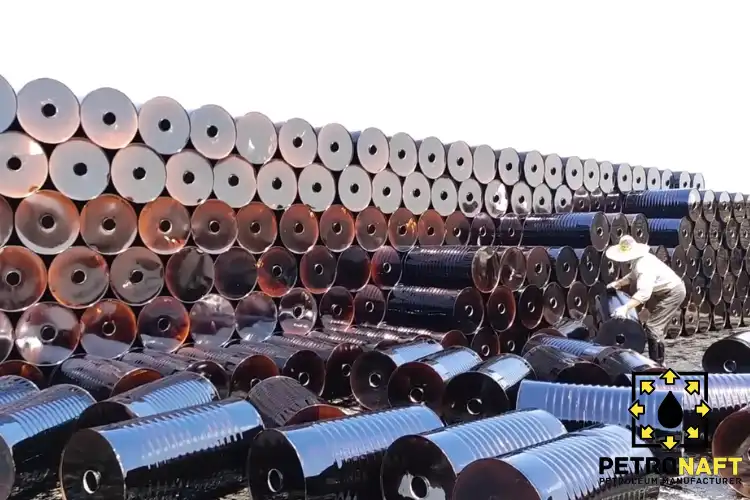
Ready-to-fill bitumen barrels, illustrating Bitumen 60/70 vs Bitumen 80/100 usage
Article

Bitumen 60/70 vs 80/100: Key Differences, Uses & Specs

This guide compares Bitumen 60/70 vs 80/100 in plain language, then goes deeper with spec-focused tables, climate and traffic recommendations, and real-world selection examples. You’ll learn what the penetration numbers mean, how to read a supplier COA, and how to avoid common paving failures like rutting, bleeding, or low-temperature cracking. It ends with a buyer-ready checklist you can use before placing an order.

Read More »
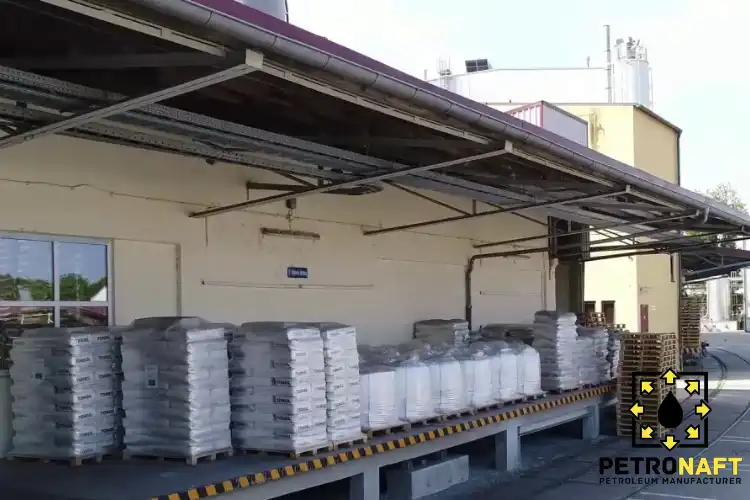
Stacked pallets of Caustic Soda bags on factory platform, ready for loading, showcasing Caustic Soda price.
Article

Caustic Soda Price

The Caustic Soda Price often seems like an enigma, with its fluctuations and varying trends. However, understanding its dynamics is essential to make informed business decisions and thrive in the industry.

Read More »
Drilling device in operation, utilizing Bentonite for drilling wells
Article

Bentonite for Drilling Wells: How to Mix & Use in Drilling Mud

This guide shows how to mix, hydrate, and tune drilling mud for cleaner holes and fewer problems. You’ll learn how to choose the right Bentonite for Drilling Wells, condition water, use simple field tests like funnel viscosity and mud weight, and fix common issues such as thickening, poor cuttings transport, or excessive fluid loss. Practical recipes, tables, and a final checklist make it easy to apply on site.

Read More »
Premium-grade barrel of Petroleum Jelly illustrating Iran Petroleum Jelly Price
Article

Iran Petroleum Jelly Price

This section delves into the intricate dynamics of Iran petroleum jelly price, aiming to unravel the key factors, trends, and analysis surrounding this market. By closely examining the supply and demand forces, regulatory influences, production costs, and global benchmarks, we gain valuable insights into the determinants of Iran petroleum jelly price. With a comprehensive understanding of these dynamics, stakeholders can make informed decisions, develop effective pricing strategies, and navigate the competitive landscape with confidence.

Read More »
Chemical factory depicting the use of Caustic Soda in Chemical Industries
Article

Caustic Soda (Sodium Hydroxide) Uses in Chemical Industry

Caustic soda (sodium hydroxide) is the workhorse alkali behind neutralization, purification, and cleaning across chemical production. This guide explains Caustic Soda Uses in Chemical Industry, with practical examples from chlor-alkali, pulp and paper, alumina refining, detergents, and wastewater treatment. You’ll also learn how to choose flakes vs 50% liquid, write a purchase specification, and apply essential handling and storage safety.

Read More »
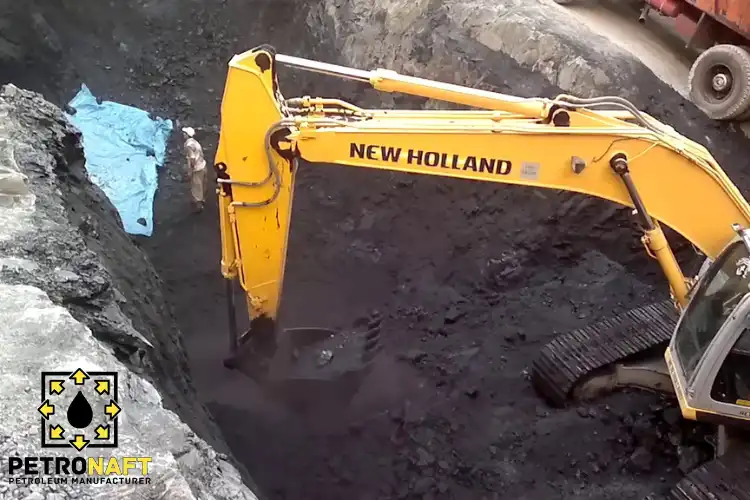
Mining operation of high-quality Gilsonite with mechanical digger at work.
Article

How to Identify High-Quality Gilsonite: Grades & Specs

High-Quality Gilsonite affects drilling-fluid control, asphalt durability, and ink dispersion—so quality verification matters. This guide explains the grades buyers see in the market, the specs that prove performance (softening point, ash, moisture, solubility, particle size), and simple checks you can do before you approve a shipment. You’ll also get a supplier-comparison framework and an end-of-article acceptance checklist for purchasing and QC teams.

Read More »
Adhesive manufacturing plant utilizing Fully Refined Paraffin Wax in production
Article

Fully Refined Paraffin Wax in Adhesive Manufacturing: Benefits

This guide explains how Fully Refined Paraffin Wax in Adhesive Manufacturing helps formulators control melt viscosity, open time, and set speed while keeping odor and color consistent. You’ll learn where it fits best (packaging, bookbinding, woodworking), how to select the right grade by measurable properties, how to blend it safely, and how to troubleshoot common issues like stringing, haze, and brittle bonds—ending with a practical checklist.

Read More »
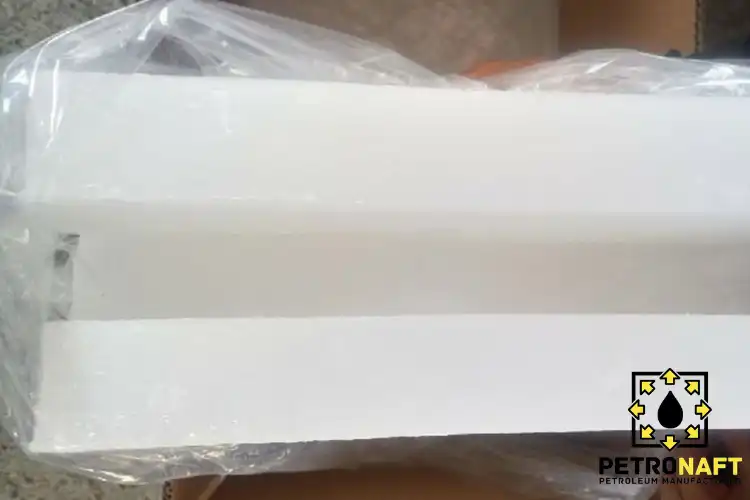
Slabs of Paraffin Wax illustrating Iran Paraffin Wax Price
Article

Iran Paraffin Wax Price

Iran paraffin wax price is shaped by a confluence of factors, both domestic and international. This piece serves as a comprehensive guide, walking you through these influential factors, their impacts, and how they intertwine to shape the market dynamics.

Read More »
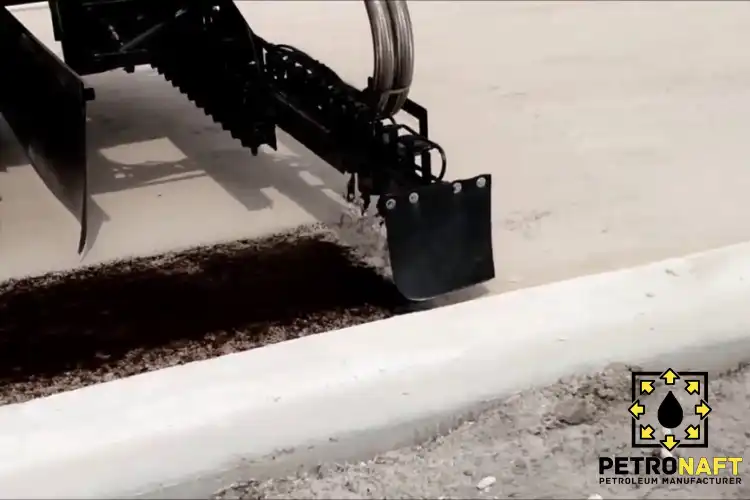
Asphalt laying machine in action, demonstrating the use of Cutback Bitumen versus Other Asphalt
Article

Cutback Bitumen vs Asphalt Types: Pros, Cons & Best Uses

Cutback Bitumen vs Asphalt Types explains how solvent-cut binders (RC/MC/SC) compare with hot mix, warm mix, and emulsions for priming, patching, and sealing. Get practical selection rules, performance and safety trade-offs, climate guidance, common failure fixes, and a supplier-ready checklist so contractors and buyers choose the right binder with confidence.

Read More »
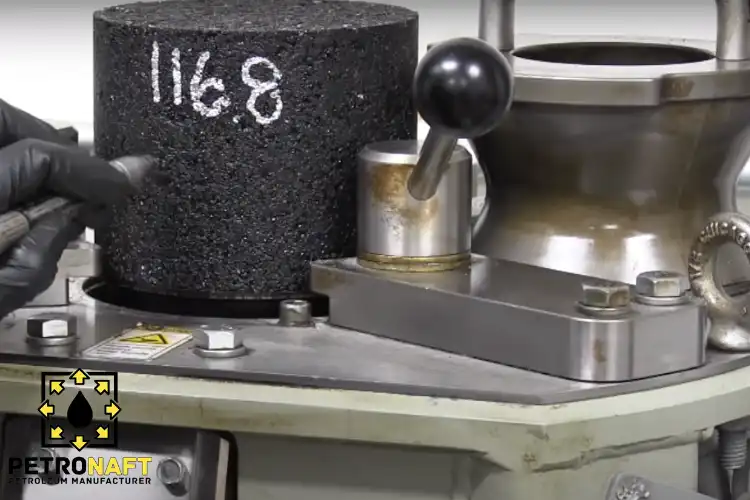
Bitumen VG vs PG testing in a laboratory setting.
Article

Bitumen VG vs PG: Viscosity vs Performance Grades Explained

This guide breaks down how viscosity-graded (VG) and performance-graded (PG) bitumen systems work, why they differ, and when each spec is the smarter buy. Using Bitumen VG vs PG comparisons, simple selection steps, and real project scenarios, you’ll learn how climate, traffic, aging, and modification affect binder choice—plus what to request in lab tests and supplier documentation to avoid costly paving failures.

Read More »
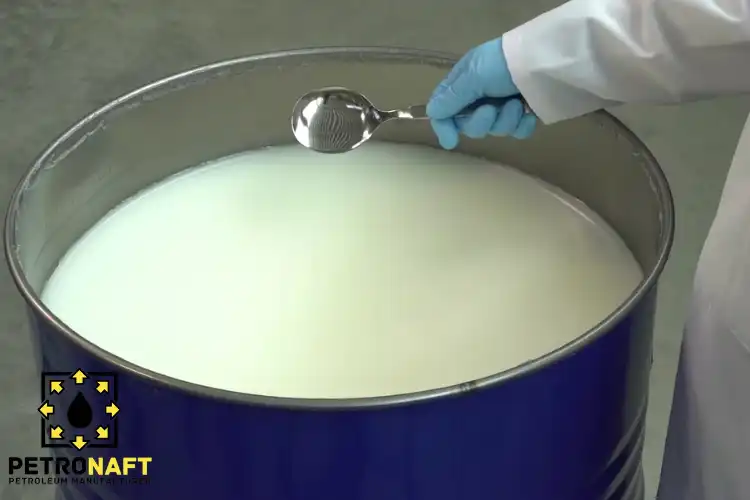
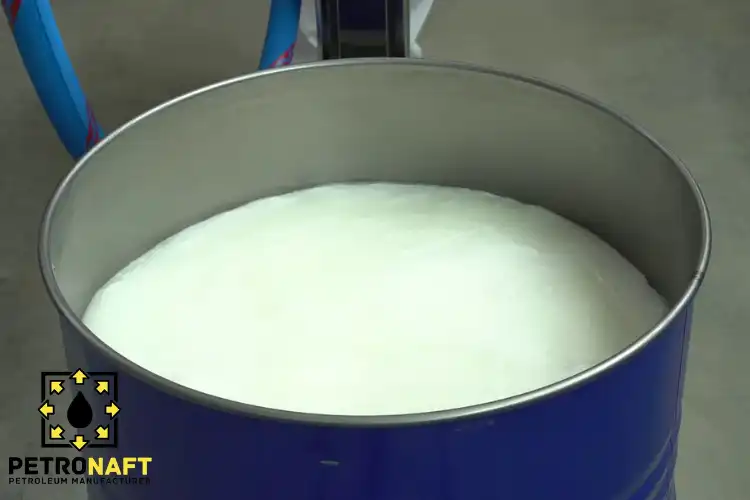
Barrel of high-quality petroleum jelly.
Article

How to Identify High-Quality Petroleum Jelly: Purity, Safety & Grade

This guide shows how to identify High-Quality Petroleum Jelly by combining fast sensory checks with supplier proof: grade selection, COA review, impurity controls, and stability screening. You’ll learn what “high quality” really means, how to avoid common red flags like odor and oil sweating, and which specs matter most for cosmetics, pharma, and industrial use—ending with a practical checklist for confident purchasing.

Read More »