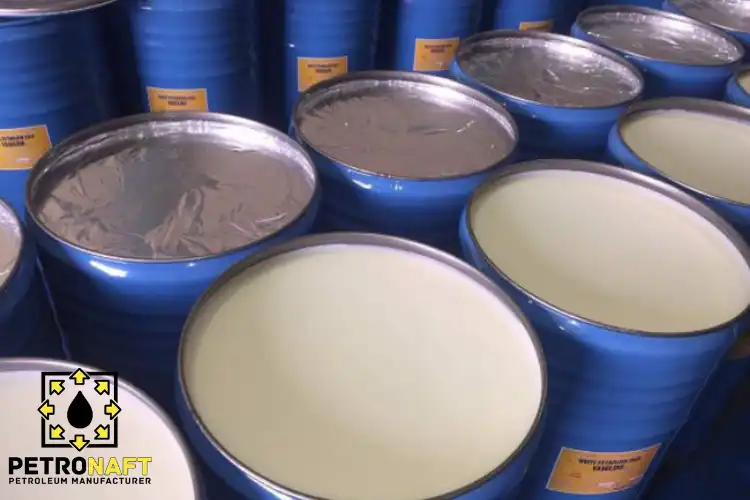
The best Petroleum Jelly Suppliers are the ones that consistently deliver the exact grade you need (USP/Ph. Eur. or technical), back every lot with a complete COA/SDS, and ship on time with stable packaging. Below you’ll find the leading global players—including Petro Naft—plus a practical framework to shortlist, test, and buy with confidence.
Highlights & Key Sections
Why buyers search “top suppliers” (and what they actually need)
Petroleum jelly (also called petrolatum, white petrolatum, or soft paraffin in some markets) looks simple—but buyer requirements rarely are. A cosmetic brand may care about texture and sensory feel, while a pharma packer cares about pharmacopeia compliance and documentation, and an industrial user cares about consistency, cost-in-use, and shipping reliability.
Use this guide to:
Shortlist suppliers by application fit (pharma, cosmetic, industrial)
Avoid common procurement mistakes (wrong grade, weak documentation, inconsistent lots)
Build an RFQ that gets fast, comparable quotations
What “good supply” means in real procurement
A supplier can be famous and still be a poor fit for your specific spec. In practice, “best” means repeatability + proof + logistics.
Supplier quality signals that matter most
What to verify
Why it matters
What “good” looks like
Grade match (USP/Ph. Eur./BP/JP vs technical)
Prevents reformulation, audit issues, claim risk
Clear grade labeling + aligned test methods
Lot-to-lot consistency
Stops texture drift, fill issues, returns
Tight penetration/viscosity and melting range control
COA + SDS quality
Speeds approvals, reduces compliance risk
Full test list, limits, methods, and traceability
Impurity control (e.g., odor, color, aromatics)
Impacts stability, safety perception, and regulatory scrutiny
Defined limits + clean processing + stable sensory profile
Step 3: Lock your acceptance criteria
For reliable repeat orders, write tolerances for:
Consistency (often expressed as penetration/needle penetration)
Drop/melting behavior (range, not a single number)
Color (especially for “white” grades)
Odor and sensory notes (yes—write it down)
Packaging (drums/cartons, liners, palletizing)
Petroleum Jelly Suppliers: Top Global Players and What They Do
Below are widely recognized suppliers and channels that buyers commonly shortlist worldwide. (Availability and specific grades vary by region and distributor networks.)
Quick comparison table (who they fit best)
Company / Channel
Typical role
Best fit for buyers who need
Practical note
Unilever (Vaseline)
Finished consumer brand & manufacturer
Retail-ready finished petroleum jelly products
Strong global consumer presence; not the same as bulk industrial supply
Sonneborn (HF Sinclair brand)
Specialty manufacturer
High-purity petrolatums & white oils for pharma/personal care
Known for controlled purity and specialty streams
Sasol (Wax division)
Manufacturer
Petroleum jellies and wax-linked specialties
Often accessed via regional distribution partners
Calumet Specialty Products
Specialty manufacturer
Petrolatums for personal care, pharma, and industrial uses
Offers product families and customization options
H&R Group (Hansen & Rosenthal)
Specialty manufacturer
Petroleum jellies & white oils with strong EU presence
Often selected for European supply and documentation expectations
Simplified importation and regional compliance handling
One supplier for multiple ingredients
For many buyers, the “best supplier” is a distributor that reliably brings the right manufacturer’s grade to their door.
Where Petro Naft fits in a global sourcing shortlist
If your priority is export-ready bulk supply, Petro Naft typically fits buyers who want a supplier that can align product grade, packaging, and paperwork to the destination market.
What buyers usually ask Petro Naft for:
Bulk petroleum jelly for industrial and commercial applications
Clear spec alignment (consistency/penetration, drop point/melting behavior, color, odor)
Packaging options such as drums, cartons, or customized packing, depending on grade and destination
Example scenario (how buyers reduce risk in one purchase cycle)
A mid-size cosmetics manufacturer needs a “white” grade for balms and barrier creams but keeps seeing texture drift after shipping.
A practical approach:
Request two close grades (e.g., slightly firmer vs slightly softer) in sample size
Run a simple in-house check:
Warm/cool cycle (simulate summer transport)
Visual color check in thin film
Odor check after warming
Stability check in the final formula for 7–14 days
Lock the winning grade into an RFQ with measurable tolerances and a retention-sample agreement
This process typically prevents the most expensive outcome: approving a grade that “looks fine” but fails once you scale.
Common tests buyers use (and what each one prevents)
Test / property
What it protects you from
Who cares most
Penetration / consistency
Too runny or too stiff texture; fill problems
Cosmetics, pharma, industrial
Drop point / melting behavior
Hot-weather bleed, separation, transport failures
All, especially exports
Color (especially for “white” grades)
Off-white appearance; brand complaints
Personal care, pharma
Odor (cold and warmed)
Consumer rejection; formulation masking costs
Personal care
UV/absorbance style checks (where used)
Unexpected aromatic content concerns
Regulated products
Micro/clean handling expectations
Contamination risk, audit findings
Pharma/medical
Two trends affecting petroleum jelly buying right now
Tighter scrutiny on mineral oil impurities in sensitive applications: Buyers increasingly demand clearer impurity controls, cleaner processing narratives, and stronger documentation—especially for personal care and regulated uses.
Standard alignment and harmonization pressure: More buyers want grades that map cleanly across USP/Ph. Eur./other pharmacopeia expectations to simplify multi-market product launches.
Mini tutorial: write an RFQ that gets better prices and fewer surprises
Copy this structure into your RFQ so suppliers quote the same target:
End use: (cosmetic balm / pharma ointment base / cable filling / polishing compound)
Grade requirement: (pharmacopeia-grade or technical; target region requirements)
Key specs:
Consistency (target + tolerance)
Drop/melting behavior (target range)
Color expectation
Odor expectation
Order size: trial + monthly/quarterly forecast
Packaging: drum/carton, liner requirement, pallet type
Documents: COA, SDS, allergen/GMO statement if needed, compliance statements as needed
Logistics: Incoterms, destination port, lead time expectation
Executive Summary checklist (use this before you place the first PO)
Confirm whether you need finished consumer product or bulk raw material
Request a sample plan that simulates your real storage and transport conditions
Require a complete COA/SDS and traceability basics
Lock packaging requirements to prevent contamination/leaks
Choose the right channel: direct manufacturer vs distributor vs exporter partner
Keep a retention sample per lot for faster troubleshooting
FAQ
1) What’s the difference between petroleum jelly and white petrolatum?
Petroleum jelly is a general term often used for petrolatum products. “White petrolatum” typically indicates a more refined, lighter-colored grade, frequently used where appearance and purity expectations are higher.
2) Do I need USP/Ph. Eur. grade for cosmetics?
Not always. Many cosmetics work well with cosmetic-grade petrolatum, but claims, export markets, retailer rules, and risk tolerance may push you toward pharmacopeia-aligned grades.
3) Why does the same petroleum jelly behave differently in my formula?
Small differences in consistency, oil content balance, and wax structure can change spread, gloss, and stability. That’s why matching penetration/melting behavior to your process is more reliable than choosing by name alone.
4) What packaging works best for bulk petroleum jelly?
For export and long storage, lined steel drums or robust cartons (depending on grade and customer handling) reduce contamination and leakage risk. Always align packaging to your unloading method and climate route.
5) How do I qualify a new supplier quickly without risking production?
Run a two-stage qualification: lab sample → pilot batch. Include a heat/cool transport simulation, sensory checks, and a short stability window in the final formulation before approving full-scale purchasing.
Sources
United States Pharmacopeia — Reference page for white petrolatum harmonization work used to align grade expectations across regulated markets: USP White Petrolatum
EDQM (European Pharmacopoeia) — Official update on harmonised monographs related to soft paraffins commonly used as petrolatum equivalents in some markets: EDQM monographs update
Sonneborn — Manufacturer information used to validate product category scope (white oils and petrolatums) and market positioning: Sonneborn
Calumet Specialty Products — Product-family overview used to validate commercial petrolatum application coverage: Calumet Petrolatums
Sasol — Wax division product overview used to validate petroleum jelly availability within a major global wax/specialties portfolio: Sasol products