Tag: Articles Related to Polyethylene Wax

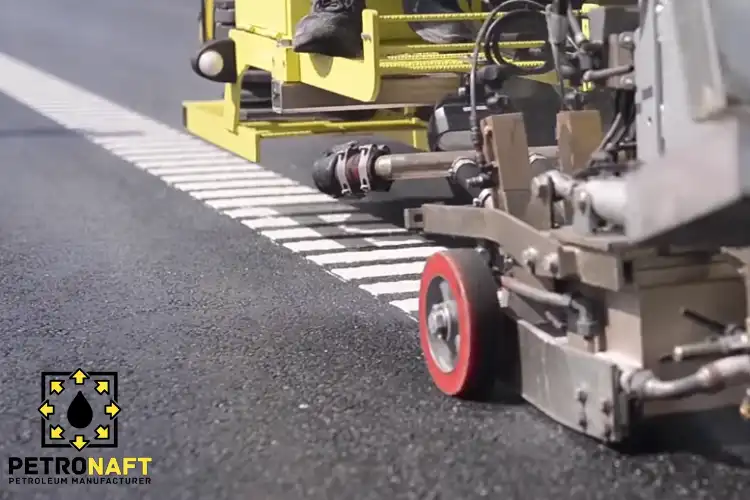
Road marking machine using Polyethylene Wax for Road Marking Paints
Article

Polyethylene Wax for Road Marking Paints: Benefits & Uses

Polyethylene Wax for Road Marking Paints helps improve application stability, abrasion resistance, surface cleanliness, and overall line durability. This article explains how it works, which grades suit different systems, how to test it correctly, and what buyers and formulators should check before choosing a supplier or approving a formulation.

Read More »
Several candles made with PE Wax for candle making
Article

PE Wax for Candle Making: Benefits, Uses & How to Use It

This guide explains PE Wax for Candle Making in clear, practical terms. It covers what the additive does, where it works best, how much to test, common formulation mistakes, and how to improve hardness, heat stability, glass performance, and scent retention without overloading your wax blend. It is written for buyers, candle makers, and product developers.

Read More »
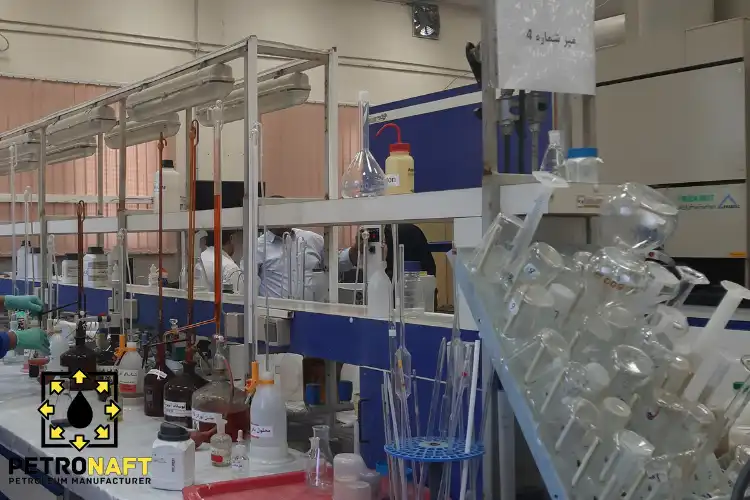
Laboratory for High-Quality Polyethylene Wax
Article

How to Identify High-Quality Polyethylene Wax: Key Specs & Tests

High-Quality Polyethylene Wax is identified by a tight, application-matched spec profile and quick verification tests. This guide explains which properties actually predict performance—melting behavior, viscosity/flow, hardness, cleanliness, and stability—plus simple incoming inspections and a practical supplier vetting workflow. You’ll also see real failure examples and a printable checklist to qualify grades confidently and avoid batch-to-batch surprises.

Read More »
Factory using Polyethylene Wax for Adhesive Production
Article

Polyethylene Wax for Adhesives | Uses, Benefits & Grades

Polyethylene Wax for Adhesives helps formulators and buyers control melt flow, open time, blocking resistance, and heat performance in hot-melt and PSA systems. This article explains what PE wax does inside the bond line, how different grade families compare, how to run a fast selection trial, and which specifications to request for consistent production results.

Read More »
Rubber production factory utilizing Polyethylene Wax for Rubber Processing
Article

Polyethylene Wax in Rubber Processing: Benefits, Grades & Dosage Guide

This guide explains Polyethylene Wax in Rubber Processing with a practical focus on real production needs: improving flow, filler dispersion, extrusion stability, and mold release. You’ll learn how to choose the right grade by melt point and compatibility, where to add it in the mix cycle, and how to validate dosage using fast trials that reduce bloom risk and protect bonding and cure consistency.

Read More »
Production factory of Polyethylene Wax for Coatings
Article

Polyethylene Wax for Coatings: Uses, Benefits & Grade Guide

Polyethylene Wax for Coatings boosts scratch and abrasion resistance, lowers friction, and improves blocking and water resistance. This guide explains wax types (oxidized, micronized, emulsions), key specs that matter, and how to dose and disperse in waterborne, solventborne, UV, and powder systems. You’ll also find a practical grade-selection table, troubleshooting tips, and a buyer checklist to request the right product.

Read More »
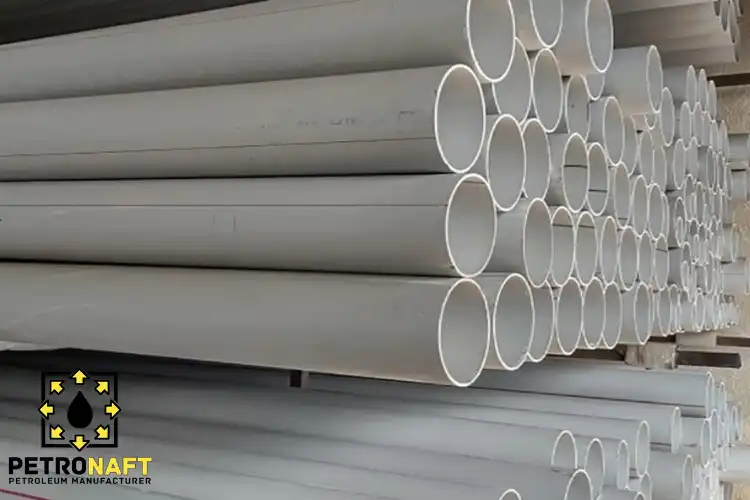
Collection of PVC pipes, made using PE Wax for PVC
Article

Polyethylene (PE) Wax for PVC: Types, Uses & Grade Selection

This guide explains how Polyethylene (PE) Wax for PVC affects lubrication, fusion, surface finish, and processing stability. You’ll learn the main wax types, which specs matter when selecting a grade, and starting dosage ranges for common PVC applications like profiles, pipe, calendered sheet, and injection molding. It also includes troubleshooting actions, incoming QC checks, and a practical checklist to simplify buying and trials.

Read More »
Manufacturing Polyethylene Wax in plastic industry at a factory.
Article

Polyethylene Wax in the Plastic Industry: Uses & Benefits

Polyethylene Wax in the Plastic Industry is a go-to processing aid for PVC, masterbatch, and polyolefin compounding. This article explains how PE wax improves flow, lubrication, dispersion, and surface quality, how to choose the right grade (oxidized vs. non-oxidized), and how to troubleshoot common issues like die build-up, plate-out, haze, and poor color strength—with practical steps buyers and processors can apply immediately.

Read More »