


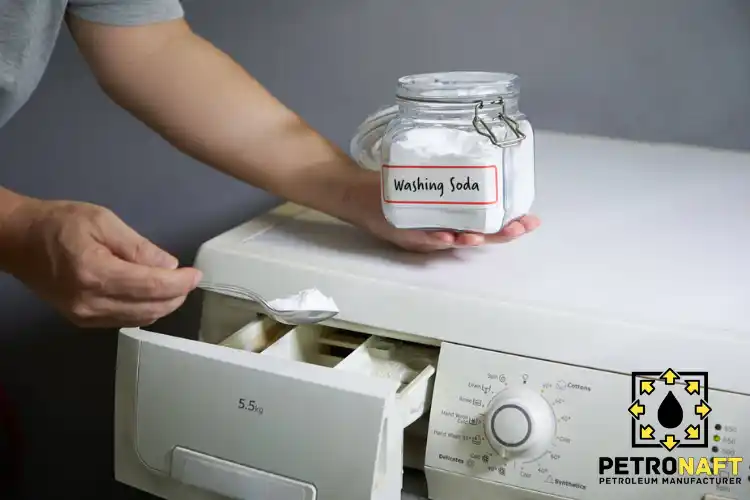
Looking for a cleaner that cuts grease, boosts laundry, and tackles hard-water grime without heavy fragrance? This Washing Soda Guide shows how sodium carbonate works, where it’s safe, and the exact ratios to use. You’ll learn quick recipes, shopping tips, and common mistakes to avoid for reliable, eco-minded results.
Washing soda is a “workhorse alkali.” It shines when you need:
- Degreasing power (kitchen film, oily laundry, garage messes)
- Water softening (helps detergents work better in hard water)
- Odor reset (towels, sportswear—when buildup is the real problem)
Highlights & Key Sections
Washing Soda Guide: Quick Start Cheat Sheet
Best-use shortcuts
- Laundry booster: 1–2 tbsp per load (HE) or 1/4 cup (standard)
- All-purpose spray: 1 tsp per 500 ml warm water
- Degreasing soak (filters, stove parts): 1 tbsp per 1 liter hot water
- Moldy shower smell: washing soda helps clean soap scum, but it won’t remove mineral scale alone
Mixing ratios at a glance
| Task | Mix | How to use | Notes |
|---|---|---|---|
| Laundry booster | 1–2 tbsp (HE) | Add to drum, then clothes | Reduce if colors fade |
| Strip towel buildup | 1/4 cup per 4–5 L | Soak 2–4 hours | Rinse twice |
| All-purpose cleaner | 1 tsp per 500 ml | Spray, wipe, rinse | Don’t use on aluminum |
| Oven / hood degrease | 1 tbsp per 1 L hot | Soak 15–30 min | Wear gloves |
| Grout pre-clean | 1 tbsp per 500 ml | Scrub, rinse well | Follow with ventilation |
Safety baseline: avoid eye contact, wear gloves for stronger mixes, and keep it away from aluminum and delicate fabrics.
What Washing Soda Is and Why It Works
Washing soda is sodium carbonate, a mineral-derived alkaline salt. In plain terms, it:
- Raises pH, helping break down oily films and food grease
- Binds hardness minerals (like calcium/magnesium), so detergent can do its job
- Helps lift residues that cause “clean-but-still-smelly” fabrics
It’s not a fragrance cover-up. When it works well, it’s usually because it removed the layer that was holding odors and grime in place.
Washing Soda vs Baking Soda vs Borax
These three get mixed up a lot. Here’s the practical difference.
| Product | Best for | Strength | Where it struggles |
|---|---|---|---|
| Washing soda (sodium carbonate) | Grease, laundry boosting, hard-water cleaning | Strong alkali | Mineral scale (white limescale) |
| Baking soda (sodium bicarbonate) | Gentle deodorizing, mild scrubbing | Mild | Heavy grease, thick buildup |
| Borax (sodium borate) | Some laundry uses, water softening support | Medium | Not ideal where sensitive use is required |
If you’re choosing one “do more” option for grease + laundry, washing soda usually wins.
Where It’s Safe (and Where It Isn’t)
Generally safe surfaces (with rinse)
- Ceramic tile, porcelain, sealed stone
- Stainless steel (spot test first)
- Most plastics (avoid prolonged soaking on cheap plastics)
Avoid or use extreme caution
- Aluminum: can discolor or pit
- Unsealed wood: can raise grain and stain
- Wool/silk/leather: can damage fibers
- Waxed or oil-finished surfaces: can strip the finish
Quick “spot test” routine (2 minutes)
- Mix 1 tsp in 500 ml warm water.
- Apply to a hidden area for 1 minute.
- Wipe and rinse. Wait 10 minutes.
- If you see dulling, color change, or roughness—don’t use it there.
Laundry: The Highest-ROI Use
If you only use washing soda in one place, make it laundry. It’s cheap per load and solves problems people often blame on “bad detergent.”
Mini tutorial: Fix smelly towels (buildup removal)
This works when towels smell right after washing.
- Fill a bucket or tub with very warm water (4–5 liters).
- Dissolve 1/4 cup washing soda.
- Add towels and soak 2–4 hours (stir once).
- Wash normally with half your usual detergent.
- Add an extra rinse if you can.
What you’ll notice: water turns grayish if you had residue buildup.
How much to use in a washing machine
| Machine type | Light soil | Heavy soil / hard water | Tip |
|---|---|---|---|
| HE washer | 1 tbsp | 2 tbsp | Add to drum first |
| Standard top-load | 2 tbsp | 1/4 cup | Dissolve in warm water if possible |
Common mistake: using too much. Over-alkalizing can dull certain dyes over time. Start small and scale up only if needed.
Kitchen Degreasing: Fast Wins Without Harsh Perfume
Washing soda is excellent on greasy films that soap alone keeps smearing around.
Case study: Range hood filter rescue (15–30 minutes)
If you’ve ever tried to scrub a hood filter forever, this is easier.
- Put the filter in a sink or tray.
- Add hot water to cover it.
- Mix 1 tbsp per 1 liter of hot water.
- Soak 15–30 minutes.
- Rinse thoroughly and air-dry.
You’ll usually see the grease release in sheets rather than smearing.
Mini tutorial: Stovetop film remover
- Mix 1 tsp per 500 ml warm water in a spray bottle.
- Spray, wait 2 minutes, wipe with a damp cloth.
- Rinse the surface after wiping (especially on glossy finishes).
Bathroom and Hard-Water Messes
Here’s the key: washing soda is great for soap scum, but not your best tool for thick mineral scale.
What it’s best at in the bathroom
- Removing the “sticky” layer that holds grime on tile
- Pre-cleaning grout so brushing is easier
- Deodorizing drains (as a cleaner step, not a disinfectant)
Mini tutorial: Shower tile reset (soap scum)
- Pre-rinse tile with warm water.
- Apply solution: 1 tbsp per 500 ml warm water.
- Scrub with a nylon brush.
- Rinse thoroughly and dry with a towel (this reduces next buildup).
If you have white chalky limescale, you’ll likely need a separate descaling step later. Never mix cleaning chemicals in the same container.
Garage, Outdoor, and Workwear Cleaning
If you deal with oily residue (car mats, work pants, shop rags), washing soda helps detach grime so detergent can carry it away.
Mini tutorial: Workwear pre-soak for oily dirt
- Fill a bucket with warm water.
- Add 2 tbsp per 4–5 liters.
- Soak 30–60 minutes, then wash.
- Rinse well—leftover alkalinity can feel “stiff.”
Pro tip: For petroleum-heavy stains, treat the spot first with a small amount of dishwashing liquid, then use washing soda as the soak booster.
Buying Tips: How to Choose the Right Washing Soda
Not all “washing soda” is equal. Some products blend ingredients or change grain size.
What to look for
- Ingredient list: ideally just sodium carbonate
- Low-additive: no fragrance or unnecessary fillers
- Packaging: moisture-resistant (it can clump if exposed to humidity)
- Grain size: finer dissolves faster; crystals are easier to handle with less dust
Quick buyer comparison table
| Option | Best for | Watch-outs |
|---|---|---|
| Pure washing soda | Most home cleaning | Dusty if poured fast |
| “Soda crystals” style | Easy measuring, lower dust | May dissolve slower |
| Blended “laundry booster” | Convenience | May include extras you don’t need |
Storage and Handling (So It Stays Effective)
Washing soda loves humidity. If it clumps, it can still work, but measuring becomes messy.
- Store in an airtight container.
- Keep it dry and cool, away from acids and moisture.
- Use a dedicated scoop to prevent wet hands from introducing moisture.
If you’re sensitive to dust, pour slowly or choose a larger-grain product.
Eco-Friendly Cleaning Reality Check + Current Trends
Washing soda fits well into low-waste cleaning because it’s multi-purpose and typically comes in simple packaging. It can reduce the need for multiple specialty sprays.
Two trends making it more relevant right now:
- Ingredient transparency and fragrance-free demand: more people want simpler formulas that don’t trigger sensitivities.
- Concentrated powders and refills: brands and consumers are moving away from shipping water-heavy liquid cleaners.
Eco note: it’s effective at low doses, so the green move is usually “use less, rinse well, and avoid dumping strong solutions.”
Troubleshooting: When Results Disappoint
Problem: “It didn’t cut the limescale.”
That’s expected. Mineral scale responds better to a dedicated descaling approach (separate product, separate step).
Problem: “My clothes feel rough.”
You may be using too much or not rinsing enough. Reduce dose and add an extra rinse.
Problem: “Colors look dull.”
Lower the dose and avoid long soaks for bright dyes. Use it mainly on whites, towels, and sturdy fabrics.
Problem: “It left a haze on surfaces.”
That’s residue. Use a damp cloth rinse wipe, then dry the surface.
Conclusion
A smart routine with washing soda is simple: use it where alkalinity helps (grease, residue, laundry buildup), avoid delicate materials, and measure accurately. If you want one versatile powder that upgrades everyday cleaning without a cabinet full of products, this Washing Soda Guide gives you the safest, most effective way to do it.
Executive Summary Checklist
Use this checklist before each new use:
- Confirm the surface/fabric is compatible (avoid aluminum, wool, silk, unsealed wood)
- Start with a low dose (HE: 1 tbsp; standard: 2 tbsp–1/4 cup max)
- Use warm water when possible for faster dissolving
- Rinse well to prevent haze or fabric stiffness
- Treat heavy oil spots first, then boost with washing soda
- Store airtight to prevent clumping and dust
- Keep cleaning steps separate (don’t mix products in the same container)
FAQ
1) Is washing soda the same as baking soda?
No. Washing soda is stronger and better for grease and laundry boosting. Baking soda is milder and better for gentle deodorizing and light scrubbing.
2) Can I use washing soda in an HE washing machine?
Yes, but keep the dose small—typically 1–2 tablespoons. Add it to the drum first and rinse well to avoid residue.
3) Does washing soda disinfect surfaces?
It cleans by lifting grime and residue, which helps hygiene, but it’s not a dedicated disinfectant. Use a separate disinfecting step when you need germ-kill performance.
4) Will washing soda remove hard-water limescale?
It helps with soap scum and grime, but thick limescale is mineral scale and usually needs a separate descaling approach. Keep steps separate and rinse between products.
5) Can washing soda damage surfaces?
Yes, it can dull or discolor certain materials—especially aluminum and some finishes. Spot test first, use correct dilution, and always rinse thoroughly.
Sources
- Chemical identity and key properties reference: PubChem — Sodium Carbonate
- EU substance identification and classification context: ECHA — Sodium Carbonate Substance Information
- Ingredient safety framework and qualifying chemical lists: U.S. EPA — Safer Choice Criteria (PDF)
- Standard reference safety and handling overview: NIST — Sodium Carbonate SDS (PDF)
- Industry usage context and supply chain overview: U.S. EPA — Sodium Carbonate Supply Chain Profile (PDF)