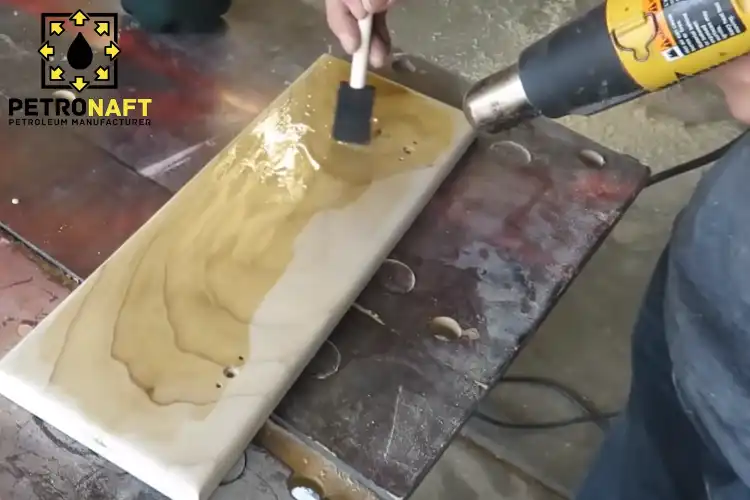
Paraffin wax is mainly used as a dry lubricant. In woodworking, that means reducing resistance where wood rubs against wood, wood rubs against metal, or metal fasteners fight their way into dense grain.
Unlike oily lubricants, paraffin feels cleaner in shop use. It does not soak into surfaces the way liquid products can, and it is easy to apply exactly where needed.
Common workshop uses
Drawer runners and drawer sides
Wooden jigs and sled runners
Plane soles
Screw threads
Machine contact surfaces where smoother feed is helpful
Highlights & Key Sections
Paraffin Wax for Woodworking: Best Uses and Benefits
The biggest benefit of paraffin is predictable friction reduction. It does one job well, and that makes it useful in both small shops and industrial woodworking environments.
Application
Main benefit
Typical result
Drawer runners
Less drag
Smoother opening and closing
Screw threads
Lower driving resistance
Easier assembly in hardwood
Plane soles
Better glide
Less effort during planing
Jigs and sleds
Reduced sticking
More controlled movement
Machine contact points
Smoother stock travel
Better handling on feed surfaces
Why woodworkers use it
It is inexpensive
It is easy to control
It works fast
It leaves less mess than wet lubricants
It suits both hand-tool and machine-shop tasks
A practical advantage is consistency. When a drawer already fits well but still feels slightly tight, paraffin often gives the final smoothness needed without changing the joinery. The same logic applies to hand tools and shop fixtures: fix the fit first, then reduce friction.
Where Paraffin Performs Best
Paraffin works best when the surface already has the right shape, alignment, and fit. It improves movement, but it does not correct poor construction.
1. Drawer runners and fitted drawers
This is one of the classic uses. A drawer that sticks slightly during seasonal humidity changes can often benefit from a very light coat on the contact areas.
Mini tutorial: smoothing a drawer
Open and inspect the drawer for high-friction points.
Correct any serious tight spots first.
Rub a small amount of paraffin on the runners or contact edges.
Slide the drawer in and out several times.
Buff off any visible excess.
2. Screw threads in hardwood
Driving screws into oak, beech, maple, or other dense woods creates heat and resistance. Paraffin helps the threads enter more cleanly and can reduce the chance of stripped heads or snapped screws.
Mini tutorial: waxing screws
Drill the proper pilot hole.
Touch the screw threads lightly to the wax block.
Drive the screw at a controlled speed.
Use this especially for longer screws or harder wood species.
3. Hand-tool movement
A hand plane with a sharp iron can still feel heavy if the sole drags across the wood. A thin wipe of paraffin improves glide and can make long passes feel more controlled.
4. Jigs, sleds, and shop-made fixtures
Wooden runners and shop fixtures often become rougher over time because of dust, minor swelling, or repeated use. Paraffin helps them move more smoothly without turning the surface greasy.
How to Apply Paraffin Wax Correctly
More wax is not better. The best application is light, targeted, and nearly invisible.
Simple application method
Clean the surface first
Rub on a thin coat only where friction occurs
Test the movement
Buff off excess with a clean cloth
Reapply only when needed
If you can clearly see a thick waxy layer, you probably used too much. In most cases, a thin film is enough to make a noticeable difference.
Real-World Example: Drawer Fit vs Wax
A common mistake is using wax to hide a bad fit. If a drawer binds because it is oversized, out of square, or twisted, paraffin will only provide temporary relief.
A better method is this:
Adjust the fit mechanically first
Test seasonal movement if possible
Use paraffin only as the final tuning step
That approach gives longer-lasting results and avoids repeated over-application.
Paraffin Wax vs Other Woodworking Lubricants
Paraffin is useful, but it is not the only option in a workshop. The right product depends on the task.
Product
Best for
Strength
Limitation
Paraffin wax
Drawers, screws, jigs, plane soles
Clean, simple, low cost
Not for glue or finish areas
Beeswax
Hand-tool feel, blended waxes
Smooth feel, easy to use
Softer in warm conditions
Silicone-free paste wax
Machine tables and broad surfaces
Good overall slickness
Slower to apply
Oil-based lubricants
Mechanical hardware
Strong lubrication
Can leave residue
For most woodworking tasks, paraffin wins when you want quick, local friction reduction. For large metal machine surfaces, many professionals prefer a dedicated silicone-free paste wax routine.
Where You Should Not Use Paraffin
This matters just as much as knowing where to use it.
Avoid using paraffin on
Reason
Glue joints
Wax can reduce bonding quality
Finish-prep surfaces
Residue can affect finish adhesion or appearance
Sanding areas before coating
Surface contamination creates avoidable risk
Precision mechanical parts needing engineered lubricants
Paraffin is not designed for heavy-load mechanisms
If a surface will be glued, stained, painted, or clear-coated, keep it clean and wax-free. That one habit prevents many finishing and bonding problems.
Current Shop Trend: Cleaner Product Separation
A growing trend in professional woodworking is separating products by task instead of using one spray or polish for everything. Shops are becoming more careful about what touches machine surfaces, what touches project parts, and what stays far away from finishing zones.
That shift makes paraffin more relevant. It fits well into a controlled shop system because it is easy to apply in small amounts and easy to keep out of sensitive areas.
Current Finishing Trend: More Sensitivity to Surface Contamination
As more shops use modern lower-VOC and waterborne finishing systems, surface cleanliness matters even more. These finish systems can be less forgiving when contamination is present.
That does not make paraffin a bad choice. It means woodworkers should use it more intentionally: on friction points only, never as a casual all-over treatment.
Buying Guide: What to Look For
When buying paraffin for shop use, simpler is better.
Choose products with these qualities
Plain paraffin with no fragrance
No color additives if possible
Clean, solid block form
Easy storage without dust contamination
Avoid products marketed mainly for shine
If a product is heavily marketed as a polish, aerosol shortcut, or surface beautifier, it is usually not the best choice for woodworking friction control.
For shop maintenance, the best paraffin is usually the most basic one.
Practical Tips From Workshop Experience
These habits make paraffin more effective:
Keep one wax block only for shop lubrication
Store it in a small box or sealed bag
Do not leave it on dusty benches
Mark it clearly so it is not confused with finishing products
Apply it after fitting, not before
A dedicated wax block stays cleaner, lasts longer, and reduces the chance of cross-contaminating workpieces.
Executive Summary Checklist
Use this checklist before applying wax in the shop:
Confirm the part fits properly first
Apply paraffin only on friction points
Use a thin coat
Buff away any buildup
Keep wax away from glue joints
Keep wax away from finish-ready surfaces
Reapply only when drag returns
Use separate products for lubrication and finishing tasks
Paraffin Wax for Woodworking is most effective when used as a precise maintenance tool. It is affordable, clean, easy to control, and highly practical for drawers, screws, jigs, and hand tools. Used with good shop discipline, it improves workflow without creating unnecessary finishing or bonding problems.
FAQs
1. Can paraffin wax be used on wooden drawers?
Yes. It is one of the most common uses in woodworking. A light application on the contact surfaces can reduce sticking and make drawer movement smoother.
2. Does paraffin wax help with screws in hardwood?
Yes. Waxing the threads reduces friction and makes screws easier to drive into dense woods. It can also reduce stress on the screw during installation.
3. Is paraffin wax the same as a wood finish?
No. Paraffin is mainly a lubricant, not a protective finish. It may improve feel and movement, but it does not provide the protection or durability of a true finishing system.
4. Can paraffin wax interfere with glue or finish?
Yes. Residue on bonding or finish-prep surfaces can create problems. Keep paraffin away from joints that need glue and areas that will be coated.
5. How often should paraffin wax be reapplied?
Only when needed. If a drawer, jig, or tool starts dragging again, apply a thin fresh coat. Heavy or frequent buildup is usually unnecessary.