


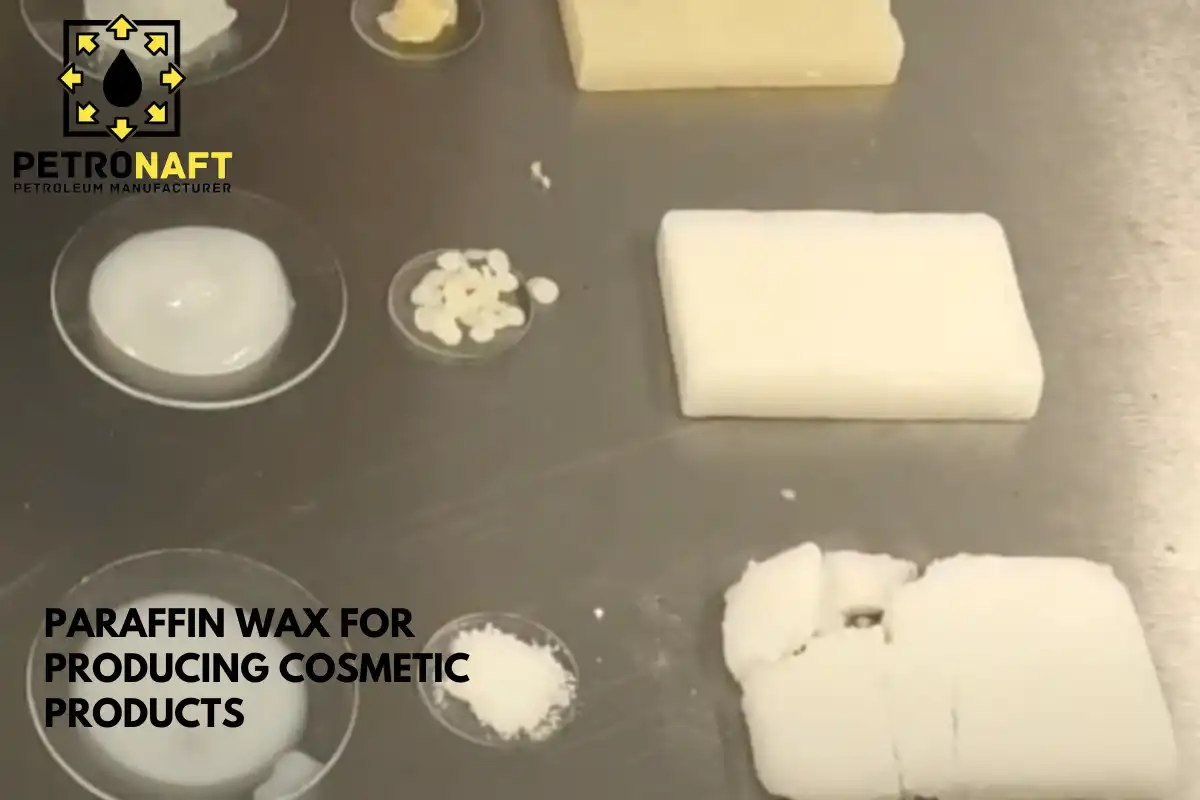
Paraffin Wax for Producing Cosmetic Products: An Essential Guide
Paraffin wax is a versatile and essential ingredient in the cosmetic industry. Its unique properties make it a popular choice for a wide range of beauty products. This guide provides a comprehensive overview of paraffin wax, its uses, benefits, and applications in the production of cosmetic products.
Highlights & Key Sections
Introduction to Paraffin Wax
Paraffin wax is a white or colorless soft solid derived from petroleum, coal, or shale oil. It consists of a mixture of hydrocarbon molecules containing between twenty and forty carbon atoms. Its low melting point and smooth texture make it ideal for various applications, especially in the cosmetic industry.
Key Properties of Paraffin Wax
- Hydrophobic Nature: Paraffin wax is highly water-resistant, which makes it an excellent barrier against moisture. This property is particularly beneficial in skin care products aimed at providing hydration and protection.
- Low Melting Point: The low melting point of paraffin wax allows for easy application and removal, making it suitable for use in treatments such as paraffin wax baths and masks.
- Smooth Texture: The smooth, pliable texture of paraffin wax makes it ideal for creating products that require a silky feel, such as lotions and creams.
Applications in Cosmetic Products
- Skin Care Products
Paraffin wax is widely used in skin care products due to its moisturizing and protective properties. It is commonly found in:
- Moisturizers: Paraffin wax forms a protective barrier on the skin, preventing moisture loss and keeping the skin hydrated.
- Lip Balms: The waxy texture of paraffin wax helps in creating a long-lasting barrier on the lips, protecting them from dryness and chapping.
- Hand and Foot Creams: Paraffin wax is often used in intensive hand and foot treatments to soften and smooth the skin.
- Hair Care Products
Paraffin wax is also used in various hair care products. It helps in:
- Hair Conditioners: The hydrophobic nature of paraffin wax locks in moisture, making it an excellent ingredient for deep conditioning treatments.
- Hair Styling Products: Paraffin wax provides a firm hold and adds shine to hair styling products such as pomades and waxes.
- Nail Care Products
In nail care, paraffin wax is used for its soothing and softening properties. It is a common ingredient in:
- Cuticle Creams: Paraffin wax helps in softening and moisturizing the cuticles, making them easier to manage.
- Manicure and Pedicure Treatments: Warm paraffin wax treatments are popular in spas and salons for their ability to hydrate and soothe the skin around the nails.
Innovative Uses and Latest Discoveries
The cosmetic industry continually seeks innovative ways to incorporate paraffin wax into new products. Recent advancements include:
- Micronized Paraffin Wax: This form of paraffin wax has smaller particle sizes, allowing for better integration into formulations and enhancing the texture and effectiveness of products.
- Eco-Friendly Paraffin Alternatives: With growing environmental concerns, the industry is exploring sustainable and eco-friendly alternatives to traditional paraffin wax, such as vegetable-based waxes.
Safety and Quality Standards
Ensuring the safety and quality of paraffin wax in cosmetic products is crucial. Regulatory bodies, such as the FDA, provide guidelines on the permissible levels of paraffin wax in cosmetics. Manufacturers must adhere to these standards to ensure the safety and efficacy of their products.
Comparing Paraffin Wax with Alternatives
While paraffin wax is widely used, other alternatives are also popular in the cosmetic industry. These include:
- Beeswax: A natural alternative that provides similar moisturizing benefits but is more expensive.
- Soy Wax: A plant-based alternative that is eco-friendly and biodegradable, though it may have different textural properties.
Environmental Impact and Sustainability
The production and use of paraffin wax have environmental implications. It is essential to consider sustainable practices, such as:
- Recycling and Reusing: Implementing recycling programs for paraffin wax products can reduce waste.
- Sustainable Sourcing: Opting for sustainably sourced paraffin wax can minimize the environmental footprint.
In conclusion, paraffin wax is a crucial component in the production of cosmetic products, offering numerous benefits and applications. By understanding its properties, uses, and the latest innovations, manufacturers can continue to create effective and appealing beauty products while considering environmental and safety standards.
Benefits and Uses of Paraffin Wax in Modern Cosmetic Industry
Paraffin wax has established itself as a cornerstone in the cosmetic industry due to its versatile properties and numerous benefits. This section delves into the key advantages of paraffin wax and its diverse applications in modern cosmetics, highlighting its significance in enhancing product performance and consumer satisfaction.
Moisturizing and Hydrating Properties
One of the primary benefits of paraffin wax is its exceptional moisturizing capability. When applied to the skin, it creates a barrier that helps retain moisture, making it a valuable ingredient in products designed to hydrate and soften the skin.
- Deep Moisturizers: Paraffin wax is commonly used in deep moisturizing creams and lotions, providing long-lasting hydration for dry and cracked skin.
- Hydrating Masks: In spa treatments, paraffin wax masks are used to deeply moisturize and rejuvenate the skin, leaving it feeling soft and supple.
Therapeutic and Healing Effects
Paraffin wax is known for its therapeutic properties, which make it an ideal choice for various cosmetic treatments aimed at healing and soothing the skin.
- Paraffin Wax Baths: These are popular in therapeutic treatments to relieve arthritis pain, muscle stiffness, and joint inflammation. The warmth of the wax increases blood flow and relaxes muscles.
- Skin Soothers: Paraffin wax is used in products designed to soothe irritated or inflamed skin, providing a calming effect.
Enhancing Skin Texture and Appearance
The smooth texture of paraffin wax makes it an excellent ingredient for products aimed at improving skin texture and appearance.
- Exfoliators: Paraffin wax can be incorporated into exfoliating products to help remove dead skin cells, revealing a smoother and more radiant complexion.
- Anti-Aging Creams: Its hydrating properties help plump the skin, reducing the appearance of fine lines and wrinkles.
Versatility in Product Formulations
Paraffin wax is a versatile ingredient that can be adapted for use in a wide range of cosmetic products, from skin care to hair care.
- Lip Products: It is a key ingredient in lip balms and glosses, providing a smooth application and long-lasting protection against dryness.
- Hair Conditioners and Treatments: In hair care, paraffin wax helps to condition and add shine, making it a valuable component in hair masks and conditioners.
Improving Product Stability and Shelf Life
Paraffin wax contributes to the stability and longevity of cosmetic products, ensuring they remain effective and safe for use over time.
- Preservatives: Its inclusion in formulations helps to stabilize the consistency and extend the shelf life of products, protecting them from degradation.
- Texture Enhancers: Paraffin wax enhances the texture and spreadability of products, making them more pleasant to use.
Cost-Effective Ingredient
Paraffin wax is relatively inexpensive compared to other cosmetic ingredients, making it a cost-effective option for manufacturers.
- Affordable Alternatives: It provides a budget-friendly alternative to more expensive waxes, such as beeswax, without compromising on performance.
- Mass Production: Its low cost makes it suitable for mass production, allowing for the creation of high-quality yet affordable cosmetic products.
Eco-Friendly Considerations
While traditional paraffin wax is derived from petroleum, there are growing trends towards more sustainable and eco-friendly alternatives.
- Recycled Paraffin Wax: Some manufacturers are now using recycled paraffin wax, reducing waste and environmental impact.
- Plant-Based Alternatives: Innovations in the industry have led to the development of plant-based paraffin wax substitutes, which offer similar benefits with a smaller ecological footprint.
Innovative Applications in Modern Cosmetics
The cosmetic industry continually evolves, and paraffin wax remains a staple due to its adaptability and innovation.
- Customizable Formulations: Advances in technology allow for the customization of paraffin wax properties to suit specific product needs, enhancing its versatility.
- Hybrid Products: Modern cosmetic products often combine paraffin wax with other innovative ingredients to create hybrid formulations that deliver multiple benefits simultaneously.
In summary, paraffin wax is a highly beneficial and versatile ingredient in the modern cosmetic industry. Its moisturizing, therapeutic, and textural properties, coupled with its cost-effectiveness and adaptability, make it an indispensable component in a wide range of beauty products. As the industry continues to innovate, paraffin wax will likely remain a key player in the development of new and effective cosmetic solutions.
How Paraffin Wax Enhances Moisturizing and Softening in Skincare
Paraffin wax is a popular ingredient in skincare products, known for its exceptional moisturizing and softening properties. This section explores the mechanisms through which paraffin wax benefits the skin, its applications in various skincare products, and the scientific basis behind its effectiveness.
Moisturizing Mechanism of Paraffin Wax
Paraffin wax acts as an occlusive agent, forming a protective barrier on the skin’s surface. This barrier helps to lock in moisture, preventing transepidermal water loss (TEWL) and maintaining skin hydration. Here’s how it works:
- Occlusive Barrier: When applied to the skin, paraffin wax forms a thin, impermeable layer that traps moisture within the skin. This barrier prevents the evaporation of water, ensuring that the skin remains hydrated for an extended period.
- Enhanced Hydration: By reducing water loss, paraffin wax helps to maintain the skin’s natural moisture balance, leading to improved hydration levels and a plumper, more youthful appearance.
Softening Effect of Paraffin Wax
Paraffin wax also plays a crucial role in softening the skin. Its emollient properties help to smooth and soften rough, dry, and cracked skin. The application of paraffin wax leads to the following benefits:
- Smooth Texture: The waxy consistency of paraffin wax helps to fill in tiny gaps and crevices on the skin’s surface, creating a smoother texture. This results in softer and more supple skin.
- Healing Dryness: Paraffin wax is particularly effective in treating severely dry or chapped skin. It provides an immediate soothing effect and helps to restore the skin’s natural softness over time.
Applications in Skincare Products
Paraffin wax is used in a variety of skincare products designed to provide deep moisturization and softening. Some common applications include:
- Hand and Foot Treatments
- Paraffin Wax Baths: These treatments involve immersing hands or feet in warm, melted paraffin wax. The heat from the wax opens up pores and enhances blood circulation, while the wax itself locks in moisture and softens the skin.
- Intensive Creams: Hand and foot creams containing paraffin wax are formulated to provide long-lasting hydration and softness, making them ideal for treating rough, dry skin.
- Facial Moisturizers and Masks
- Hydrating Masks: Paraffin wax is used in hydrating masks that provide a deep moisturizing effect. These masks are applied to the face and left on for a specified period, allowing the wax to penetrate and hydrate the skin.
- Night Creams: Night creams with paraffin wax create a protective layer that works overnight to retain moisture and soften the skin, leading to a refreshed and rejuvenated appearance by morning.
- Lip Care Products
- Lip Balms and Glosses: Paraffin wax is a common ingredient in lip balms and glosses. It helps to create a smooth application and forms a barrier that protects the lips from dryness and environmental damage.
- Healing Ointments: For chapped or cracked lips, paraffin wax-based ointments provide soothing relief and help to heal and soften the delicate skin on the lips.
Scientific Basis for Effectiveness
The effectiveness of paraffin wax in moisturizing and softening the skin is supported by scientific research and dermatological studies. Key findings include:
- Hydration Retention: Studies have shown that occlusive agents like paraffin wax significantly reduce TEWL, leading to improved skin hydration. This helps to maintain the skin’s natural moisture levels and prevent dryness.
- Barrier Function Improvement: The application of paraffin wax enhances the skin’s barrier function, making it more resilient to external irritants and environmental factors. This contributes to healthier, more hydrated skin.
Comparative Advantages
Compared to other moisturizing agents, paraffin wax offers unique advantages:
- Long-Lasting Effect: The occlusive nature of paraffin wax provides long-lasting hydration, making it ideal for products designed to deliver prolonged moisture.
- Immediate Softening: Paraffin wax delivers an immediate softening effect, which is particularly beneficial for treating rough or dry skin areas quickly.
Consumer and Environmental Considerations
While paraffin wax is highly effective, there are considerations regarding its use:
- Consumer Preferences: Some consumers prefer natural or plant-based alternatives to paraffin wax. As a result, manufacturers are exploring blends that combine paraffin wax with natural oils and butters to appeal to a broader audience.
- Environmental Impact: As a petroleum-derived product, the environmental impact of paraffin wax production is a concern. Sustainable sourcing and the use of recycled paraffin wax are steps being taken to mitigate this impact.
In conclusion, paraffin wax is a powerful ingredient in skincare products, renowned for its ability to enhance moisturizing and softening. Its occlusive properties, combined with its emollient effects, make it an indispensable component in treatments aimed at hydrating and soothing the skin. With ongoing advancements and a focus on sustainability, paraffin wax continues to play a vital role in modern skincare.
Innovative Techniques and Latest Discoveries in Paraffin Wax Applications
The cosmetic industry is constantly evolving, with new techniques and discoveries enhancing the application and effectiveness of paraffin wax. This section explores the latest innovations and scientific breakthroughs that are shaping the use of paraffin wax in modern cosmetics, providing insights into how these advancements are improving product performance and consumer satisfaction.
Micronized Paraffin Wax
One of the most significant innovations in the use of paraffin wax is the development of micronized paraffin wax. This form of wax features ultra-fine particles that offer several advantages:
- Enhanced Texture: Micronized paraffin wax provides a smoother texture, making it ideal for use in creams, lotions, and other topical applications. The finer particles ensure a more even distribution and a silky feel on the skin.
- Improved Absorption: The smaller particle size allows for better absorption into the skin, enhancing the moisturizing and protective effects of the wax. This leads to more effective hydration and skin barrier reinforcement.
Sustainable and Eco-Friendly Paraffin Alternatives
As environmental concerns grow, the cosmetic industry is exploring sustainable alternatives to traditional paraffin wax. These innovations focus on reducing the ecological footprint while maintaining the benefits of paraffin wax:
- Vegetable-Based Waxes: Waxes derived from plants, such as soy and candelilla wax, are being developed as sustainable alternatives. These vegetable-based waxes offer similar moisturizing and protective properties while being biodegradable and renewable.
- Recycled Paraffin Wax: Some manufacturers are using recycled paraffin wax, which involves reclaiming and purifying used wax. This approach reduces waste and the demand for new petroleum-derived wax.
Paraffin Wax Nanoparticles
Nanotechnology has introduced paraffin wax nanoparticles, which have opened new possibilities in cosmetic formulations:
- Enhanced Delivery Systems: Paraffin wax nanoparticles can be used to deliver active ingredients more effectively. Encapsulating ingredients within these nanoparticles protects them from degradation and allows for controlled release, improving the efficacy of skincare products.
- Improved Stability: The use of nanoparticles enhances the stability of cosmetic formulations, ensuring that products maintain their effectiveness over time. This is particularly beneficial for anti-aging and therapeutic treatments.
Hybrid Formulations
Combining paraffin wax with other innovative ingredients has led to the creation of hybrid formulations that offer multiple benefits:
- Moisturizing and Anti-Aging: Hybrid products that combine paraffin wax with hyaluronic acid or collagen provide deep hydration and anti-aging benefits. These formulations address multiple skincare needs, from moisturizing to reducing fine lines.
- Protective and Therapeutic: Blending paraffin wax with essential oils or botanical extracts creates products that not only moisturize but also provide therapeutic benefits, such as soothing inflammation or promoting skin healing.
Advanced Paraffin Wax Treatments
Innovative treatments utilizing paraffin wax are being developed to enhance its application in both professional and at-home skincare routines:
- Paraffin Wax Baths with Additives: Traditional paraffin wax baths are being enhanced with the addition of beneficial additives, such as vitamins, minerals, and essential oils. These additives provide extra nourishment and therapeutic effects during the treatment.
- Multi-Phase Masks: Multi-phase paraffin wax masks incorporate different layers or phases, each delivering specific benefits. For example, an initial layer may exfoliate, followed by a moisturizing layer that penetrates deeply into the skin.
Scientific Discoveries
Recent scientific research has provided deeper insights into the benefits and mechanisms of paraffin wax in skincare:
- Barrier Function Enhancement: Studies have demonstrated that paraffin wax significantly improves the skin’s barrier function, making it more resilient against environmental aggressors and moisture loss. This underscores its effectiveness in treating dry and damaged skin.
- Anti-Inflammatory Properties: Research has shown that paraffin wax can have anti-inflammatory effects, making it beneficial for conditions such as eczema and psoriasis. These findings support its use in therapeutic skincare products.
Customization and Personalization
Advancements in technology have enabled the customization of paraffin wax-based products to meet individual skincare needs:
- Customized Formulations: Manufacturers can now create customized formulations based on specific skin types and concerns. Personalized skincare products that incorporate paraffin wax cater to individual preferences and provide targeted benefits.
- Smart Packaging: Innovative packaging solutions, such as airless pumps and dual-chamber containers, protect paraffin wax formulations from contamination and degradation, ensuring product integrity and longevity.
Table: Comparison of Traditional and Innovative Paraffin Wax Applications
Feature | Traditional Paraffin Wax | Innovative Paraffin Wax Applications |
Particle Size | Standard | Micronized, Nanoparticles |
Sustainability | Petroleum-Based | Vegetable-Based, Recycled |
Application Methods | Basic Baths and Masks | Multi-Phase Masks, Additive-Enhanced Baths |
Formulation Types | Simple Moisturizers | Hybrid with Active Ingredients |
Delivery Systems | Basic Topical Application | Encapsulated Active Ingredients for Controlled Release |
Research Insights | General Moisturizing | Barrier Function, Anti-Inflammatory Effects |
Personalization | Standard Formulations | Customized Skincare Solutions |
In conclusion, the cosmetic industry’s innovative techniques and latest discoveries in paraffin wax applications are revolutionizing skincare. From micronized and nanoparticle formulations to sustainable alternatives and hybrid products, these advancements enhance the effectiveness and appeal of paraffin wax-based cosmetics. As research continues and technology advances, paraffin wax will likely remain a vital component in the development of cutting-edge skincare solutions.
Safety and Quality Standards of Paraffin Wax in Cosmetic Manufacturing
Ensuring the safety and quality of paraffin wax in cosmetic manufacturing is paramount to producing effective and safe beauty products. This section outlines the safety regulations, quality control measures, and industry standards that govern the use of paraffin wax in cosmetics, emphasizing the importance of compliance and best practices.
Regulatory Guidelines
Various regulatory bodies provide guidelines and standards for the use of paraffin wax in cosmetics. These guidelines ensure that paraffin wax products are safe for consumer use.
- FDA Regulations: In the United States, the Food and Drug Administration (FDA) regulates the use of paraffin wax in cosmetics. The FDA requires that all cosmetic ingredients, including paraffin wax, be safe for their intended use. Manufacturers must ensure that their products do not contain harmful contaminants and meet specific purity standards.
- European Union Cosmetics Regulation: The European Union has strict regulations under the Cosmetic Products Regulation (EC) No 1223/2009. This regulation mandates that paraffin wax used in cosmetics must be of high purity and free from any harmful substances. It also requires manufacturers to conduct safety assessments and maintain detailed product information files.
- International Standards: Other countries have their own regulatory frameworks, such as Health Canada and the Japanese Ministry of Health, Labour and Welfare, which also emphasize the safety and purity of paraffin wax in cosmetics.
Quality Control Measures
To ensure the highest quality of paraffin wax in cosmetics, manufacturers implement rigorous quality control measures throughout the production process.
- Source Verification: Manufacturers must verify the source of their paraffin wax to ensure it meets high-quality standards. This involves selecting reputable suppliers and conducting thorough audits to confirm the wax’s purity and consistency.
- Purification Processes: Paraffin wax undergoes various purification processes to remove impurities and contaminants. Common methods include distillation, filtration, and bleaching. These processes ensure that the wax is free from harmful substances and suitable for cosmetic use.
- Batch Testing: Regular testing of paraffin wax batches is crucial to maintaining quality. Tests include checking for consistency, melting point, color, and the presence of any contaminants. These tests are conducted using advanced analytical techniques such as gas chromatography and mass spectrometry.
Safety Assessments
Before paraffin wax can be used in cosmetic products, it must undergo comprehensive safety assessments to evaluate its suitability for skin contact.
- Toxicological Testing: Paraffin wax is subjected to toxicological testing to determine its safety. These tests assess potential skin irritation, allergic reactions, and other adverse effects. The results help ensure that the wax is safe for use in cosmetic products.
- Dermatological Testing: Clinical studies involving human volunteers are conducted to evaluate the skin compatibility of paraffin wax. These studies help identify any potential issues related to skin sensitivity or adverse reactions.
- Stability Testing: Stability testing ensures that paraffin wax maintains its quality and efficacy over the product’s shelf life. This involves subjecting the wax to various environmental conditions, such as temperature and humidity, to assess its stability and performance.
Compliance with Industry Standards
Manufacturers must adhere to industry standards and certifications to demonstrate their commitment to quality and safety.
- ISO Standards: The International Organization for Standardization (ISO) provides guidelines for cosmetic manufacturing, including ISO 22716 for Good Manufacturing Practices (GMP). Adherence to these standards ensures that paraffin wax products are produced in a controlled and consistent manner.
- GMP Certification: GMP certification is a mark of quality that indicates a manufacturer follows stringent production practices. This includes maintaining clean facilities, using high-quality raw materials, and implementing robust quality control measures.
- Third-Party Certifications: Obtaining third-party certifications, such as those from the Cosmetic Ingredient Review (CIR) or the Environmental Working Group (EWG), can further validate the safety and quality of paraffin wax products. These certifications provide consumers with confidence in the products they use.
Environmental and Ethical Considerations
In addition to safety and quality, manufacturers are increasingly focusing on environmental and ethical considerations in the production of paraffin wax.
- Sustainable Sourcing: Ethical sourcing of paraffin wax involves selecting suppliers who adhere to sustainable practices. This includes minimizing environmental impact and ensuring fair labor practices.
- Eco-Friendly Alternatives: As part of their commitment to sustainability, some manufacturers are exploring eco-friendly alternatives to traditional paraffin wax. These alternatives, such as plant-based waxes, offer similar benefits while reducing the ecological footprint.
Table: Key Safety and Quality Control Measures
Measure | Description |
Source Verification | Ensuring the quality and purity of raw materials |
Purification Processes | Removing impurities through distillation, filtration |
Batch Testing | Regular testing for consistency and contaminants |
Toxicological Testing | Assessing potential skin irritation and reactions |
Dermatological Testing | Evaluating skin compatibility in clinical studies |
Stability Testing | Ensuring product stability over shelf life |
ISO Standards and GMP Certification | Adhering to international manufacturing guidelines |
Third-Party Certifications | Validating safety and quality through external bodies |
Sustainable Sourcing | Ethical and eco-friendly raw material sourcing |
In conclusion, ensuring the safety and quality of paraffin wax in cosmetic manufacturing involves adhering to stringent regulatory guidelines, implementing rigorous quality control measures, and conducting comprehensive safety assessments. By following industry standards and focusing on sustainable practices, manufacturers can produce high-quality paraffin wax products that meet consumer expectations and regulatory requirements.
Comparing Paraffin Wax with Alternative Ingredients in Cosmetics
Paraffin wax is a widely used ingredient in the cosmetic industry, but it’s not the only option available. There are several alternative ingredients that offer different benefits and properties. This section compares paraffin wax with other popular ingredients, highlighting their uses, advantages, and potential drawbacks to help manufacturers and consumers make informed decisions.
Paraffin Wax
Paraffin wax is derived from petroleum and is known for its excellent moisturizing and protective properties. It forms a barrier on the skin that helps to lock in moisture, making it a popular choice for products like moisturizers, lip balms, and hand creams.
- Benefits:
- Excellent occlusive agent
- Long-lasting hydration
- Cost-effective
- Smooth texture and easy application
- Drawbacks:
- Petroleum-based, raising environmental and sustainability concerns
- May not appeal to consumers seeking natural or organic products
Beeswax
Beeswax is a natural wax produced by honeybees. It’s known for its emollient, soothing, and softening properties, making it a common ingredient in a variety of cosmetic products.
- Benefits:
- Natural and biodegradable
- Provides a breathable barrier on the skin
- Rich in vitamin A, promoting skin regeneration
- Anti-inflammatory and antibacterial properties
- Drawbacks:
- More expensive than paraffin wax
- Not suitable for vegan products
- Can cause allergic reactions in some individuals
Soy Wax
Soy wax is a vegetable wax made from the oil of soybeans. It’s a sustainable and eco-friendly alternative to petroleum-based waxes.
- Benefits:
- Renewable and biodegradable
- Non-toxic and hypoallergenic
- Suitable for vegan and cruelty-free products
- Good emollient properties
- Drawbacks:
- Softer than paraffin wax, which may affect product stability
- Higher cost compared to paraffin wax
- Can have a different texture and melting point
Shea Butter
Shea butter is a fat extracted from the nuts of the shea tree. It is renowned for its moisturizing and healing properties, making it a staple in skincare formulations.
- Benefits:
- Deeply moisturizing and nourishing
- Rich in vitamins A and E
- Anti-inflammatory and healing properties
- Suitable for sensitive skin
- Drawbacks:
- Can be greasy and heavy
- Higher cost compared to paraffin wax
- Variability in quality depending on the source
Candelilla Wax
Candelilla wax is a plant-based wax derived from the leaves of the candelilla shrub. It is a vegan alternative to beeswax and is used in a variety of cosmetic products.
- Benefits:
- Vegan and biodegradable
- Provides a glossy finish
- Harder than beeswax, offering good stability
- Good emulsifying properties
- Drawbacks:
- More brittle than other waxes
- Higher cost compared to paraffin wax
- Limited availability
Jojoba Oil
Jojoba oil is a liquid wax ester extracted from the seeds of the jojoba plant. It closely resembles the natural oils of the skin, making it highly beneficial in cosmetic formulations.
- Benefits:
- Non-comedogenic and easily absorbed
- Moisturizing without being greasy
- Rich in antioxidants and vitamins
- Suitable for all skin types
- Drawbacks:
- Liquid form may not provide the same barrier effect as solid waxes
- Higher cost compared to paraffin wax
- Can oxidize and spoil if not stored properly
Table: Comparison of Paraffin Wax and Alternatives
Ingredient | Source | Key Benefits | Drawbacks |
Paraffin Wax | Petroleum | Long-lasting hydration, cost-effective | Environmental concerns, not natural |
Beeswax | Honeybees | Natural, anti-inflammatory, vitamin-rich | Expensive, not vegan, potential allergens |
Soy Wax | Soybeans | Eco-friendly, hypoallergenic | Softer texture, higher cost |
Shea Butter | Shea Tree Nuts | Deeply moisturizing, healing | Greasy, higher cost |
Candelilla Wax | Candelilla Shrub | Vegan, glossy finish, stable | Brittle, higher cost |
Jojoba Oil | Jojoba Seeds | Easily absorbed, non-comedogenic | Liquid form, higher cost |
Environmental and Sustainability Considerations
The environmental impact and sustainability of cosmetic ingredients are becoming increasingly important to consumers and manufacturers.
- Paraffin Wax: Being petroleum-based, it raises concerns about sustainability and environmental impact. Efforts to use recycled paraffin wax are being made to mitigate this.
- Natural Waxes and Butters: Beeswax, soy wax, and shea butter are renewable and biodegradable, making them more environmentally friendly. However, their production and sourcing must be sustainable to ensure minimal environmental impact.
- Vegan Alternatives: Ingredients like candelilla wax and jojoba oil cater to the growing demand for vegan and cruelty-free products. They offer sustainable options but often come at a higher cost.
Consumer Preferences and Market Trends
Consumer preferences are shifting towards natural, sustainable, and ethically sourced ingredients. This trend is driving innovation and the development of new formulations that balance performance with environmental responsibility.
- Natural and Organic Products: There is a growing demand for natural and organic cosmetics. Ingredients like beeswax, shea butter, and jojoba oil are preferred for their natural origins and skin benefits.
- Vegan and Cruelty-Free: Vegan alternatives like soy wax and candelilla wax are gaining popularity among consumers who prioritize ethical considerations in their purchasing decisions.
- Performance and Efficacy: While natural alternatives are favored, they must meet performance standards. Innovations in formulations and processing are helping to bridge the gap between natural ingredients and the efficacy of traditional options like paraffin wax.
In conclusion, paraffin wax and its alternatives each offer unique benefits and drawbacks. The choice of ingredient depends on various factors, including the desired properties of the final product, cost considerations, and consumer preferences. As the cosmetic industry continues to evolve, the focus on sustainability, performance, and ethical sourcing will drive the development of new and innovative formulations.
Cost-Effective Methods for Utilizing Paraffin Wax in Beauty Products
Paraffin wax is a versatile and cost-effective ingredient in the beauty industry, but maximizing its efficiency requires strategic approaches in sourcing, formulation, and manufacturing. This section explores various methods to utilize paraffin wax cost-effectively while maintaining product quality and performance.
Efficient Sourcing and Supply Chain Management
- Bulk Purchasing: Buying paraffin wax in bulk can significantly reduce costs. Manufacturers can negotiate better prices with suppliers by committing to large orders.
- Reliable Suppliers: Partnering with reliable suppliers ensures consistent quality and supply of paraffin wax. Long-term contracts with trusted suppliers can lead to cost savings and stability.
- Sustainable Sourcing: Using recycled paraffin wax or sourcing from suppliers that use sustainable practices can reduce costs associated with environmental compliance and appeal to eco-conscious consumers.
Optimizing Formulation Techniques
- Blending with Other Ingredients: Combining paraffin wax with other cost-effective ingredients can enhance its properties while reducing the overall cost. For instance, blending with vegetable oils or cheaper waxes can maintain efficacy while lowering expenses.
- Micronization: Using micronized paraffin wax can improve the texture and spreadability of products, allowing for lower usage rates without compromising quality. This technique ensures a smoother application and can enhance the product’s appeal.
- Formulation Adjustments: Fine-tuning formulations to achieve the desired effects with minimal paraffin wax usage can optimize costs. This includes adjusting the concentrations and combining complementary ingredients that enhance the wax’s properties.
Efficient Manufacturing Processes
- Automation: Implementing automated manufacturing processes can reduce labor costs and improve consistency. Automated systems can handle precise measurements and mixing, ensuring efficient use of paraffin wax.
- Energy Efficiency: Optimizing energy usage in the production process can lower costs. This includes using energy-efficient equipment and practices to reduce heating and cooling expenses associated with paraffin wax processing.
- Waste Reduction: Implementing waste reduction practices, such as recycling excess wax and minimizing spillage, can save costs. Efficient manufacturing techniques ensure that all materials are utilized effectively.
Innovative Product Development
- Multi-Functional Products: Developing multi-functional beauty products that serve several purposes can provide added value to consumers while reducing production costs. For example, a product that acts as both a moisturizer and a protectant can attract more consumers.
- Customization and Personalization: Offering customized or personalized products can command higher prices, offsetting the costs of paraffin wax. Personalized beauty solutions that cater to specific skin types or preferences can differentiate products in the market.
Packaging and Marketing Strategies
- Cost-Effective Packaging: Using simple, recyclable packaging can reduce costs while appealing to environmentally conscious consumers. Minimalist packaging that focuses on the product’s quality rather than elaborate designs can also be cost-effective.
- Effective Marketing: Highlighting the benefits and versatility of paraffin wax in marketing materials can attract cost-conscious consumers. Educating consumers on the value of paraffin wax in beauty products can drive demand and justify pricing.
Table: Cost-Effective Methods Overview
Method | Description |
Bulk Purchasing | Buying in large quantities to reduce unit costs |
Reliable Suppliers | Partnering with trusted suppliers for stable pricing and quality |
Sustainable Sourcing | Using recycled or sustainably sourced paraffin wax |
Blending Ingredients | Mixing paraffin wax with cost-effective ingredients |
Micronization | Enhancing texture and reducing usage rates |
Formulation Adjustments | Optimizing concentrations and combinations |
Automation | Reducing labor costs and improving consistency |
Energy Efficiency | Lowering production costs through efficient energy use |
Waste Reduction | Minimizing waste and recycling excess materials |
Multi-Functional Products | Creating products with multiple uses |
Customization and Personalization | Offering tailored solutions to increase product value |
Cost-Effective Packaging | Simplifying packaging to reduce costs and appeal to eco-conscious consumers |
Effective Marketing | Educating consumers on benefits to drive demand |
Case Study: Successful Cost Reduction in Paraffin Wax Products
A notable example of cost-effective utilization of paraffin wax can be seen in a mid-sized cosmetic company that re-evaluated its supply chain and manufacturing processes. By switching to a bulk purchasing model, the company secured a 15% discount from its supplier. Additionally, they invested in automated machinery, which reduced labor costs by 20%. The implementation of energy-efficient practices cut down on production expenses, further increasing their profit margins. Finally, by blending paraffin wax with other natural oils, they maintained product quality while lowering formulation costs. These strategies collectively enabled the company to offer competitive pricing without compromising on quality, thereby increasing market share and profitability.
In conclusion, utilizing paraffin wax in beauty products cost-effectively involves strategic sourcing, optimized formulation, efficient manufacturing, innovative product development, and smart packaging and marketing strategies. By implementing these methods, manufacturers can reduce costs, maintain high-quality standards, and enhance their competitive edge in the beauty industry.
Environmental Impact and Sustainability of Paraffin Wax in Cosmetics
The cosmetic industry is increasingly focusing on sustainability and reducing environmental impact, and paraffin wax is no exception. This section explores the environmental concerns associated with paraffin wax, sustainable alternatives, and best practices for improving the sustainability of paraffin wax in cosmetic applications.
Environmental Concerns of Paraffin Wax
Paraffin wax is derived from petroleum, a non-renewable resource, and its production and use raise several environmental issues:
- Resource Depletion: The extraction and refinement of petroleum contribute to the depletion of a finite natural resource. As global demand for petroleum-based products continues, the strain on these resources increases.
- Carbon Footprint: The production of paraffin wax involves significant energy consumption, leading to greenhouse gas emissions. The carbon footprint of paraffin wax is a concern in efforts to mitigate climate change.
- Waste Generation: The disposal of paraffin wax products and packaging contributes to landfill waste. Non-biodegradable paraffin wax can persist in the environment, contributing to long-term pollution.
Sustainable Alternatives and Practices
To address these environmental concerns, the cosmetic industry is exploring sustainable alternatives and practices:
- Vegetable-Based Waxes: Waxes derived from plants, such as soy, candelilla, and carnauba wax, offer renewable and biodegradable alternatives to paraffin wax. These plant-based waxes can be sustainably sourced and have a lower environmental impact.
- Recycled Paraffin Wax: Using recycled paraffin wax involves reclaiming and purifying used wax. This practice reduces the need for new petroleum extraction and minimizes waste, contributing to a more circular economy.
- Sustainable Sourcing: Selecting suppliers that adhere to sustainable practices, such as minimizing environmental impact during extraction and refinement, can improve the sustainability of paraffin wax. Certifications such as RSPO (Roundtable on Sustainable Palm Oil) for palm-derived waxes can guide ethical sourcing.
Best Practices for Sustainable Use of Paraffin Wax
Manufacturers can adopt several best practices to enhance the sustainability of paraffin wax in cosmetics:
- Formulation Efficiency: Optimizing formulations to use the minimum effective amount of paraffin wax reduces resource consumption. Blending paraffin wax with other sustainable ingredients can maintain product efficacy while lowering environmental impact.
- Energy-Efficient Manufacturing: Implementing energy-efficient practices in the production process can reduce the carbon footprint. This includes using renewable energy sources, optimizing equipment performance, and reducing waste.
- Eco-Friendly Packaging: Choosing recyclable or biodegradable packaging materials can minimize waste. Reducing packaging size and weight also contributes to lower environmental impact during transportation and disposal.
- Consumer Education: Educating consumers about the environmental benefits of sustainable paraffin wax products can drive demand for eco-friendly options. Clear labeling and transparency about sourcing and production practices can build consumer trust.
Innovations in Sustainable Paraffin Wax Production
Recent innovations are helping to improve the sustainability of paraffin wax production:
- Biodegradable Paraffin Blends: Research is ongoing into creating paraffin wax blends that enhance biodegradability without compromising performance. These blends aim to reduce the environmental persistence of paraffin wax.
- Carbon Offset Programs: Some manufacturers are investing in carbon offset programs to neutralize the emissions associated with paraffin wax production. These programs support projects that reduce or capture greenhouse gases, balancing out the carbon footprint.
- Lifecycle Assessments: Conducting lifecycle assessments (LCAs) helps manufacturers understand the environmental impact of paraffin wax from production to disposal. LCAs can identify areas for improvement and guide sustainability initiatives.
Table: Comparison of Environmental Impact
Aspect | Paraffin Wax | Vegetable-Based Waxes | Recycled Paraffin Wax |
Source | Petroleum | Renewable plant sources | Reclaimed paraffin wax |
Carbon Footprint | High | Lower | Lower |
Biodegradability | Low | High | Moderate |
Resource Depletion | Finite resource | Renewable | Reduces new extraction |
Waste Generation | Long-term persistence | Biodegradable | Minimizes waste |
Case Study: Sustainable Paraffin Wax Implementation
A leading cosmetic company successfully transitioned to more sustainable paraffin wax practices by implementing the following steps:
- Sourcing Recycled Wax: The company partnered with suppliers offering recycled paraffin wax, reducing their reliance on new petroleum extraction.
- Optimizing Formulations: They developed new formulations that blended paraffin wax with plant-based waxes, achieving the desired product performance while reducing the overall environmental impact.
- Energy Efficiency: By upgrading to energy-efficient manufacturing equipment and processes, they cut their production-related carbon emissions by 30%.
- Eco-Friendly Packaging: The company switched to recyclable packaging materials and reduced the amount of packaging used, decreasing their overall environmental footprint.
- Consumer Engagement: They launched an educational campaign to inform consumers about their sustainable practices, which boosted brand loyalty and increased sales of their eco-friendly product lines.
In conclusion, while paraffin wax poses certain environmental challenges, the cosmetic industry can adopt various strategies and innovations to mitigate its impact. By exploring sustainable alternatives, optimizing manufacturing processes, and engaging in responsible sourcing, manufacturers can enhance the sustainability of paraffin wax in cosmetics. This approach not only benefits the environment but also aligns with the growing consumer demand for eco-friendly and ethical products.
Conclusion
Paraffin wax for producing cosmetic products plays a crucial role in the beauty industry, offering unparalleled moisturizing and protective benefits. This guide has detailed the innovative techniques, safety standards, and sustainable practices that enhance its application in cosmetics. As a leading producer and supplier, Petro Naft is dedicated to providing high-quality paraffin wax tailored to meet the needs of cosmetic manufacturers. Visit our paraffin wax page for more information, and contact us to place your order and experience the superior quality of our paraffin wax.
Top FAQs: Expert Answers to Your Common Queries
What are the benefits of using paraffin wax for producing cosmetic products?
Paraffin wax for producing cosmetic products offers numerous benefits. It acts as an excellent occlusive agent, creating a barrier that locks in moisture and keeps the skin hydrated. This helps to prevent transepidermal water loss (TEWL) and enhances the skin’s natural moisture balance. Additionally, its smooth texture makes it ideal for creating silky, easy-to-apply products. It also stabilizes formulations, extends product shelf life, and is cost-effective compared to many natural alternatives.
Is paraffin wax safe for use in skincare products?
Yes, paraffin wax is safe for use in skincare products when it meets regulatory standards and is properly purified. It undergoes rigorous testing to ensure it is free from harmful contaminants and is dermatologically tested to ensure compatibility with the skin. Regulatory bodies like the FDA and the European Union Cosmetic Regulation provide guidelines to ensure paraffin wax used in cosmetics is of high purity and safe for consumer use.
How does paraffin wax compare to beeswax in cosmetics?
Paraffin wax and beeswax both provide excellent moisturizing properties but have different origins and characteristics. Paraffin wax is petroleum-based and creates a strong barrier against moisture loss, while beeswax, a natural product, also offers anti-inflammatory and antibacterial benefits. Beeswax is more expensive and not suitable for vegan products, whereas paraffin wax is more cost-effective and widely used. Both have unique advantages depending on the formulation and target market.
What are some sustainable alternatives to paraffin wax?
Sustainable alternatives to paraffin wax include vegetable-based waxes such as soy wax, candelilla wax, and carnauba wax. These plant-derived waxes are renewable, biodegradable, and have a lower environmental impact. Soy wax, for example, is hypoallergenic and non-toxic, making it a popular choice for eco-friendly products. Candelilla wax, derived from the candelilla shrub, is a vegan alternative to beeswax and offers good stability and gloss.
Can paraffin wax be used in vegan cosmetics?
Traditional paraffin wax is vegan since it is derived from petroleum and does not involve animal products. However, the environmental impact of petroleum-based products may concern some vegan consumers. For fully sustainable and vegan-friendly formulations, manufacturers might opt for plant-based waxes like soy wax or candelilla wax, which align with vegan and eco-friendly principles.
What are the latest innovations in the use of paraffin wax in cosmetics?
Recent innovations in the use of paraffin wax include the development of micronized paraffin wax, which offers a finer texture and better absorption into the skin. Nanotechnology has introduced paraffin wax nanoparticles for enhanced delivery of active ingredients and improved product stability. Additionally, sustainable practices like using recycled paraffin wax and blending it with eco-friendly alternatives are gaining traction in the industry.
How does paraffin wax enhance the moisturizing effect of skincare products?
Paraffin wax enhances the moisturizing effect of skincare products by forming an occlusive barrier on the skin’s surface. This barrier prevents water loss, keeping the skin hydrated and soft. Its smooth texture allows for easy application and helps fill in fine lines and crevices, improving skin texture. The occlusive nature of paraffin wax ensures prolonged hydration, making it an effective ingredient in moisturizers and treatments for dry skin.
What are the environmental impacts of using paraffin wax in cosmetics?
The environmental impact of using paraffin wax in cosmetics includes resource depletion since it is derived from non-renewable petroleum. Its production also contributes to greenhouse gas emissions, increasing the carbon footprint. Additionally, paraffin wax is not biodegradable, leading to long-term environmental persistence. To mitigate these impacts, the industry is exploring recycled paraffin wax and sustainable plant-based alternatives.
Are there any health concerns associated with paraffin wax in cosmetics?
Paraffin wax used in cosmetics is generally considered safe when it meets regulatory standards for purity and safety. However, if not properly refined, it could contain harmful impurities. Therefore, it’s crucial for manufacturers to source high-quality, purified paraffin wax. In rare cases, individuals with sensitive skin might experience minor irritation, but dermatological testing ensures that paraffin wax is safe for most skin types.
How can manufacturers ensure the quality of paraffin wax in their products?
Manufacturers can ensure the quality of paraffin wax in their products by implementing rigorous quality control measures. This includes sourcing from reputable suppliers, conducting thorough purification processes, and performing regular batch testing for consistency and contaminants. Adhering to industry standards such as ISO 22716 for Good Manufacturing Practices (GMP) and obtaining certifications from third-party organizations can further validate the quality and safety of paraffin wax in cosmetics.
What is paraffin wax used for in cosmetics?
Paraffin wax for producing cosmetic products is widely utilized due to its excellent moisturizing and protective properties. It is used in a variety of products including moisturizers, lip balms, hand and foot creams, and facial masks. Its ability to form an occlusive barrier on the skin helps to lock in moisture, making it ideal for treating dry, cracked, or chapped skin. Additionally, paraffin wax is used in spa treatments such as paraffin wax baths, which provide deep hydration and therapeutic heat to relieve muscle and joint pain.
Which wax is used in cosmetic products?
Several types of waxes are used in cosmetic products, each offering unique properties and benefits. These include:
- Paraffin Wax: Derived from petroleum, it is widely used for its moisturizing and barrier-forming capabilities.
- Beeswax: A natural wax produced by honeybees, known for its emollient, soothing, and anti-inflammatory properties.
- Soy Wax: A vegetable-based wax derived from soybeans, valued for being renewable and biodegradable.
- Candelilla Wax: A plant-based wax from the candelilla shrub, used as a vegan alternative to beeswax with excellent emulsifying properties.
- Carnauba Wax: Extracted from the leaves of the carnauba palm, it is known for its hardness and glossy finish.
What is paraffin wax used in the manufacturing of?
Paraffin wax is used in the manufacturing of a wide range of products beyond cosmetics. These include:
- Candles: Paraffin wax is a primary material in candle making due to its clean-burning properties.
- Packaging: It is used to coat paper and cardboard to make them water-resistant and to preserve food products.
- Rubber and Tires: Paraffin wax is added to rubber compounds to improve their flexibility and resistance to oxidation.
- Crayons: The wax is a key ingredient in crayon production, providing the right consistency and color retention.
- Lubricants: It is used in various lubricants for machinery and equipment to reduce friction and wear.
What does liquid paraffin do in cosmetics?
Liquid paraffin, also known as mineral oil, is a clear, odorless oil derived from petroleum. In cosmetics, it is used as an emollient and moisturizer. It works by creating a barrier on the skin’s surface, which helps to retain moisture and keep the skin hydrated. Liquid paraffin is commonly found in lotions, creams, and ointments, particularly those designed for dry or sensitive skin. It also helps to smooth and soften the skin, making it a valuable ingredient in various skincare formulations.
Prepared by the PetroNaft Co. research team.