


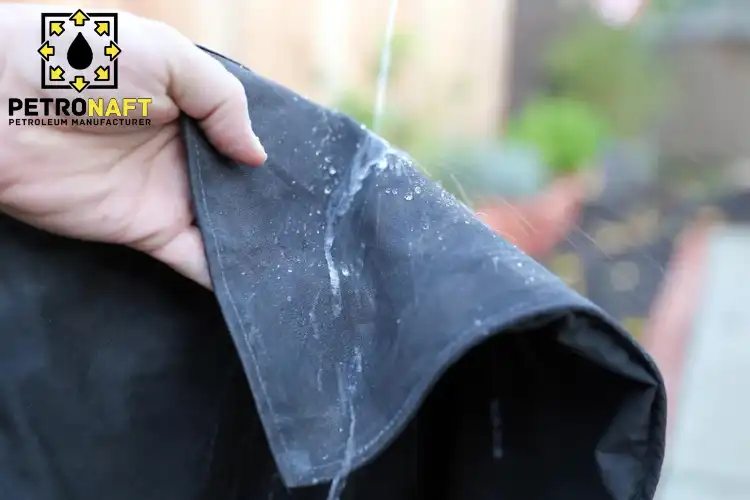
Paraffin Wax for Waterproofing works by melting wax into (or onto) a surface so it cools into a water-shedding barrier. It’s ideal for wood handles, paper packaging, match heads, cordage, and waxed canvas—where you want quick moisture resistance. It’s not a substitute for exterior coatings on sun-exposed structures or high-heat areas.
If you’ve ever grabbed a damp rope, opened a soggy cardboard box, or watched water darken unfinished wood, you’ve already met the problem paraffin solves. Done right, wax waterproofing is fast, affordable, and surprisingly durable for the “right” materials.
Highlights & Key Sections
What paraffin wax does (and what it doesn’t)
Paraffin wax is a blend of saturated hydrocarbons that naturally resists water. When you heat it and let it soak in—or smooth it over a surface—it cools into a continuous film that blocks liquid water and slows moisture absorption.
It works best when:
- The material has pores or fibers the wax can penetrate (wood grain, paper fibers, cotton canvas)
- The item doesn’t face constant UV sunlight, abrasion, or high temperatures
- You can reapply occasionally (maintenance is part of the deal)
It struggles when:
- Sun and heat soften the wax (hot cars, rooftops, summer decks)
- Flexing cracks the film (very stretchy fabrics)
- Abrasion scrapes it away (high-wear soles, heavy outdoor flooring)
Paraffin Wax for Waterproofing: uses that actually work
Below are practical, proven applications where paraffin delivers strong “value per minute”:
- Wood handles & tools: sheds rain and humidity, improves grip feel
- Paper, cardboard, and labels: reduces wicking and edge swelling
- Rope/cordage: lowers water pickup and helps prevent freezing stiff
- Match heads & fire starters: improves moisture tolerance
- Waxed canvas projects: classic water resistance for bags, covers, and aprons
- Light leather conditioning (select cases): quick water beading (with caveats)
Quick-fit table: best materials for paraffin waterproofing
| Material / Item | Suitability | Best method | Notes you’ll be glad you knew |
|---|---|---|---|
| Unfinished wood (handles, small parts) | High | Warm + soak, then buff | Deep penetration improves durability. |
| Cardboard edges / paper labels | High | Brush/roll thin melt | Thin coats reduce warping. |
| Cotton canvas (waxed fabric) | Medium–High | Rub-on + heat set | Breathability drops; reapply as needed. |
| Rope/cord (natural fibers) | Medium | Dip + drip-dry | Too much wax makes it stiff. |
| Leather (boots, belts) | Medium | Very thin + warm buff | Test first—can darken and stiffen. |
| Painted/finished wood | Low–Medium | Light surface coat | Adhesion varies; can look patchy. |
| Plastics, glossy coatings | Low | Usually not recommended | Poor bonding; flakes off. |
Benefits you can expect (plus the honest limitations)
Benefits
- Immediate water beading: the surface sheds droplets instead of absorbing them
- Fast application: many items take 10–30 minutes start to finish
- Low cost per unit: especially for industrial or bulk use
- Repairable finish: you can spot-fix scratches and thin areas
- Good vapor moderation: slows moisture pickup without needing harsh solvents
Limitations
- Heat sensitivity: wax softens at moderate heat, so location matters
- Lower abrasion resistance: friction wears it away over time
- Aesthetics can change: darkening on porous materials is common
- Not a structural outdoor coating: it won’t replace long-life exterior systems
Choosing the right wax (this is where pros win)
Not all paraffin behaves the same. If you want consistent waterproofing, treat wax selection like a spec—not a guess.
What to look for
- Refining level: more refined wax tends to be cleaner in color and odor and feels less oily.
- Oil content: lower oil content generally means a drier feel and better scuff resistance.
- Melting range: higher melting wax resists softening better but can be harder to apply evenly.
- Form factor: pastilles/pellets melt faster; slabs can be cheaper for high-volume use.
- Documentation: ask for a simple product data sheet and a certificate of analysis for each lot.
A practical buying tip
If your use is packaging, paper, or consumer goods, prioritize cleanliness (color/odor) and consistency.
If your use is industrial waterproofing or blends, prioritize melting behavior and penetration.
How to waterproof common items (mini tutorials)
Tutorial 1: Waterproofing unfinished wood (handles, small parts, camping gear)
Best for: tool handles, wooden mallets, small wood fixtures, wood plugs
Steps
- Dry the wood fully. If it feels cool/damp, wait—wax traps moisture in.
- Warm the wood. Use gentle heat so the pores open slightly.
- Melt wax in a safe container. Keep temperatures controlled and avoid open flames.
- Apply and feed the grain. Brush on molten wax or dip small parts.
- Heat-set lightly. Warm again so wax penetrates deeper.
- Buff the surface. Wipe excess and polish to reduce tackiness.
Real-world result: A waxed handle often resists rain and sweaty hands far better than bare wood, with a comfortable, “sealed” feel.
Tutorial 2: Waterproofing cardboard edges (boxes, tubes, displays)
Best for: edge protection, shipping corners, moisture-prone storage
Steps
- Mask where needed. Wax migrates—keep it off printed areas you must preserve.
- Apply thin coats. Use a brush/roller; avoid soaking the whole panel.
- Let each coat cool. Rapid cooling prevents warping.
- Seal the edge twice. Most water wicks in from edges, not faces.
Mini case example: Many warehouse failures come from edge wicking on pallets or cold-room condensation. Edge sealing with wax can noticeably reduce softening and crush damage.
Tutorial 3: Waxed canvas (bags, covers, aprons)
Best for: cotton canvas and tightly woven natural fabrics
Simple blend approach
- For a classic feel, many makers blend paraffin with a tougher wax to improve flexibility.
- Keep the ratio conservative at first; you can always add more paraffin later.
Steps
- Clean and dry fabric. Dirt blocks adhesion and makes streaks.
- Rub wax onto fabric. Focus on seams, folds, and high-wear zones.
- Heat-set evenly. Gentle heat melts wax into fibers.
- Cool and flex-test. If it cracks heavily, you applied too thick.
What to expect: Water beads and rolls. Breathability drops. The fabric feels firmer and slightly darker.
Tutorial 4: Rope and cordage (moisture control + freeze resistance)
Best for: natural fiber cords and utility twine
Steps
- Dip quickly, don’t soak forever. Over-waxing makes rope stiff.
- Hang to drip. Let excess fall off before it cools.
- Flex as it cools. This reduces “board-like” stiffness.
Pro tip: Waxed cord performs better when you treat it as “water-resistant utility cord,” not as climbing or safety-critical gear.
Safety and quality control (don’t skip this)
Wax waterproofing is simple, but you’re working with heat.
- Avoid open flames. Use controlled heating methods and keep a lid nearby.
- Ventilate. Gentle heat minimizes fumes; overheating is the real problem.
- Prevent burns. Molten wax sticks to skin—use gloves and long sleeves.
- Mind absorption risks. Some porous materials can “drink” wax quickly and overflow.
- Store waxed items cool. Heat can soften and transfer wax onto other surfaces.
Troubleshooting: common problems and fixes
- Sticky surface
- Cause: too much wax left on top (poor buffing)
- Fix: warm slightly, wipe, then buff dry
- White haze / bloom
- Cause: rapid cooling or wax crystallization on the surface
- Fix: gentle reheating + light buff
- Cracking on fabric
- Cause: coat too thick or fabric too flexible
- Fix: apply thinner, heat-set deeper, consider a more flexible blend approach
- Uneven dark patches on wood
- Cause: moisture differences or uneven absorption
- Fix: dry fully, pre-warm evenly, apply in smaller passes
- Poor water beading
- Cause: contamination (oil/dust) or wax not fully melted into fibers
- Fix: clean surface, reapply, and heat-set more uniformly
Maintenance: how often to reapply (rule-of-thumb)
| Application | Typical reapply trigger | Practical interval |
|---|---|---|
| Wood handles / small wooden parts | Water stops beading; surface looks dry | Every few months (heavy use) |
| Waxed canvas (bags, covers) | Wetting at folds/seams; dull, dry feel | 1–2 times per year |
| Cardboard edges / paper barriers | Soft edges or wicking returns | Per shipment/storage cycle |
| Rope/cordage | Absorbs water again or freezes stiff | Seasonally or as needed |
| Light leather water resistance | Beading drops; surface looks thirsty | Every few weeks to months |
Trends that matter right now (and why wax is back)
Two forces are pushing more interest toward wax-based barriers:
- PFAS-free waterproofing demand: many industries are actively shifting to alternative water-repellent systems for textiles and packaging, and wax-based approaches often play a role in those transition toolkits.
- Better wax technologies: modern blends (including tougher wax fractions and water-dispersible wax systems) help improve rub resistance and application consistency—especially in packaging and coated papers.
If you want Discover-friendly content and buyer-ready performance, focus on measurable outcomes: water beading, absorption reduction, reapplication intervals, and material-fit clarity.
Executive Summary & practical checklist
Paraffin Wax for Waterproofing is best when you use it on the right materials, apply it thin, heat-set it properly, and maintain it. Use this checklist to get consistent results:
- Choose a wax grade that matches your use (cleaner for consumer goods; tougher behavior for industrial blends)
- Dry the item completely before waxing
- Apply thin layers; penetration beats thickness
- Heat-set gently so wax moves into pores/fibers
- Buff excess wax to prevent stickiness and transfer
- Reapply based on beading performance—not the calendar
- Avoid high-heat and sun-baked environments where wax can soften
FAQ
1) Does paraffin wax make something fully waterproof or just water-resistant?
It usually makes items water-resistant, meaning water beads and absorption slows. Prolonged soaking, abrasion, and heat can still defeat the barrier, especially on flexible or high-wear items.
2) Will paraffin waterproofing work on outdoor decks or structural wood?
It’s not ideal for sun-exposed structural applications. Heat and UV-driven wear reduce durability quickly. For long-term exterior protection, use coatings designed for outdoor exposure.
3) Can I use paraffin wax on leather boots?
You can, but apply a very thin layer and test first. Paraffin can darken leather, reduce breathability, and stiffen flex points if you over-apply.
4) Is waxed canvas still breathable?
Less breathable than untreated fabric. Wax fills fibers and blocks airflow and vapor movement. That’s the tradeoff for water resistance—use it when splash/rain protection matters more than ventilation.
5) How do I remove paraffin wax if I mess up?
Warm the surface gently and blot with absorbent material. For fabrics, repeated warming and blotting helps pull wax out of fibers. Avoid overheating, and expect some darkening to remain on porous materials.
Sources
- Encyclopaedia Britannica — Reliable overview of paraffin wax composition, properties, and common uses. Paraffin wax (Britannica)
- eCFR — Regulatory listing that helps contextualize “food-grade” paraffin usage and specifications. 21 CFR 172.886 (eCFR)
- PubChem — Scientific substance records useful for understanding hydrocarbon wax chemistry and safety context. PubChem
- Kirk-Othmer Encyclopedia of Chemical Technology — Authoritative industrial reference for wax production, applications, and performance considerations. Kirk-Othmer (Wiley Online Library)