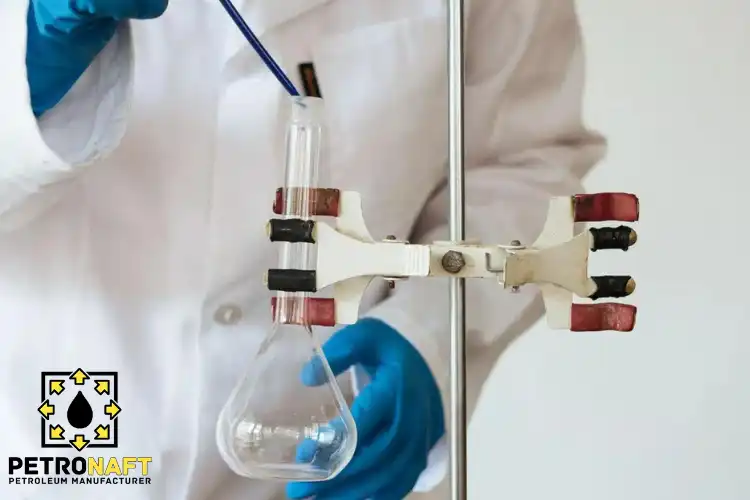
To Neutralize Caustic Soda safely, isolate the area, wear proper PPE, and titrate a weak acid into a diluted sodium hydroxide solution while monitoring pH and temperature. Go slowly—neutralization is exothermic. Stop when the mixture reaches a near-neutral pH (typically ~6–8) and handle disposal according to local rules and your site’s SDS procedures.
Highlights & Key Sections
Why caustic soda (NaOH) is tricky to neutralize
Caustic soda (sodium hydroxide, “lye”) is highly corrosive and can cause deep skin burns and severe eye damage. Neutralization is not just “adding something acidic”:
Heat is released when NaOH dissolves in water and when it reacts with acids
Splashes happen fast when the reaction is too concentrated or poorly mixed
Some metals (like aluminum) can react and create flammable hydrogen gas
The “right” approach changes based on form (solid vs solution) and scale
If you’re dealing with a large spill, unknown concentration, or an industrial setting, treat it as a controlled chemical process—not a casual cleanup.
How to Neutralize Caustic Soda: The safe, step-by-step method
Step 0 — Decide if you should neutralize at all
Neutralization is appropriate when you can control volume, mixing, heat, and pH testing. If any of these are not true, containment and professional response may be safer.
Situation
Best first move
Neutralize on-site?
Notes
Small splash on a bench/floor
Isolate + absorb/contain
Yes, usually
Use weak acid and pH checks
Solid pellets/flakes spill
Dry scoop/collect first
Sometimes
Avoid adding water directly to piles
Large spill / unknown strength
Evacuate + call EHS/response
Often no
Heat + aerosols + splash risk
On skin/eyes
Rinse with water immediately
No
Never “neutralize on the body”
In drains/plumbing
Stop use, flush only if allowed
Usually no
Pipe damage + heat + fumes risk
Step 1 — Control the scene (1–3 minutes)
Keep unprotected people away and improve ventilation.
Remove incompatible materials from the area (especially reactive metals).
Put down secondary containment if any liquid can spread (spill berms, absorbent socks).
Step 2 — Put on the right PPE (before you touch anything)
Minimum practical PPE for small-to-moderate handling:
Chemical splash goggles + face shield
Alkali-resistant gloves (rated for strong bases)
Long sleeves, chemical-resistant apron/coveralls
Closed shoes; for bigger work, chemical boots
If mist/dust is possible (spraying, high-pressure washdown, powdered lye), respiratory protection may be needed per your safety program.
Step 3 — If it’s a solution: dilute first (the splash-control step)
For a manageable amount of NaOH solution on a compatible surface:
Use cool water to gently dilute only if runoff can be contained.
Mix in a container with headspace—never to the brim.
Keep the container away from your face and torso.
Practical rule: dilution reduces localized heat and makes pH changes less violent.
Step 4 — Choose a weak acid neutralizer (not a strong acid)
Good neutralizers for controlled work are typically:
Use inert absorbent to pick up the bulk liquid first.
Prepare a citric acid solution (for example, warm water + citric acid powder, then let it cool).
Apply neutralizer slowly to the absorbed area while monitoring pH of any liquid runoff.
Re-apply until the surface wipe test shows near-neutral pH.
Why this works: you reduce the reactive liquid volume before neutralization, which sharply lowers splash and heat risk.
2) Small lab container: neutralizing a known NaOH solution
If you know volume and concentration, you can plan dosing.
Example calculation:
You have 100 mL of 1.0 M NaOH → that’s 0.10 moles of OH⁻ to neutralize.
If using a weak acid, your measured pH will tell you when you’re done, but planning helps prevent overcorrection. Add acid in stages, mix, then test. Stop around your required pH range.
Mini workflow
Dilute the NaOH solution (e.g., add it into a larger volume of water, controlled).
Add neutralizer slowly with stirring.
Confirm pH, then adjust in very small increments.
3) Soapmaking cleanup: leftover lye film in buckets/tools
For thin residues (not bulk liquid):
Rinse with plenty of water first (if safe and allowed).
Use a mild acid rinse (often diluted vinegar) only after bulk caustic is gone.
Rinse again and allow to dry.
Key idea: don’t pour acid onto concentrated lye. Remove as much as possible mechanically/dilution-first.
Buying guide: what professionals keep on hand
If your team regularly handles caustic soda, a few smart purchases reduce both injuries and downtime.
Item
Why it matters
What to look for
Alkali spill kit
Faster, safer containment
Absorbents + compatible disposal bags
Weak-acid neutralizer
Controlled pH reduction
Clear instructions; predictable dosing
pH test strips (wide range)
Fast verification
Range covering strong base to neutral
Chemical splash goggles + face shield
Eye/face protection
True splash-rated gear
Alkali-rated gloves
Prevents burns
Verified compatibility with NaOH
Eyewash access
Critical for exposure response
Immediate availability and maintenance
Temperature check (simple IR thermometer)
Prevents overheating during neutralization
Rapid reads; easy use
Current trend worth using: more facilities are shifting to pre-engineered dosing systems (inline pH probes + controlled neutralizer feed) to neutralize CIP/wash streams safely and consistently, reducing manual handling and exposure risk.
Troubleshooting and common mistakes (quick fixes)
pH “won’t come down”: you may be under-mixing or measuring only the surface. Mix thoroughly and retest at multiple depths.
Solution heats rapidly: you’re adding neutralizer too fast or the mixture is too concentrated. Pause, cool, dilute (if allowed), then continue slowly.
Overshot to acidic: stop additions, mix, then correct gradually (often by dilution or controlled base addition if required by your procedure).
Surface still feels slippery after neutralization: residue may be sodium salts or unreacted base in porous material. Repeat rinse/test cycles.
Disposal and environmental considerations
Neutralized doesn’t automatically mean “safe to pour out.” Disposal depends on:
Your local regulations
The final pH
Contamination (metals, oils, solvents, process residues)
Whether it’s a solid waste (absorbents) or liquid waste
Good practice steps:
Record approximate starting concentration (if known), neutralizer used, and final pH.
Keep neutralized waste in compatible containers, labeled clearly.
For industrial sites, route to approved wastewater treatment processes and document the pH results.
Executive Summary Checklist
Use this as your “do it right every time” list:
Isolate the area; remove incompatible materials
Wear splash PPE (goggles + face shield, alkali-rated gloves, protective clothing)
Contain first; collect solids before adding any liquid
Dilute manageable solutions before neutralizing
Use a weak acid or a purpose-made alkali neutralizer
Add neutralizer slowly with continuous mixing
Monitor temperature and pH repeatedly (multiple points)
Stop at your required pH range and label the waste
Dispose per SDS/site rules and local regulations
When done correctly, you can Neutralize Caustic Soda safely without violent heat spikes, splashing, or guesswork.
FAQ
1) Can I neutralize caustic soda with vinegar?
Yes for small residues or small, controlled volumes. Vinegar is a weak acid, so it’s safer than strong acids, but it may require a lot of volume and still produces heat—add slowly and verify pH.
2) Is it safe to neutralize NaOH on skin if it splashes?
No. The correct first aid is immediate flushing with plenty of water and medical evaluation as needed. “Neutralizing on the body” can worsen burns due to heat and secondary reactions.
3) What pH should I aim for after neutralization?
A common practical target is near-neutral (often ~6–8), but the correct range depends on your local discharge limits and site procedures. Always measure pH after mixing thoroughly.
4) Can I use hydrochloric or sulfuric acid to neutralize faster?
It can work chemically, but it’s usually not the safest choice. Strong acids can cause rapid heat release, splashing, and corrosive fumes—weak acids or engineered neutralizers are typically safer for manual handling.
5) Why does neutralization get hot even if I add “just a little” acid?
Because dissolving NaOH and the acid–base reaction are both exothermic. Concentration, poor mixing, and adding too quickly can create hot spots that spike temperature and increase splash risk.