ARTICLES AND NEWS

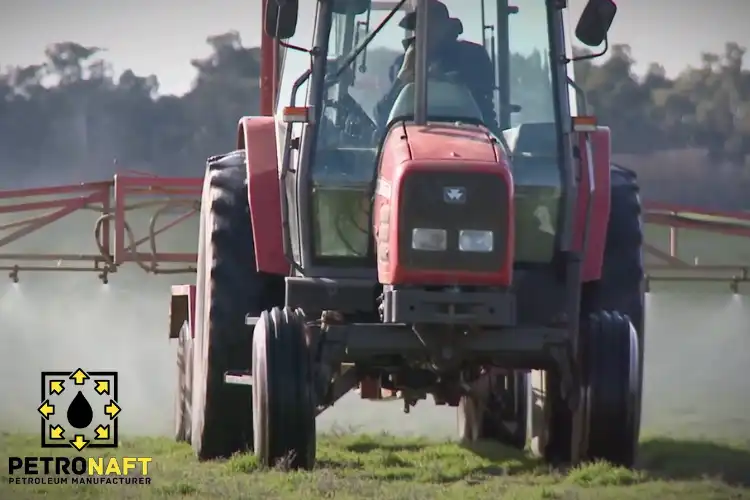
Tractor spreading Caustic Soda for Agriculture on a farm
Article

Caustic Soda for Agriculture: Uses, Benefits, and Safety

Caustic Soda for Agriculture is most useful as a process chemical for sprayer cleanout, equipment cleaning, controlled pH adjustment, and selected specialist applications. This article explains where it delivers real operational value, where it is the wrong choice, what buyers should verify before ordering, and which safety practices matter most for farms, processors, and agricultural service companies.
Read More »
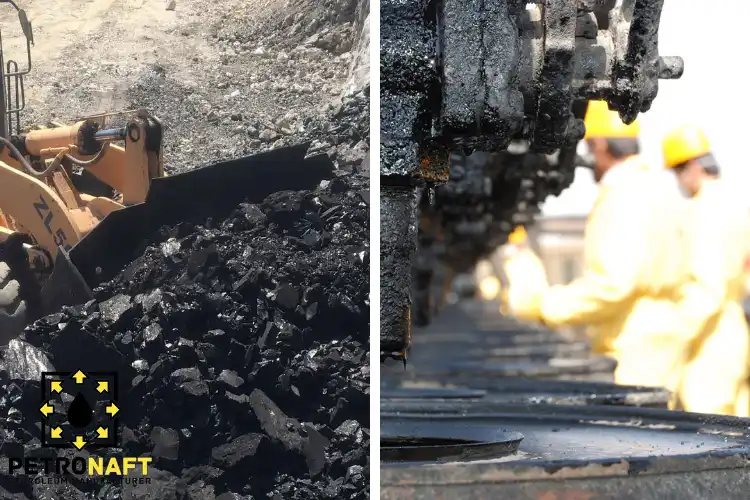
Comparative image showing the difference between Bitumen and Gilsonite
Article

Bitumen vs. Gilsonite: Differences, Properties, and Uses

Bitumen vs. Gilsonite is not a simple better-or-worse comparison. This article explains the real difference between them, how their properties affect performance, where each material fits best, and how buyers, engineers, and general users can choose the right option for paving, specialty coatings, and drilling applications with fewer mistakes.

Read More »
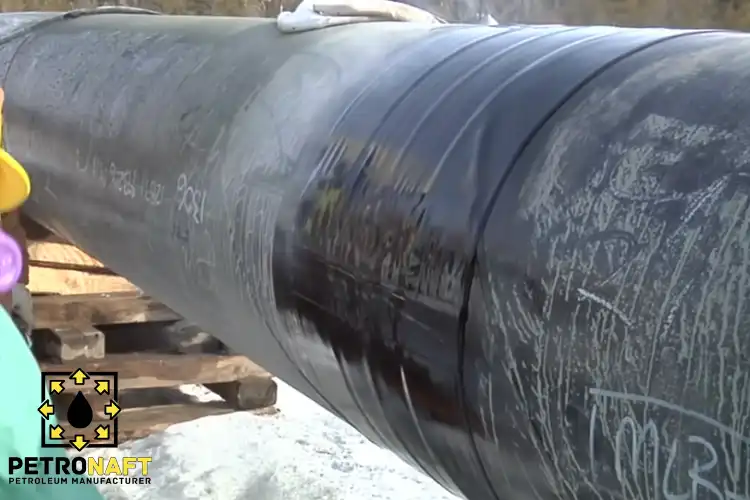
Large pipe insulated with Gilsonite Powder for Coatings
Article

Gilsonite Powder for Coatings: Benefits, Uses & Applications

Gilsonite Powder for Coatings can improve hardness, moisture resistance, film body, and black color depth in dark industrial and protective formulations. This article explains where it works best, where it underperforms, how formulators test it, and what buyers should check before choosing a grade for primers, waterproofing systems, and maintenance coatings.

Read More »
Caustic Soda Specifically for Soap Making in a soap manufacturing factory
Article

Caustic Soda for Soap Making: Guide to Purity, Uses & Safety

This guide explains how to choose, store, handle, and use Caustic Soda for Soap Making with better safety and more consistent results. It covers purity, packaging, buying criteria, common mistakes, compliance points, and practical workflow advice for hobby makers, workshops, and commercial soap producers.

Read More »
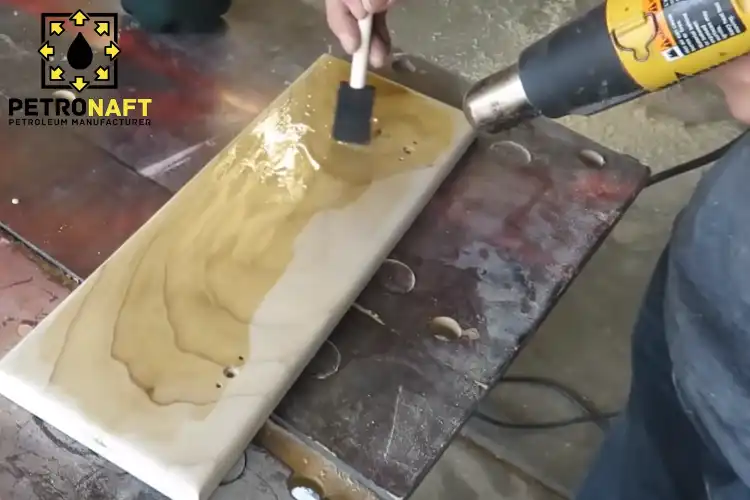
Applying Paraffin Wax for Woodworking on wood
Article

Paraffin Wax for Woodworking: Uses, Benefits & How to Apply

Paraffin Wax for Woodworking is a practical guide to using paraffin as a dry shop lubricant for drawers, screws, hand tools, jigs, and machine contact surfaces. It explains where wax adds real value, where it can create problems for finishing or gluing, how to apply it correctly, and what buyers should look for when choosing a simple, reliable workshop wax.

Read More »
Coating golf club with Petroleum Jelly for Coatings
Article

Petroleum Jelly for Coatings: Uses, Benefits & Applications

Petroleum Jelly for Coatings is best understood as a flexible barrier material used in corrosion control, sealing, and specialty maintenance systems. This article explains where it performs well, where it falls short, how to choose the right grade, and how buyers can use it more effectively in industrial and commercial applications.

Read More »
Race track using Polymer Modified Bitumen for Race Tracks
Article

Polymer Modified Bitumen for Race Tracks: Performance & Durability

Polymer Modified Bitumen for Race Tracks is the preferred choice for circuits that need stable grip, strong rut resistance, and longer surface life under heavy braking and high-speed loading. This article explains how PMB works, where it delivers the biggest performance gains, how to specify it correctly, and what buyers should check before approving a race-track surfacing project.

Read More »
Large bridge on highway using PG Bitumen for Bridges
Article

Performance Grade Bitumen for Bridges: Benefits & Applications

Performance Grade Bitumen for Bridges helps bridge owners and contractors choose a binder that matches climate, traffic, and waterproofing needs. This article explains the main benefits, practical applications, buying criteria, and specification logic behind PG binders so readers can make better technical and commercial decisions with less risk of premature deck failure.

Read More »
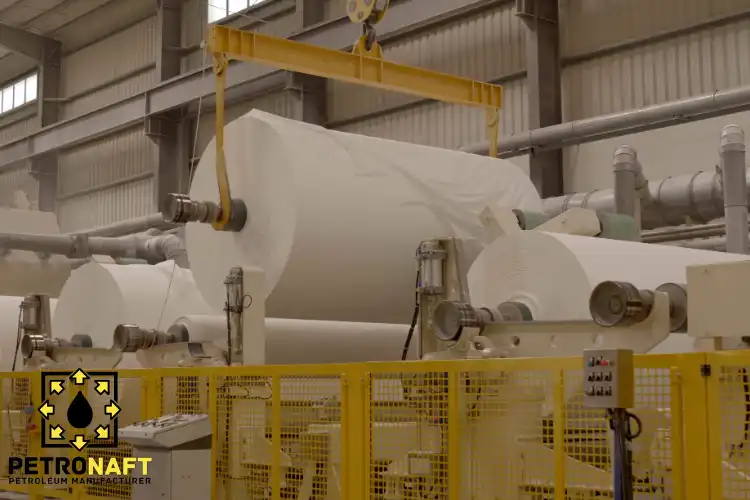
Paper mill factory utilizing Emulsion Paraffin for paper industry
Article

Paraffin Wax Emulsion for Paper Industry: Uses & Benefits

Paraffin Wax Emulsion for Paper Industry helps paper and paperboard achieve better moisture resistance, grease holdout, and overall barrier performance through a water-based coating approach. This article explains how it works, where it fits best, how to choose the right grade, what problems to avoid, and which technical checks matter before commercial use.

Read More »
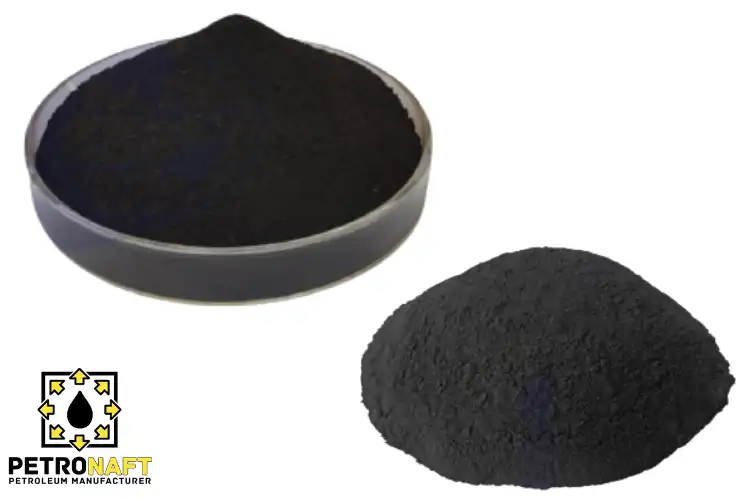
some gilsonite powder
Article

Gilsonite Powder: Properties, Uses & Applications

Gilsonite Powder is a high-value natural asphaltite used in asphalt modification, drilling fluids, inks, coatings, and other industrial systems. This article explains its core properties, practical applications, buying criteria, and performance trade-offs in clear, professional terms so manufacturers, procurement teams, and technical users can make smarter decisions.

Read More »
Road marking machine using Polyethylene Wax for Road Marking Paints
Article

Polyethylene Wax for Road Marking Paints: Benefits & Uses

Polyethylene Wax for Road Marking Paints helps improve application stability, abrasion resistance, surface cleanliness, and overall line durability. This article explains how it works, which grades suit different systems, how to test it correctly, and what buyers and formulators should check before choosing a supplier or approving a formulation.

Read More »
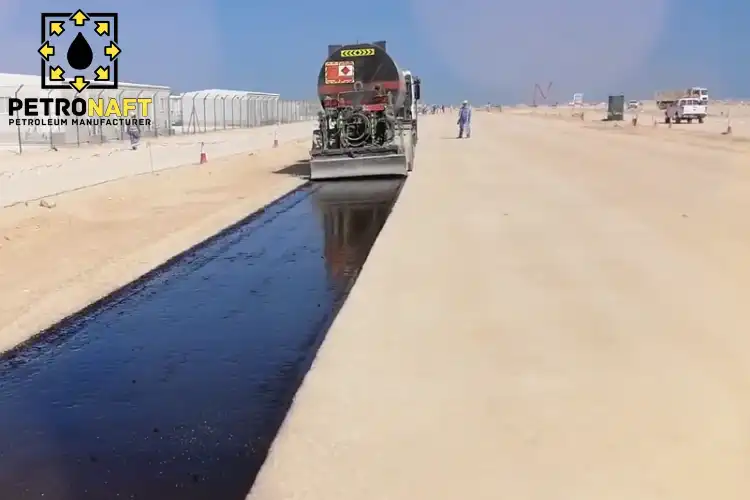
Asphalt sprayer machine on road using Cutback Bitumen for Prime Coat and Tack Coat
Article

Cutback Bitumen for Prime Coat and Tack Coat: Uses & Grades

Cutback Bitumen for Prime Coat and Tack Coat is not a one-size-fits-all solution. This article explains where cutback still performs well, which grades fit different base conditions, how prime differs from tack, and why many modern specifications now favor emulsions for tack work. It also includes practical rate tables, buyer tips, and a clear selection checklist.

Read More »