


Soda Ash For Metal Refining
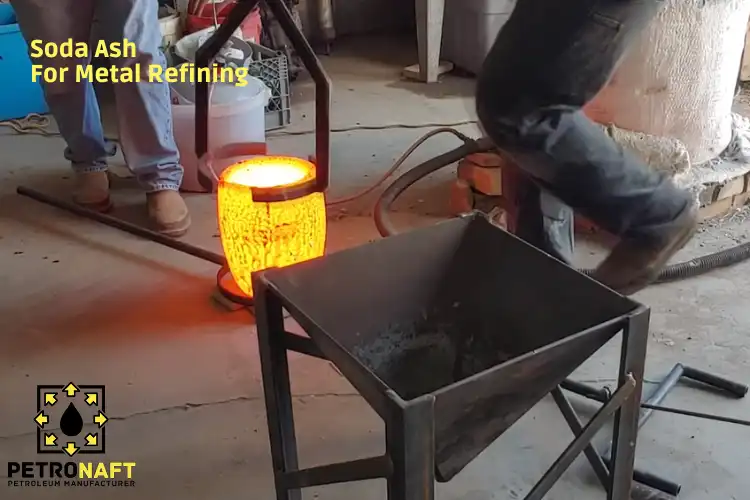
Soda ash for metal refining stands as a testament to innovation meeting necessity. This comprehensive guide delves deep into its myriad applications, elucidating why it’s heralded as the backbone of modern metallurgical processes.
VG Bitumen for Waterproofing: Suitability, Grades & Selection Guide

A practical technical guide to VG bitumen for waterproofing, explaining why VG10, VG20, VG30 and VG40 are paving viscosity grades, when a VG binder can be used as a formulation feedstock, when waterproofing-specific asphalt or oxidized/polymer-modified systems are more appropriate, and how to specify QC, membrane tests, procurement requirements and safe hot handling.
Bitumen for Cold Climates: Grades, Thermal Cracking & Selection Guide

A practical engineering guide to bitumen selection for cold climates, covering minimum pavement design temperature, Performance Grade low-temperature requirements, BBR stiffness and m-value, PAV aging, thermal cracking, penetration and viscosity grading, polymer modification, recycled materials, mixture cracking tests, procurement and QC.
Bitumen for Hot Climates: Grades, Rutting Resistance & Selection Guide

A practical engineering guide to bitumen selection for hot climates, covering pavement design temperature, traffic speed and loading, Performance Grade and MSCR, viscosity and penetration grades, polymer modification, rutting and bleeding risks, mixture validation, procurement specifications and quality control.
PE Wax for Textile Processing: Uses, Benefits & Selection Guide

A practical technical guide to polyethylene wax in textile processing, covering yarn and thread lubrication, fabric smoothing and sewability, raw PE wax versus oxidized PE wax and emulsions, ionic compatibility, grade selection, active-solids dosing, laboratory qualification, procurement specifications and troubleshooting.
Sulfonated Asphalt for Drilling Fluids: Fluid-Loss Control & Shale Stability

A practical technical guide to sulfonated asphalt in drilling fluids, covering shale-stability mechanisms, API and HTHP filtration, treatment ranges, mud compatibility, laboratory qualification, product specifications, field troubleshooting, procurement and safe handling.
Caustic Soda in Pulp & Paper: Uses, Benefits & Safety

A practical technical guide to sodium hydroxide in pulp and paper manufacturing, covering kraft and soda pulping, oxygen delignification, alkaline extraction, chemical recovery, product forms, quality specifications, dosing calculations, procurement and safe handling.
Oxidized Bitumen for Waterproofing Membranes: Grades, Properties & Selection Guide

Oxidized bitumen can provide heat stability and flow resistance in waterproofing membranes, but the correct grade depends on softening point, penetration, viscosity, climate, reinforcement, formulation and finished-sheet testing.
Paraffin Wax for Food Industry: Uses & Food-Grade Requirements
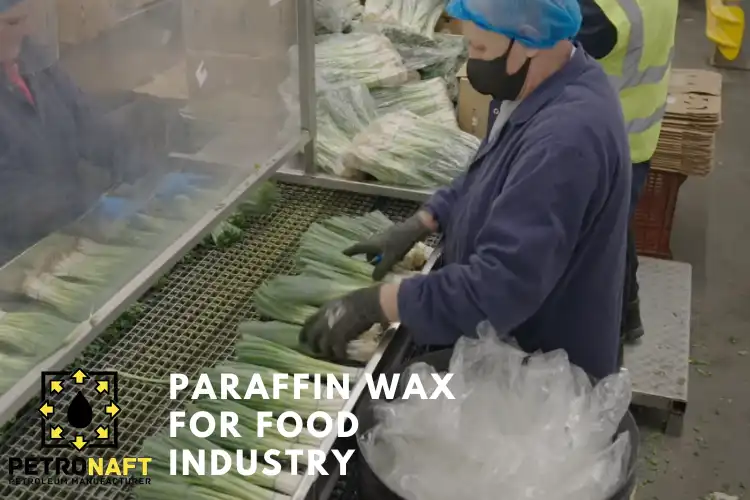
Paraffin Wax for Food Industry applications require more than a basic wax specification. This article explains where paraffin wax is used in food coatings, packaging, and regulated processing systems, how food-grade requirements differ from industrial grades, and what buyers should verify before purchasing. It also covers safety considerations, documentation needs, technical properties, and a practical checklist for procurement and quality teams.
Top Bitumen 60/70 Manufacturers and Suppliers Worldwide: 2026 Buyer’s Guide

Compare leading Bitumen 60/70 manufacturers and suppliers using official product evidence, verified contact routes and a practical buyer checklist. Review company roles, quality documents, inspection controls, packaging, logistics and a copy-ready RFQ before placing an order.
Liquid Paraffin for Rubber
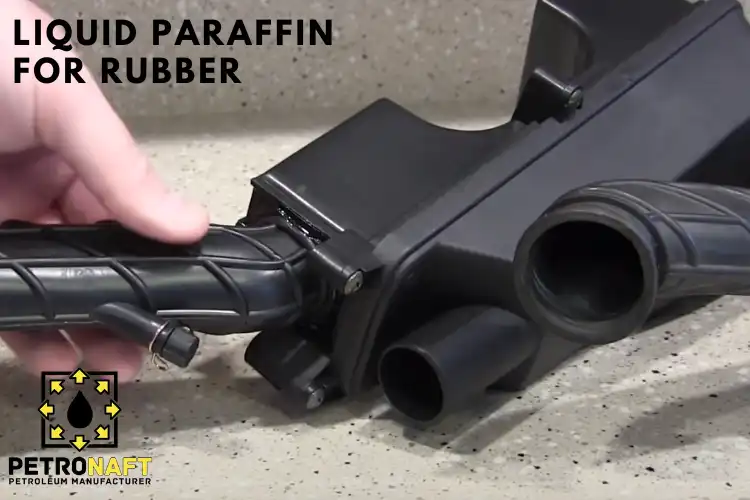
Liquid Paraffin for Rubber can reduce compound viscosity, assist filler incorporation, and modify hardness or flexibility, but grades are not universally interchangeable. This article explains how commercial terminology differs from technical identity, how compatibility varies among elastomers, which oil properties matter in purchasing specifications, and how to validate dosage, cure behavior, migration, aging, safety, and application-specific regulatory suitability.
Emulsion Bitumen for Cold Mix Asphalt: Uses & Benefits
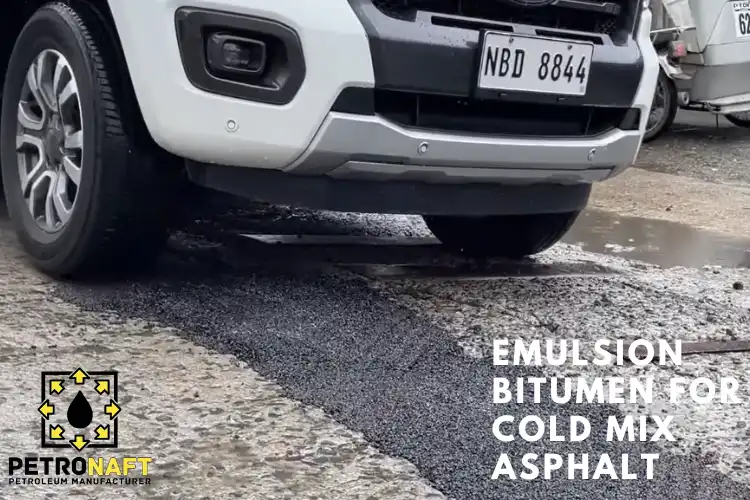
Emulsion Bitumen for Cold Mix Asphalt is a practical binder system for maintenance work, low-volume roads, stockpile patching, and some recycling applications. This article explains how it works, where it fits, its main benefits, and how engineers and procurement teams can evaluate aggregate compatibility, moisture behavior, curing needs, and specification compliance before selecting a formulation.