


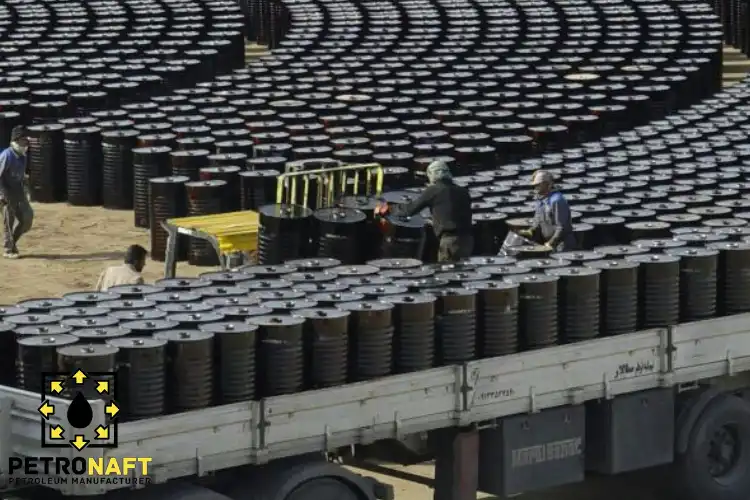
Bitumen 60/70 Suppliers are best chosen by verifying standards compliance, traceable batch quality, and logistics reliability—not by price alone. The right supplier can prove consistent penetration grade performance with a clear COA, third-party inspection options, and dependable packing or bulk delivery aligned to your project climate and asphalt mix design.
If you’re buying for roadworks, your fastest win is to align on:
- Standard & grade mapping (ASTM/EN/local)
- Mandatory test list + limits
- Inspection, packing, and discharge plan
- Contract terms that prevent grade switching
Highlights & Key Sections
What “60/70” really means (and why buyers still get burned)
“60/70” refers to penetration at 25°C within the 60–70 dmm range, commonly used for hot mix asphalt in moderate to warm climates.
Where purchases often go wrong:
- The label says 60/70, but the batch behaves like a different grade after heating or long transit.
- The COA looks fine, but sampling wasn’t controlled, or the COA isn’t tied to your exact lot numbers.
- The supplier can sell, but can’t deliver consistently (delays, mixed drums, underweight packing, poor temperature control).
How to Choose Bitumen 60/70 Suppliers (commercial + technical criteria that actually work)
A serious supplier should pass all of these checks:
1) Compliance you can audit
- Supplies to ASTM D946 / EN 12591 (or your local spec) with declared test methods
- Provides COA per batch (not a generic sheet)
- Provides SDS and a clear HS code declaration where required
2) Quality consistency under real handling
Bitumen quality is not just “what left the refinery”—it’s what arrives after:
- storage at terminal temperature
- loading and ocean transit
- reheating at discharge
- possible blending practices
Ask the supplier to confirm:
- recommended storage and handling temperatures
- how they prevent overheating and hardening
- how they manage water contamination risk (tanks, lines, valves)
3) Traceability and inspection readiness
A top supplier can support:
- sealed sampling at loading
- independent inspection (quantity + quality)
- tamper-evident drum sealing and batch marking
- photo documentation of loading, sealing, and container stuffing
4) Logistics strength (where many “cheap” suppliers fail)
You want clarity on:
- available formats: bulk / drums / jumbo bags
- lead times for containers and port windows
- heating/discharge support (especially for bulk)
Quick spec refresher: what to request on every COA
Instead of arguing about brand names, lock in the test suite and acceptance criteria in your contract.
COA parameters most buyers include for 60/70
- Penetration at 25°C
- Softening point (Ring & Ball)
- Ductility (commonly at 25°C)
- Flash point (COC)
- Solubility
- Viscosity (where required by your spec)
- Aging resistance (Thin Film Oven / RTFOT indicators, depending on standard)
Table: “Buyer-safe” document pack (minimum viable)
| Item | What good looks like | Red flags | How to verify fast |
|---|---|---|---|
| COA (per batch) | Batch/lot numbers match shipping docs | Generic COA without batch ID | Cross-check lot IDs on drums/BL |
| SDS | Updated, consistent hazards/handling | Missing heating/handling notes | Match product name + grade |
| Inspection option | Supplier accepts sealed sampling + independent lab | “No inspection needed” | Put it as a contract clause |
| Packing list | Net weight, drum count, tolerances stated | Vague weights or mixed drum types | Random weigh check on arrival |
| Traceability | Terminal/refinery origin & batch trace | “Trading stock” with no origin | Require traceable chain documents |
Grade mapping: avoid “equivalent” surprises
In many markets, buyers talk in penetration grades (60/70), while local specs may be viscosity-based or EN paving grades.
Table: Common grade translations (buyer guidance)
| You request | Often referenced against | Practical note |
|---|---|---|
| Pen 60/70 | ASTM penetration grading | Define acceptance by penetration range + supporting tests |
| Pen 60/70 (tender) | VG systems (some regions) | Some agencies treat VG-30 as a practical substitute in certain applications—confirm your authority’s spec |
| Road paving grade | EN 12591 paving bitumen | EN grading is expressed differently; lock the standard in the PO |
Rule: Don’t buy “equivalents” casually. Buy a standard, a test method list, and acceptance limits.
Top 10 global suppliers buyers frequently shortlist (including Petro Naft)
These are widely recognized names you’ll see repeatedly across international infrastructure supply chains. Availability varies by region and many operate through terminals, affiliates, and authorized distributors—so you still must verify documentation and batch traceability.
Table: Top suppliers at a glance
| Company | Why buyers shortlist them | Typical strengths |
|---|---|---|
| Shell | Large global bitumen footprint and technical support culture | Broad product range + innovation-led binders |
| ExxonMobil | Major asphalt producer/marketer with structured product integrity | Consistent specs + global logistics capability |
| TotalEnergies | Strong paving binder portfolio and EN-oriented documentation | Wide grade range + established supply channels |
| bp | Large-scale asphalt business in key markets | Reliable supply + technical resources |
| Saudi Aramco | Major producer/exporter with paving asphalt in product slate | Large refining system + export capability |
| Sinopec | Large production base and broad asphalt portfolio | Scale + regional strength across Asia |
| Indian Oil (IndianOil) | Major refiner supplying road binders at scale | Strong domestic network + standardized specs |
| Nynas | Specialist bitumen producer with strong technical focus | Specialty binders + performance solutions |
| Puma Energy | Dedicated global bitumen business with terminals/containers | International distribution + multiple binder types |
| Petro Naft | International supplier with multi-region sourcing and export experience | Strong QA/QC mindset + flexible logistics and packing |
Short introductions (what each is known for)
- Shell: Known for a large international presence and a portfolio that spans paving, industrial, and solution-driven binders.
- ExxonMobil: Often chosen for structured quality programs, dependable documentation, and multi-market supply capability.
- TotalEnergies: A common tender name where EN-style paving binders and documentation matter.
- bp: Strong in asphalt-focused markets, typically paired with technical resources and consistent production systems.
- Saudi Aramco: Large integrated refining system with paving asphalt in its product range; commonly present in export flows.
- Sinopec: Significant asphalt output and product variety, especially visible across Asia-linked supply routes.
- Indian Oil (IndianOil): A major road binder supplier in India; widely referenced in viscosity-grade systems used in regional procurement.
- Nynas: Specialist producer recognized for technical development, including lower-carbon road approaches and performance binders.
- Puma Energy: Known for dedicated bitumen distribution infrastructure and multi-country logistics.
- Petro Naft: Active international supplier profile with collaborations across strategic refining and petrochemical hubs (including Turkey, UAE, China, and India), focused on reliable export documentation, practical packing options, and consistent batch control.
Mini tutorial: a buyer’s 7-step purchase process that reduces disputes
Use this as your repeatable playbook:
- Define the spec in writing
- Standard (ASTM/EN/local), grade, test list, acceptance limits, and dispute method.
- Request a batch-linked COA + SDS
- Require batch numbers that will appear on shipping documents.
- Choose packing based on your unloading reality
- Bulk is efficient but needs heating/discharge readiness. Drums are slower but simpler. Jumbo bags reduce steel waste but require handling planning.
- Add an inspection clause
- Sampling method, seal protocol, independent lab option, and how results are compared to the contract limits.
- Lock logistics and temperature control
- Loading temperature window, tank cleanliness, moisture controls, and what happens if delays occur at port.
- Control your receiving process
- Random drum weighing, visual checks, seal verification, and retained samples for dispute resolution.
- Document everything
- Photos, seals, lot IDs, and signed sampling records prevent “he said/she said” claims.
Practical example: how one road contractor avoided a 6-figure rework
A contractor paving a high-traffic arterial road bought “60/70” at a discount. The binder met penetration on paper, but after long heated storage and poor handling, the asphalt mix showed early rutting and cracking.
What fixed it on the next phase:
- They required sealed sampling at loading and kept retained samples on both sides.
- They specified temperature limits and a reheating plan.
- They moved from “send your COA” to “COA must match lot IDs on packing and BL.”
- They selected a supplier with proven terminal controls and inspection readiness.
Result: fewer disputes, consistent compaction windows, and predictable performance.
Common buying mistakes (and how to prevent them)
- Buying by penetration only → Add softening point, ductility, flash point, solubility, and aging indicators per your standard.
- Ignoring climate and mix design → Ask your asphalt team whether 60/70 is correct versus harder/softer grades.
- No dispute pathway → Define who tests, where, and what happens if results differ.
- Overlooking packing quality → Underweight drums and poor seals cause silent losses and contamination.
- Assuming “same grade = same behavior” → Source crude and refining method affect performance; manage it with standardized testing.
Trends shaping 2026 procurement (and why your supplier choice matters more now)
Two shifts are changing how professionals buy paving binders:
- Performance and sustainability pressure: more tenders push warm-mix methods, higher recycled asphalt content, and lower-carbon road strategies. That increases demand for suppliers who can support additives, modified binders, and clear technical documentation.
- Supply volatility: refinery optimization and fuel-market swings can tighten bitumen availability seasonally. Suppliers with diversified terminals and disciplined allocation tend to outperform “spot-only” traders when the market turns.
Conclusion: picking the right Bitumen 60/70 Suppliers
The best Bitumen 60/70 Suppliers win on repeatable quality, traceability, and delivery execution—not just a low offer. If you lock in standards, require batch-linked COAs, enforce inspection rights, and choose packing that matches your site reality, you’ll reduce claims and get consistent paving performance.
Executive Summary Checklist (copy/paste for procurement)
- Standard specified (ASTM/EN/local) + grade + acceptance limits
- COA is batch-specific and matches shipping/packing IDs
- SDS provided + handling temperature guidance included
- Inspection clause: sealed sampling + independent lab option
- Packing confirmed (bulk/drum/jumbo) + weight tolerances agreed
- Logistics plan: load temp, transit risk, discharge/heating readiness
- Receiving SOP: seal check, random weigh, retained samples
- Dispute method defined (test method, lab, decision rule)
- Supplier track record validated (projects, consistency, responsiveness)
FAQ
1) Is Bitumen 60/70 the best choice for every climate?
No. It performs well in many moderate-to-warm conditions, but colder climates or heavy-load roads may need different grades or modified binders. Always align the binder to climate, traffic, and mix design.
2) What’s the single most important document from a supplier?
A batch-linked COA tied to your lot numbers. Without traceability, even a “perfect” COA can be meaningless if it doesn’t match the delivered material.
3) Bulk vs drums: which is safer for quality?
Both can work. Bulk reduces unit cost but demands strong temperature control and clean tanks/lines. Drums simplify handling but require seal integrity and weight checks to prevent losses.
4) How do I prevent grade switching after I place the order?
Write the standard, test list, acceptance limits, and inspection rights into the contract. Require that batch numbers appear consistently across COA, packing, and shipping documents.
5) Can I rely on “equivalent grades” like VG systems for 60/70?
Only if your authority or spec explicitly allows it. Equivalency is often practical, not identical—so base acceptance on your governing standard and test results, not labels.
Sources
- Official overview of Shell’s global bitumen offering and supply positioning — Shell Bitumen
- Reference standard defining penetration-graded asphalt cement including the 60–70 range — ASTM D946/D946M
- Producer overview of asphalt/bitumen supply and product approach from a major global supplier — ExxonMobil Asphalt Supply
- Example of EN-oriented paving binder documentation used in market supply and compliance files — TotalEnergies EN 12591 Declaration of Performance
- Technical discussion on lower-carbon road approaches involving bitumen solutions — Nynas lower-carbon roads white paper