
Category: Article

liquid paraffin for rubber
Article

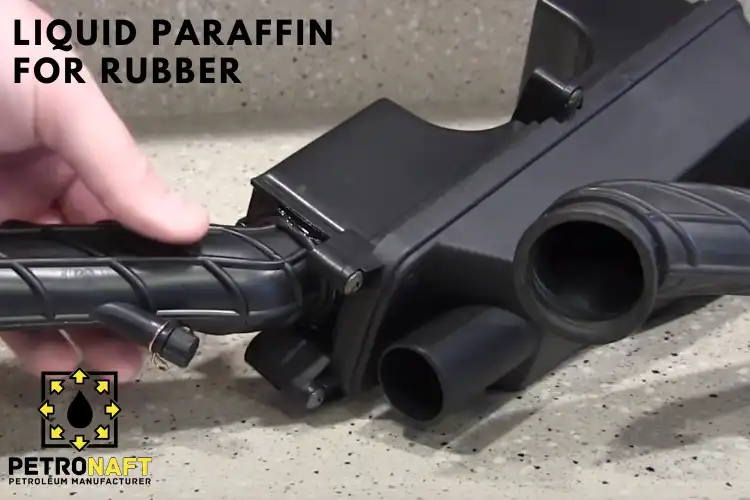
Liquid Paraffin for Rubber

Liquid paraffin for rubber stands as a transformative additive, offering a myriad of benefits. Its integration has paved the way for advanced rubber products that promise durability, flexibility, and sustainability. As we delve deeper, we’ll uncover the profound impact of this essential component on the modern rubber industry.

Read More »
Asphalt using emulsion bitumen for cold mix asphalt.
Article

Emulsion Bitumen for Cold Mix Asphalt: Uses, Benefits, and Selection Guide

Emulsion Bitumen for Cold Mix Asphalt is a practical binder system for maintenance work, low-volume roads, stockpile patching, and some recycling applications. This article explains how it works, where it fits, its main benefits, and how engineers and procurement teams can evaluate aggregate compatibility, moisture behavior, curing needs, and specification compliance before selecting a formulation.

Read More »
warehouse for vaseline bulk purchase
Article

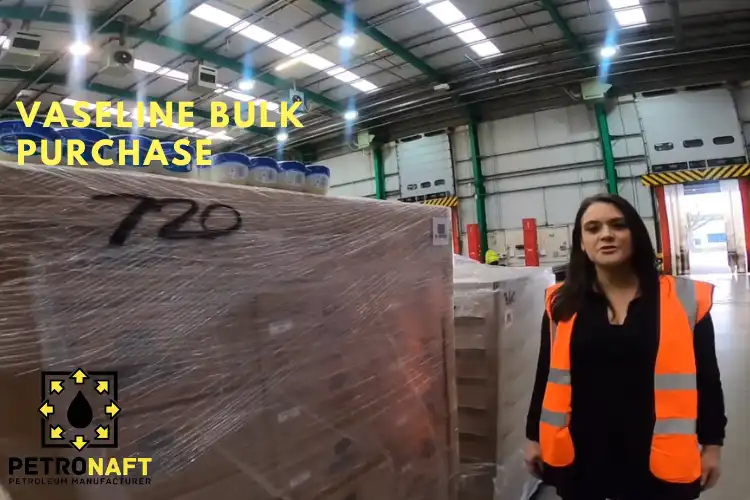
How to Buy Vaseline in Bulk: Wholesale Petroleum Jelly for Industrial and Commercial Use

Planning to buy Vaseline in bulk for manufacturing or commercial use? This guide explains how to choose the right petroleum jelly grade, define the key specifications, qualify suppliers, and avoid costly mistakes in documentation, packaging, and logistics. It is written for procurement teams, formulators, and technical buyers who need a practical, professional framework for wholesale purchasing.

Read More »
pg bitumen for waterproofing roof
Article

PG Bitumen for Waterproofing: Properties, Uses, and Grade Selection

PG Bitumen for Waterproofing is best understood through the waterproofing system it belongs to, not through PG terminology alone. This article explains the key material properties, where bitumen-based systems are used, and how buyers, engineers, and procurement teams can choose the right asphalt or modified membrane standard for a reliable specification.

Read More »
road construction with vg bitumen for road construction
Article

VG Bitumen for Road Construction: Grades, Uses and Selection

VG Bitumen for Road Construction should be chosen by specification, climate, traffic loading, and on-site workability, not by habit alone. This article explains what VG grades mean, where each grade is commonly used, which test properties matter, and how buyers and engineers can verify that a supplied batch is technically suitable for the job.

Read More »
waterproofing with blown bitumen 115/15 for waterproofing
Article

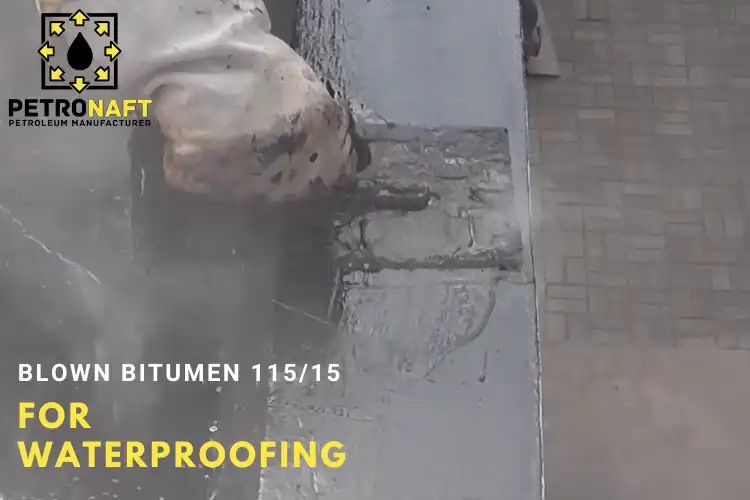
Blown Bitumen 115/15 for Waterproofing: Properties, Uses, and Specifications

Blown Bitumen 115/15 for Waterproofing is a hard oxidised bitumen grade used where waterproofing systems need higher softening point, lower penetration, and controlled hot application. This article explains what the grade means, where it is typically used, which specifications matter most, and how buyers can evaluate it more confidently before ordering.

Read More »
bitumen 80/100 for road construction
Article

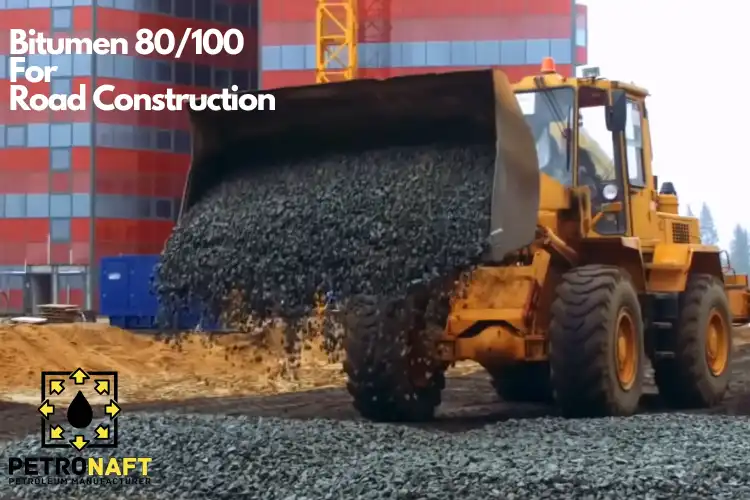
Bitumen 80/100 for Road Construction: Specifications, Uses, and Performance

Bitumen 80/100 for Road Construction is a softer penetration-grade binder used where project conditions support greater workability and flexibility. This article explains what the grade means, which specifications matter, how it compares with harder and performance-graded binders, and what engineers and procurement teams should verify before approval or purchase.

Read More »
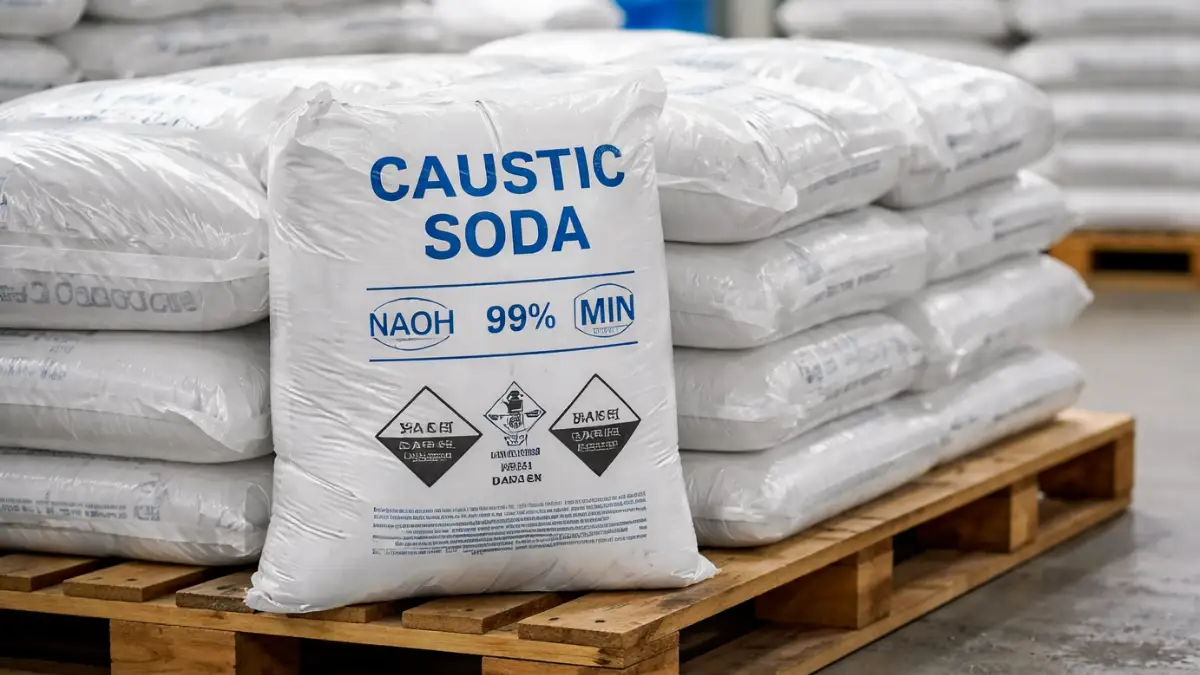
Palletized bags of caustic soda stored in a warehouse for industrial bulk supply
Article

Bulk Caustic Soda Buying Guide For Industrial Buyers

This guide explains how industrial buyers should evaluate Bulk Caustic Soda before purchase, including product form, concentration, packaging, transport, storage compatibility, safety controls, and supplier reliability. It is written to help procurement teams, engineers, and plant operators make better sourcing decisions, compare quotations fairly, and reduce technical and commercial risk.

Read More »
Container port with ships, cranes, and trucks handling cargo for industrial shipping logistics
Article

Bitumen Shipping: Transport Methods, Logistics Requirements, and Export Considerations

Bitumen Shipping requires more than arranging freight. The right transport method depends on product grade, temperature control, shipment size, and the destination’s unloading and storage capability. This article explains the main logistics requirements, export considerations, and practical checks that help buyers and suppliers reduce delivery risk and protect product quality.

Read More »
Fresh asphalt pavement being laid and compacted, illustrating asphalt binder use in road construction
Article

Asphalt Binder Types and Grades: How They Differ and Where They’re Used

Asphalt Binder selection is not just about choosing a familiar product name. It requires understanding the difference between binder type and grade, how PG classifications relate to climate and traffic, and when modified binders make technical sense. This article explains the main grading systems, where different binders are used, and how buyers and engineers can make more defensible specification decisions.

Read More »
Rolls of bitumen roofing material stacked on a flat roof, used as a protective layer in insulation systems
Article

Blown Bitumen for Insulation: Uses, Benefits, and Industrial Applications

Blown Bitumen for Insulation is typically used as a protective system component rather than the main thermal insulation layer. This article explains where it fits best, how it supports vapor control and waterproofing, what benefits and limits it has, and how engineers and buyers can decide whether it suits roofing, piping, or industrial insulation assemblies.

Read More »
Stacked solid paraffin wax slabs with pellets, liquid paraffin, and cream form illustrating different paraffin types and forms
Article

Types of Paraffin: Grades, Uses, and Applications

Types of Paraffin: this guide explains the main commercial categories, including fully refined, semi-refined, slack, liquid, and chlorinated paraffins. It focuses on the technical differences that matter in real applications, from oil content and melting behavior to compliance, formulation fit, and procurement risk, helping buyers and technical teams choose the right grade with more confidence.

Read More »