


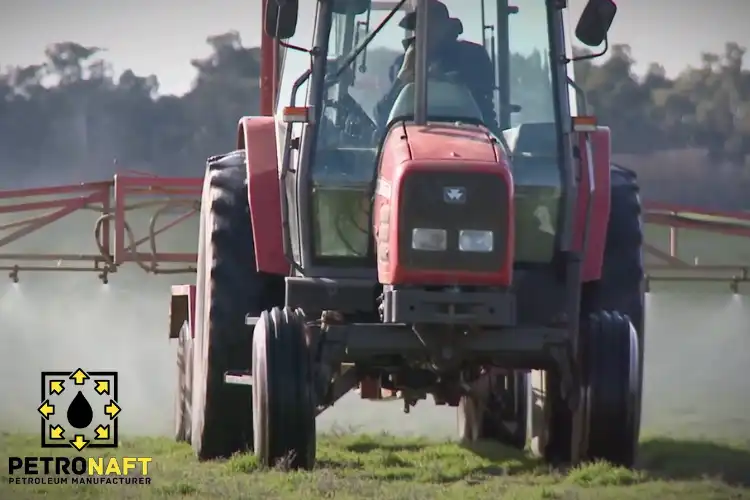
Caustic Soda for Agriculture is best used as a controlled process chemical for sprayer cleanout, heavy-duty equipment cleaning, water pH correction, and a few specialist feed or processing tasks. It is powerful and efficient, but it is not a routine field input and it requires strict dilution, rinsing, and worker-safety discipline.
A practical way to think about this topic is simple: most farms do not buy caustic soda to feed crops directly. They buy it to solve cleaning, residue-removal, sanitation, and pH-control problems that slow operations, create contamination risk, or reduce processing efficiency. That distinction matters for both search visibility and buyer trust.
- Best fit: sprayers, tanks, packhouses, dairy-style cleaning systems, and controlled process water
- Weak fit: routine open-field soil pH correction
- Biggest value: faster cleaning, lower carryover risk, tighter process control
- Biggest risk: severe burns, heat during mixing, and damage from poor rinsing or bad handling
Highlights & Key Sections
Where Caustic Soda for Agriculture Actually Fits
In real agricultural operations, caustic soda is mainly a utility chemical. It works best where strong alkalinity solves a specific operational problem: breaking down residues, lifting oily or protein-based films, raising pH in a controlled water system, or supporting a specialist treatment process. It is much less effective as a broad, catch-all farm input.
The most practical applications include:
| Application | Why it is used | Best-fit operations | Main caution |
|---|---|---|---|
| Sprayer and pesticide equipment cleanout | Strong alkalinity helps break down many acidic residues and improves residue removal | Row-crop farms, custom applicators, ag service companies | Follow cleaner label, full circulation, full rinse |
| Heavy-duty equipment and line cleaning | Removes fats, proteins, waxes, and stubborn organic films | Dairies, packhouses, agro-processors | Verify complete rinsing before reuse |
| Controlled pH adjustment | Raises pH in process or wash water when exact control is needed | Produce washers, processors, treatment systems | Use a calibrated meter and dose slowly |
| Crop-residue or feed pretreatment | Can improve digestibility of low-quality straw in specialist systems | Livestock operations with technical oversight | Sodium load and handling complexity |
| Plant-material extraction or processing | Useful in selected processing and extraction workflows | Processors and formulators | Check regulatory and certification limits |
Benefits Buyers Actually Pay For
The first benefit is speed. Caustic soda works fast when the problem is alkaline-cleanable residue. That matters when a sprayer, tank, or processing line cannot stay offline for long.
The second benefit is cleaner changeover. In modern farm operations, water alone does not reliably remove every herbicide residue, and residues can remain in hoses, screens, and fittings. That is why alkaline cleaning protocols still matter when operators switch between sensitive crops or products.
The third benefit is controlled pH lift. In wash or process water, operators sometimes need to raise pH rather than lower it. Here, caustic soda becomes a measured process input. The value is not adding more chemistry. The value is stable sanitizer performance and repeatable water conditions.
The fourth benefit is process efficiency in specialist feed systems. In selected technical livestock applications, alkali treatment can improve straw digestibility. This is not a casual farm task, but it can offer real value when ration design, sodium management, and wastewater handling are already under control.
Real examples
Example 1: Sprayer turnaround before a sensitive crop
A custom applicator finishes a herbicide job, then needs to switch to a crop with low tolerance for carryover. A plain water rinse removes most loose residue, but not all trapped material. A proper alkaline cleaner circulated through valves, screens, and hoses with enough dwell time sharply lowers the risk of the next crop being damaged by leftover residues.
Example 2: Wash-water pH correction in a produce line
A packhouse uses chlorinated water and needs the pH brought back into the right operating window. Here, caustic soda becomes a measured process tool. The result is better chemistry control, more reliable sanitation, and less guesswork on the line.
Example 3: Straw upgrading in livestock feeding
A livestock operation wants to extract more feeding value from low-grade straw. Alkali treatment can help, but only when feed formulation, sodium balance, worker safety, and disposal practices are already managed properly. This is a specialist use, not a general recommendation for every farm.
When Caustic Soda Is the Wrong Tool
This is the part many articles skip: Caustic Soda for Agriculture is not usually the best answer for routine soil acidity correction.
Yes, sodium hydroxide can raise pH chemically. But agronomy is not just chemistry in a bucket. If the real problem is acidic soil in an open field, a standard liming program is usually the smarter, safer, and more economical choice.
| Question | Caustic soda | Agricultural lime |
|---|---|---|
| Raises pH fast? | Yes, very fast | Yes, more gradually |
| Adds sodium? | Yes | No |
| Safer for broad field use? | No | Yes |
| Standard agronomic choice for acidic soils? | Usually no | Yes |
| Best use case | Controlled cleaning and process chemistry | Routine soil acidity management |
That distinction creates a stronger and more trustworthy buying message:
- If the issue is residue, grease, wax, protein film, or controlled water pH, caustic soda deserves serious attention.
- If the issue is field soil acidity, start with soil testing and a lime recommendation.
Mini Tutorials
1) Sprayer cleanout workflow
- Drain the tank completely and perform the first rinse.
- Remove and physically clean screens, filters, and end caps.
- Prepare the cleaner exactly as the product label requires.
- Recirculate through all lines, valves, and return paths.
- Let the solution sit for the recommended contact time.
- Final-rinse thoroughly before the next application.
This matters because residues can stay trapped in parts that a quick flush does not fully reach.
2) Controlled pH adjustment workflow
- Measure the starting pH with a calibrated meter.
- Add the chemical slowly to moving water, not all at once.
- Allow full mixing before the next reading.
- Recheck pH and document the final result.
- Keep a written SOP for dosing, splash control, and emergency rinse response.
The goal is stable chemistry, not guesswork.
Safety Rules No Buyer Should Ignore
Sodium hydroxide is highly corrosive. It can severely damage eyes and skin, and it releases significant heat when dissolved in water. It also reacts with acids and with some metals such as aluminum, tin, and zinc. In practical terms, that means casual handling is unacceptable.
| Hazard | Why it matters | Practical rule |
|---|---|---|
| Skin and eye burns | Tissue damage can be severe and permanent | Use goggles or face shield, gloves, apron, and training |
| Heat on dilution | Mixing can splash or boil locally | Add caustic soda to water slowly |
| Mist or dust exposure | Respiratory irritation can occur | Avoid dust, control mist, ventilate well |
| Reactivity with acids and some metals | Can create dangerous reactions and equipment damage | Use compatible materials and segregated storage |
| No warning odor | You may not notice exposure quickly | Rely on SOPs, labels, and PPE, not on smell |
A practical farm rule is this: the product may be common, but the hazard is not ordinary. Keep eyewash access, site-specific handling procedures, and trained staff in place before the first drum, bag, or tote arrives.
Buying Guide for Commercial Users
Before you request a quote, define the exact use case. That one step prevents most buying mistakes.
- For sprayer cleanout: focus on cleaner formulation, residue-removal performance, and technical guidance
- For process cleaning: focus on purity, compatibility with your equipment, and rinsing validation
- For pH adjustment: focus on controlled dosing, consistent concentration, and operator safety
- For feed or specialist processing: confirm technical oversight and downstream sodium management
A smart buyer should also ask for:
- Certificate of Analysis
- Safety Data Sheet
- Packaging type and moisture protection
- Storage recommendations
- Compatibility guidance for tanks, pumps, and transfer lines
- Intended-use confirmation for organic or regulated operations
That last point matters. Some regulated systems may allow sodium hydroxide in specific handling or processing situations, but that does not mean every agricultural use is automatically permitted. The exact application still matters.
Current Trends Making This Topic More Relevant
Two current realities are pushing this subject back into focus.
First, spray programs are becoming more complex. Adjuvant-heavy mixes, dried residues, and hose retention make cleanout harder than many operators expect. That increases the value of validated alkaline cleaning methods.
Second, irrigation and fertigation systems are becoming less forgiving. Smaller emitters, water compatibility issues, and tighter sanitation expectations mean growers need better chemistry control, not rough estimates. That increases interest in process chemicals that can be measured and standardized.
Conclusion
Caustic Soda for Agriculture creates the most value when you buy it for controlled cleaning, sprayer decontamination, process-water pH management, and specialist processing tasks. It is powerful, fast, and commercially useful, but only in operations that respect dilution, compatibility, rinsing, and worker safety. If your real issue is field soil acidity, standard liming programs are usually the better agronomic answer.
Executive Summary Checklist
- Identify the exact use case before buying
- Use it mainly for cleaning, decontamination, or controlled pH work
- Do not treat it like a routine fertilizer or field soil amendment
- For sprayers, combine chemistry with physical cleaning of screens and lines
- For pH adjustment, use a calibrated meter and written SOPs
- Verify organic or regulatory fit for the exact application
- Require PPE, eyewash access, SDS, and trained operators
- Choose compatible storage and transfer materials
- Rinse completely after use on equipment or process surfaces
FAQ
1) Is caustic soda a fertilizer?
No. It is primarily a strong base used for cleaning, pH adjustment, and selected processing tasks. It does not function like a standard crop nutrient input.
2) Can caustic soda raise soil pH?
Chemically yes, but that does not make it the best agronomic choice. For routine field soil acidity correction, lime is usually safer, more practical, and better aligned with standard soil management.
3) Why is it used in sprayer cleanout?
Because strong alkalinity helps break down certain residues and improve their removal from tanks, hoses, filters, and fittings. That matters when switching to sensitive crops.
4) Is it safe in agricultural operations?
Yes, but only with disciplined handling. It is corrosive, can damage eyes and skin, and releases heat when mixed with water, so PPE, training, and emergency rinse capability are essential.
5) What should buyers ask suppliers before ordering?
Ask about purity, concentration, packaging, storage, compatibility with equipment, SDS availability, and the exact intended use. A good supplier should also help confirm whether the grade fits cleaning, pH control, or another specialist application.
Sources
- OSHA – Sodium Hydroxide — Official OSHA chemical database entry covering identification, exposure limits, and workplace hazard data for sodium hydroxide.
- CDC/ATSDR – Sodium Hydroxide Medical Management Guidelines — Authoritative public-health reference for corrosivity, incompatibilities, decontamination, and emergency handling basics.
- USDA AMS – Sodium Hydroxide Technical Review — Detailed USDA review of sodium hydroxide properties, approved organic handling and processing contexts, and technical uses.
- Purdue Extension – Removing Herbicide Residues from Agricultural Application Equipment — Practical guidance on why alkaline cleaners matter in modern sprayer decontamination.
- University of Nebraska Extension – Lime Use for Soil Acidity Management — Trusted agronomic guidance showing why lime, not caustic soda, is the standard tool for correcting acidic soils.