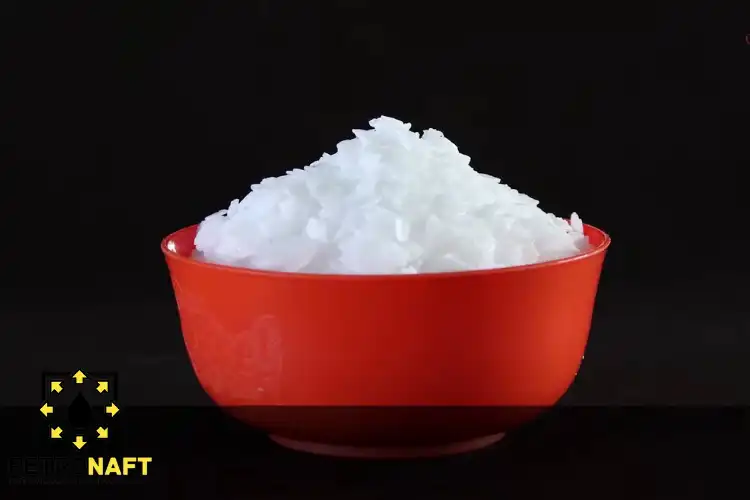
This Caustic Soda Mix Guide explains how to choose safe, effective ratios for cleaning, degreasing, and paint stripping without damaging surfaces. You’ll get practical mixing steps for flakes and liquid caustic, compatibility guidance for metals and materials, real workflows for common jobs, and a buyer-focused checklist for selecting the right grade and packaging.
If you need a practical Caustic Soda Mix Guide, start with concentration: 1–2% for light cleaning, 3–5% for heavy degreasing, and 5–10% for many paint-stripping jobs on compatible surfaces. Always add caustic soda to water (never the reverse), use proper PPE, and match strength to the material to avoid damage.
Highlights & Key Sections
Why mixing correctly matters (and what this guide covers)
Caustic soda (sodium hydroxide / NaOH) is powerful because it breaks down oils, greases, and some paint binders. That same strength can also burn skin, damage finishes, and react with certain metals if you mix or apply it carelessly.
In this article you’ll get:
Step-by-step mixing mini-tutorials (flakes, pearls, and 50% liquid)
Practical workflows for paint stripping and cleaning/degreasing
Buyer-focused notes for pros (grades, specs, storage, and handling)
Caustic Soda Mix Guide: The Right Concentration for Each Job
Most users get better results by choosing the lowest effective concentration and increasing only if needed. Stronger isn’t always faster—it can create gummy residues, darken surfaces, or etch materials.
Quick ratio table (most common use cases)
Task
Typical NaOH strength (w/w)
Mix guide (grams per liter of water)*
Best on
Avoid / caution
Light cleaning (general)
1%
10 g/L
Stainless steel, many hard surfaces
Painted surfaces, soft metals
Medium degreasing
2%
20 g/L
Workshop grime, kitchen grease
Natural stone, aluminum
Heavy degreasing
3–5%
30–50 g/L
Engines/steel parts, tough oils
Wood, delicate coatings
Paint softening/stripping (many cases)
5–10%
50–100 g/L
Steel, iron, masonry (test first)
Aluminum, fiberglass, many plastics
“Paste-style” stripping (specialized)
10–20% (with thickener)
Not usually DIY
Vertical metal/masonry
High burn risk; pro handling
*Approximation for practical use. If you need laboratory-grade accuracy, use a scale and calculate by final solution mass.
Safety essentials (read once, use forever)
Caustic soda is corrosive. Treat mixing like you would treat hot oil or open flame: controlled, prepared, and never rushed.
Minimum PPE and setup
Eye/face: chemical splash goggles + face shield for mixing
Hands: chemical-resistant gloves (nitrile is common; thicker is better for longer contact)
Body: long sleeves, chemical apron, closed shoes
Air: good ventilation; avoid aerosols and hot, steaming solutions
Tools: HDPE/PP plastic bucket, plastic or stainless stirrer, accurate scale
Compatibility (what it can damage)
Use caustic soda solutions on:
Stainless steel, carbon steel, cast iron (with proper rinsing and drying)
Be careful or avoid on:
Aluminum, zinc, galvanized metals (can react and release hydrogen gas)
Painted/varnished surfaces you want to keep
Sensitive plastics, fiberglass resins, and many adhesives
Natural stone (can etch, discolor, or weaken)
How to mix caustic soda safely (mini tutorial)
The golden rule
Add caustic soda to water—slowly—while stirring. Dissolving NaOH releases heat, and adding water onto a pile of caustic can splash boiling alkali.
Step-by-step mixing workflow
Start with cool water in a stable plastic container (HDPE or PP).
Weigh your NaOH (don’t “eyeball” flakes).
Add NaOH gradually into the water while stirring.
Pause if it heats up; let temperature come down before adding more.
Label the container (strength, date, hazard).
Use the solution at the right temperature, then store sealed.
Fast calculations (the ones you’ll actually use)
Grams per liter shortcut
1% ≈ 10 g/L
2% ≈ 20 g/L
5% ≈ 50 g/L
10% ≈ 100 g/L
If you’re using 50% liquid caustic
You need roughly double the liquid mass to match solid NaOH:
Want 50 g of pure NaOH? Use 100 g of 50% solution.
Example mixes (real-world)
2% degreaser (5 liters): 20 g/L × 5 L = 100 g NaOH
5% paint-strip solution (3 liters): 50 g/L × 3 L = 150 g NaOH
10% heavy-duty (2 liters): 100 g/L × 2 L = 200 g NaOH (high caution)
Paint stripping with caustic soda: where it shines (and where it doesn’t)
Caustic soda is best when you’re dealing with:
Oil-based paints on steel/iron
Built-up grease + paint layers (workshop machinery, metal railings)
Some coatings on masonry/concrete (with careful neutralization)
It’s not ideal for:
Many modern 2K coatings, powder coats, or chemical-resistant finishes
Wood (can raise grain, darken, and create uneven results)
Aluminum or mixed-metal assemblies
Mini tutorial: stripping paint from steel (practical workflow)
Test a small patch with 5% first. If it barely softens after 10–15 minutes, increase to 8–10%.
Apply generously (brush or soak smaller parts in a tray).
Keep it wet. Dry patches stop working and can leave stubborn residue.
Scrape/brush once the paint wrinkles or turns gelatinous.
Rinse thoroughly with lots of water.
Neutralize lightly if needed (a mild acidic rinse can help remove alkaline film).
Dry immediately to prevent flash rust; protect with primer or oil.
Quick “dwell time” guide (rule-of-thumb)
Paint/coating type
Typical behavior with NaOH
What to do
Old oil-based paint
Softens and lifts
5–10%, keep wet, scrape
Thick layered paint
Turns gummy
Work in passes; don’t overcook
Chemical-resistant enamel
Slow response
Consider commercial stripper
Unknown coating
Unpredictable
Always patch-test first
Micro case study: metal gate restoration
A painted steel gate with 2–3 layers of aged paint was stripped using two passes:
Pass 1: 5% to break the top layer without excessive gumming
Pass 2: 8% to lift the remaining base coat
Key difference-maker: keeping the surface wet and rinsing between passes—this prevented sticky residue that can re-bond to the metal.
Cleaning & degreasing: from workshops to industrial routines
Caustic soda is a workhorse for removing fats, oils, carbonized grime, and stubborn organic soils. In professional settings, it’s often part of CIP (clean-in-place) programs where concentration and temperature are controlled.
Where it performs best
Workshop degreasing: steel parts, oily buildup, old grease
Kitchen/food-adjacent cleaning: heavy fats (used carefully and rinsed thoroughly)
Concrete/oil stains: pre-treatment before pressure washing (test first)
Mini tutorial: degreasing steel parts (fast and safe)
Mix 2–3% solution in a plastic tub.
Warm (optional): mild warmth improves performance, but don’t overheat.
Soak parts for 10–30 minutes, agitate occasionally.
Brush, then rinse thoroughly.
Dry immediately; apply rust protection if needed.
Trend note (why alkaline solutions are being used more)
Across many markets, there’s growing demand for methylene-chloride-free stripping and more controlled, process-driven cleaning. That pushes more users toward alkaline systems (including NaOH-based blends) that can be engineered for performance while improving handling control through better thickeners, inhibitors, and monitoring.
Buying guide: choosing the right caustic soda for your job
If you’re buying for a business, choosing the right format and spec saves money and reduces handling issues.
Common forms and who they suit
Form
Typical use
Pros
Watch-outs
Flakes
General industrial cleaning, mixing on-site
Easy to dissolve, flexible
Dust control needed
Pearls/prills
Automated dosing, consistent flow
Cleaner handling, more uniform
Can still generate heat fast
50% liquid
High-volume operations
Fast dosing, less dust
Requires suitable storage/IBC handling
Spec checklist for professional buyers
Assay/purity appropriate to your process (higher purity for sensitive use)
Low insolubles to reduce residue and nozzle clogging
Controlled chlorides/iron if corrosion or staining matters
Consistent particle size for predictable dissolution
Packaging that fits your workflow: bags, drums, IBCs
Clear labeling, batch traceability, and compliant documentation
Troubleshooting: common problems and quick fixes
Problem
Likely cause
Fix
Paint turns sticky and smears
Too strong/too long dwell; surface dried out
Work in shorter passes; keep wet; lower concentration
White film after rinsing
Alkaline residue or hard-water salts
Rinse longer; consider a mild neutralizing rinse; final clean-water rinse
Surface darkening (wood/stone)
Material sensitivity
Stop; patch-test alternatives; avoid on that substrate
Poor degreasing
Solution too weak or too cold; heavy soil load
Increase to 3–5%; refresh solution; add agitation
Flash rust on steel
Rinsed and left wet
Dry immediately; use inhibitor/primer promptly
Storage, neutralization, and disposal (practical and safe)
Storage that prevents headaches
Keep solids in sealed, dry containers (moisture causes clumping and heat)
Store solutions in HDPE/PP with clear labels
Keep away from acids, soft metals, and incompatible chemicals
Treat as a controlled chemical: access, signage, and spill readiness
Neutralization basics (small-scale)
Neutralize slowly using a mild acid until near-neutral pH.
Never neutralize in a closed container (heat + gas risks).
For larger volumes or professional sites, follow local waste rules and your facility procedures.
Executive Summary Checklist (quick-reference)
Choose the mildest effective strength: 1–2% light cleaning, 3–5% degreasing, 5–10% many stripping jobs
Always add NaOH to water, slowly, with stirring
Use proper PPE: eye/face protection, gloves, long sleeves
Patch-test paint stripping first; work in short, wet passes
Avoid reactive metals like aluminum/galvanized
Rinse thoroughly, dry metals fast, and store chemicals in compatible containers
Buy smart: match form (flakes/pearls/liquid) and specs to your process
FAQ
1) What is the safest basic mixing rule for caustic soda?
Add caustic soda into water, never water into caustic soda. The dissolution releases heat quickly, and reversing the order can cause splashing and burns.
2) What concentration removes grease without being overly aggressive?
For most heavy grease, 2–3% works well with brushing or soaking. Jump to 3–5% for thick, aged oils—then rinse and dry properly.
3) Can caustic soda strip paint from wood?
Sometimes, but it’s risky: it can darken wood, raise grain, and create uneven results. If you must try, do a small hidden patch test and use the lowest concentration possible.
4) Why should I avoid using caustic soda on aluminum?
Caustic soda can react with aluminum and some other soft metals, potentially producing flammable hydrogen gas and damaging the metal surface.
5) Is 50% liquid caustic the same as flakes for mixing?
Performance is similar once diluted, but dosing differs: 50% liquid contains half water, so you need roughly double the liquid weight to match the same pure NaOH content.
Sources
A detailed chemical profile and reactivity summary for sodium hydroxide, including key compatibility and hazard notes — PubChem: Sodium Hydroxide