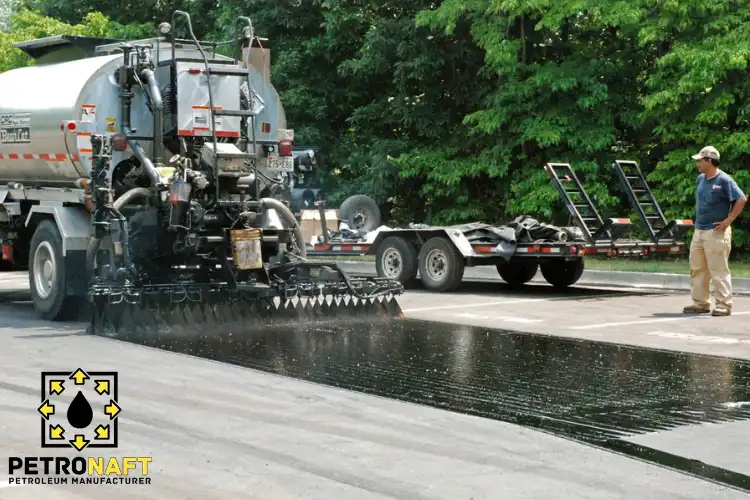
Cutback Bitumen in Pavement delivers fast, reliable bonding and waterproofing by thinning asphalt cement with petroleum solvents, making it easier to spray, penetrate, and cure—especially for prime coats, tack coats, and patch work. When you match the cutback type and grade to temperature, aggregate absorption, and traffic reopening time, you get stronger adhesion, fewer moisture-related failures, and smoother maintenance logistics.
Highlights & Key Sections
Why this matters (and when it’s the right choice)
Cutback bitumen still shows up in pavement work because it solves a practical problem: you need asphalt binder to flow and wet surfaces without complex heating setups.
It’s most useful when you need:
Fast site operations (remote jobs, short night windows)
Deep penetration into granular bases (prime coats)
Quick reopening after spot repairs (maintenance and patching)
It’s not always the best option when:
VOC or odor limits are strict
Emulsions or modified binders are easily available and perform better in your climate
You’re working in confined/urban settings with high public sensitivity
What is cutback bitumen, exactly?
Cutback bitumen is asphalt cement blended with a volatile petroleum diluent. After spraying or mixing, the diluent evaporates and leaves behind residual asphalt binder.
The three families: RC, MC, and SC
Cutback behavior is mainly controlled by how fast it “cures” (how quickly the solvent leaves):
RC (Rapid Curing): Uses lighter diluents → cures fast → good for spray applications where you need quick set.
MC (Medium Curing): Balanced volatility → often used for mixes and certain maintenance work.
SC (Slow Curing): Heavier oils → cures slowly → better for penetration and some mix work (where allowed).
Cutback Bitumen in Pavement: where it fits best
Here are the most common pavement applications, with the “why” behind each.
1) Prime coat on granular base
Prime coat is about penetration and binding dust so the first asphalt layer adheres and moisture is controlled.
Cutback helps because it:
penetrates porous base surfaces better than many alternatives
reduces raveling and dusting during paving operations
improves bond between base and the first asphalt layer
Practical note: Prime coat success depends more on base preparation and absorption than the binder itself. A clean, properly compacted base plus a test strip often decides the outcome.
2) Tack coat and bond coat (in specific conditions)
For bonding asphalt-to-asphalt or asphalt-to-concrete, tack coat must be thin and uniform.
Cutback can work when:
temperatures are cooler and you need workable viscosity
you’re on small crews with simple spray equipment
rapid re-opening is critical (depending on type and grade)
However: many agencies prefer emulsions for this purpose due to lower VOC and better handling. If you’re using cutback here, uniform application and cure time become non-negotiable.
3) Patching and maintenance mixes
Cutback is widely used in maintenance because it can:
coat aggregates effectively with simpler heating requirements
produce workable mixes for pothole patching and small-area leveling
support stockpile or cold-mix logistics (where permitted)
4) Surface treatments and sealing (select cases)
Some surface treatment systems use cutback where:
quick “chip hold” is needed
the surface is dry and weather windows are short
Quick comparison table: choosing RC vs MC vs SC
Type
Curing speed
Best for
Typical job-site goal
Common risk if misused
RC
Fast
Spray work, quick-return maintenance
Set quickly, reduce tracking
Poor penetration on very porous base
MC
Medium
Mixes, maintenance, moderate weather
Balance workability + cure
Slow cure in cold weather
SC
Slow
Prime coat, high-absorption surfaces
Deep penetration and binding
Long cure, dust pickup, traffic tracking
Benefits that actually move the needle on performance
Better adhesion and interlayer bonding
When selected correctly and applied uniformly, cutback improves:
bond between layers (reduces slippage and shoving)
edge adhesion in patches (reduces early peeling)
resistance to moisture-driven stripping (especially when prime is done right)
Improved constructability in remote or time-sensitive jobs
Cutback can reduce operational complexity when:
continuous hot heating isn’t feasible
you’re working with small crews
you need predictable handling in short shifts
Stronger base stabilization effect (prime coat use)
On granular base, the penetration and dust-binding effect can:
reduce displacement under paver and trucks
reduce contamination at the interface
support a cleaner, more uniform first lift
The trade-offs (and how pros manage them)
Cutback isn’t “bad”; it’s just less forgiving in certain constraints.
VOCs, odor, and environmental limits
Because cutback relies on volatile solvents, it can trigger:
VOC limitations
odor complaints in populated areas
stricter storage/handling requirements
Best practice: confirm the permitted material category for your jurisdiction and project setting early, before you commit procurement.
Cure time sensitivity
“Looks dry” and “is ready” are not the same.
Cure depends on:
ambient temperature
wind and humidity
surface texture and absorption
application rate and grade
Field-proven approach: do a small test strip and verify tracking and bond before full-scale spraying.
Flammability and safety
Most cutbacks demand:
no open flames nearby
grounded transfer where applicable
controlled temperature management
correct PPE and spill controls
Grades and viscosity: how the “number” affects your job
Within each family (RC/MC/SC), grades typically reflect viscosity and handling thickness.
Higher grades → thicker → more residual binder per pass, but may require more care for uniformity
Selection mini-guide (fast and practical)
Job condition
What you want
Better direction
Cold mornings / short closure window
Fast set
RC or lower-viscosity option (where allowed)
Very porous granular base
Penetration
SC or a slower-curing option
Patch work with local aggregates
Workability
MC/SC-type maintenance mix approaches
High traffic tracking risk
Quick cure + thin film
Faster curing + tighter application rate control
Mini tutorial: how to select the right cutback in 5 steps
Step 1: Define the purpose
Prime coat, tack/bond, patch mix, or surface treatment? Each pushes you toward different cure behavior.
Step 2: Assess the surface
Is it porous and dusty (granular base) or dense (existing asphalt)? Porous needs penetration; dense needs thin, uniform film.
Step 3: Match climate and timing
Short windows and cooler conditions usually favor faster curing and thinner application—but only if penetration requirements are still met.
Step 4: Choose equipment reality
Hand wands, small sprayers, distributor trucks—your achievable uniformity matters as much as the chemistry.
Step 5: Validate with a test strip
Check:
tracking under a vehicle tire
visual uniformity (no stripes/puddles)
bond after initial cure
Application best practices (what experienced crews do differently)
Surface preparation: the hidden performance lever
Before any spraying:
Sweep thoroughly (dust kills bonding)
Fix soft spots (prime won’t “save” bad base)
Ensure dryness (moisture blocks penetration and cure)
Under-application: dry spots → poor bond → early delamination
Practical method:
Use a calibration check on spray equipment
Run a test strip
Adjust rate based on absorption and texture, not guesswork
Curing: don’t rush the interface
A good rule in practice is to wait until the surface is:
set enough to avoid pickup/tracking
visibly uniform (no glossy wet bands)
cohesive to the touch (with PPE), not oily
Real-world example: prime coat done right (and what changed)
On a rural rehabilitation job with a highly absorptive granular base, the crew initially saw uneven dark patches and dust pickup after priming—classic signs of inconsistent application and variable base absorption.
What improved results:
tighter sweeping schedule immediately before priming
a short test strip to tune application rate
switching to a slower-curing direction to increase penetration time
delaying the first lift until tracking risk dropped
Outcome: smoother paving operations, better first-lift adhesion, and fewer interface-related defects observed during early service.
Buyer’s guide: what to verify before purchasing
If you’re sourcing cutback for pavement work, treat it like a spec-driven product, not a commodity.
Procurement checklist (commercial + technical)
Material complies with the project’s required cutback family and grade
Recent test report/COA available for:
viscosity range
distillation/residue characteristics
flash point (safety)
water content (handling risk)
Packaging and logistics match your site:
bulk tanker vs drums
storage temperature plan
agitation/handling requirements (if any)
Clear guidance on:
recommended application temperatures
expected cure behavior in your climate
Storage and handling basics (that prevent costly waste)
Use compatible tanks/containers
Keep lids sealed to limit contamination and solvent loss
Prevent water ingress (rain + condensation)
Follow safe transfer procedures for flammable liquids
Industry trends and current challenges
Two forces are shaping how cutback is used today:
Sustainability and emissions pressure: many markets are pushing lower-VOC solutions and broader use of emulsions or warm-mix technologies, especially near urban centers.
Faster maintenance cycles: agencies want quicker, more reliable reopening—driving more disciplined material selection, test strips, and tighter spray calibration rather than “one-rate-fits-all.”
Cutback remains relevant where it delivers operational advantages, but the winning approach is increasingly “use it intentionally, not by habit.”
Executive Summary and practical checklist
When cutback bitumen is a smart choice
You need penetration (prime coat on porous base)
You need workable handling without complex heating
You need reliable maintenance logistics in remote areas
Do this to get results
Pick the family (RC/MC/SC) based on cure speed needs
Match grade to temperature, texture, and equipment
Always run a test strip and calibrate spray output
Control dust and moisture—prep beats chemistry
Respect curing before paving or opening to traffic
Field checklist (print-and-use)
Surface swept clean and dry
Equipment calibrated; no clogged nozzles
Correct cutback type and grade confirmed for the application
Test strip completed and evaluated for tracking/bond
Application rate adjusted for absorption/texture
Cure verified before overlay or traffic
Safety controls in place (flammable handling + PPE)
FAQ
1) Is cutback bitumen still used for prime coats today?
Yes—especially on porous granular bases where penetration is valuable. Use depends on local regulations, emissions limits, and whether emulsions or other alternatives are preferred for the project setting.
2) What’s the main difference between RC, MC, and SC cutbacks?
It’s primarily curing speed. RC cures fastest, MC is moderate, and SC cures slowest—affecting penetration, tracking risk, and how soon you can place the next layer.
3) Can cutback be used as a tack coat?
It can be used in certain conditions, but uniform thin application and adequate cure are critical. Many projects choose emulsions instead due to handling and emissions advantages.
4) What causes tracking after applying cutback?
Most often: over-application, insufficient cure time, low temperature, or a slow-curing selection for the site conditions. A test strip and rate adjustment usually prevent it.
5) How do I choose the best cutback grade?
Start with the application (prime vs patch vs spray), then consider temperature, surface absorption, and equipment. Lower viscosity helps spraying and wetting; higher viscosity increases film build but can slow cure if over-applied.
Sources
ASTM International – Standard specifications and test methods used to classify and verify cutback asphalt properties: ASTM Standards for Cutback Asphalt
AASHTO – Highway-focused material specifications and guidance widely referenced in pavement works: AASHTO Standards and Publications