

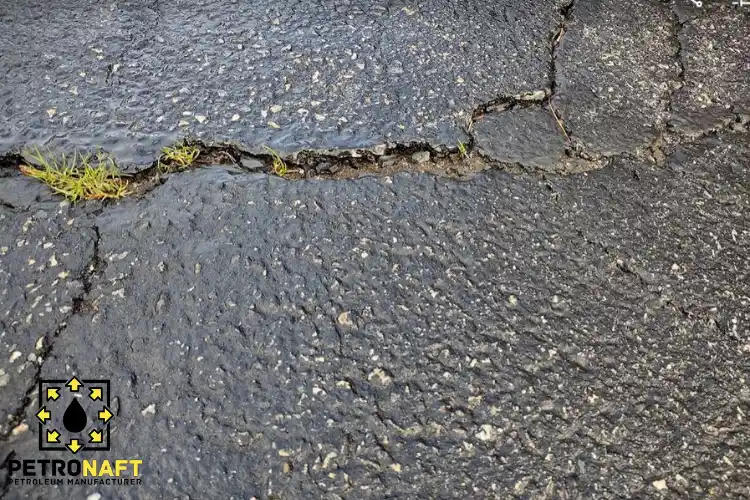
Keeping an Asphalt Driveway from cracking comes down to three things: controlling water, limiting stress, and staying ahead of small defects. Build on a solid base, manage drainage, seal every few years, clean and repair promptly, and avoid heavy, concentrated loads. Done consistently, this can add 10–20 years to pavement life.
Highlights & Key Sections
Why Your Asphalt Driveway Cracks (and What You Can Control)
Asphalt looks solid, but it constantly moves with temperature, traffic, and the ground underneath. Cracks appear when that movement or stress exceeds what the structure can handle.
Main stress factors you can influence:
-
Poor or thin base and subgrade
-
Standing water and bad drainage
-
Extreme temperature swings and UV exposure
-
Heavy vehicles or point loads (jacks, dumpsters, RVs)
-
Lack of routine sealing and cleaning
Common Crack Types and What They Tell You
| Crack type | What it looks like | Likely root cause | Risk if ignored |
|---|---|---|---|
| Hairline cracks | Thin, random lines | Aging, UV, minor shrinkage | Let in water; grow into wider cracks |
| Alligator cracks | Dense “crocodile skin” pattern | Weak base, overload, fatigue | Rapid pothole formation |
| Longitudinal | Straight, along driveway length | Construction joint, traffic, thermal | Water infiltration, structural weakening |
| Edge cracks | Along outer edges | Poor edge support, drainage issues | Edge breakup, chunks breaking away |
| Potholes | Holes with loose material | Water in cracks + traffic damage | Tire damage, safety hazard, accelerates decay |
When you understand the crack type, you can target the cause instead of just hiding the symptom.
Step-by-Step Plan to Keep an Asphalt Driveway from Cracking
1. Start With a Solid Structure (for New or Resurfaced Driveways)
If you’re planning a new driveway or a major resurfacing, durability starts below the black surface.
Key structural decisions:
-
Subgrade preparation: Remove topsoil and organic material; compact the native soil.
-
Base layer: Install 4–8 inches of well-graded, compacted crushed stone (more in clay soils or cold climates).
-
Thickness: Most homes do well with 2.5–3 inches compacted asphalt in two layers (binder + surface).
-
Slope: Aim for at least 2% slope (2 cm per meter) so water drains off, not toward your house or garage.
-
Edge support: Use concrete, pavers, or soil berms to support edges and reduce edge cracking.
Mini tutorial – Evaluating an existing driveway’s structure:
-
Look for persistent alligator cracking or depressions after rain.
-
Probe soft spots with a screwdriver near the edges—spongy areas often signal a weak base.
-
If you see extensive alligator cracking across large areas, patching alone won’t last; you likely need base repair or reconstruction.
2. Control Water and Drainage – Your #1 Defense
Water is the most common trigger for cracks because it weakens the base and subgrade.
Practical drainage steps:
-
Check after heavy rain: Walk the driveway and note where water stands more than 24 hours.
-
Redirect downspouts: Make sure gutters discharge water well away from the driveway, not onto or beside it.
-
Fix low spots: For minor depressions, use asphalt cold patch or leveling compounds; for large areas, consider professional milling and overlay.
-
Side drainage: Keep grass edges trimmed and soil slightly lower than the driveway to let water run off freely.
Real example:
A homeowner with a 10-year-old driveway kept seeing edge cracks near a flower bed. The root cause wasn’t “bad asphalt” but a sprinkler head soaking the side daily. Once the sprinkler was adjusted and a shallow swale added, new cracking stopped, and only existing cracks needed sealing.
3. Protect Against Sun, Oxygen, and Weather
Asphalt oxidizes and becomes brittle under UV light, making it more likely to crack.
How to slow aging:
-
Sealcoating cycle: In most climates, seal every 2–4 years, starting 6–12 months after installation.
-
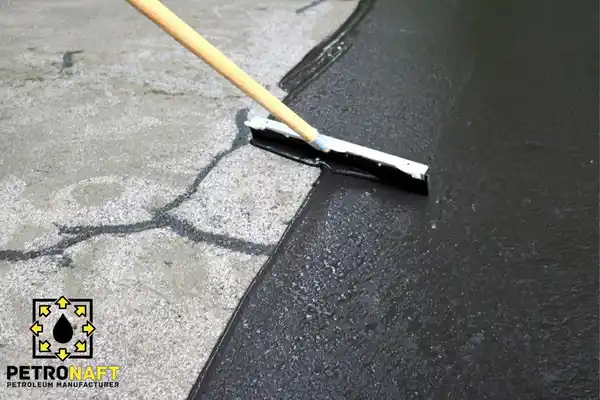
Surface prep: Clean thoroughly and repair cracks before applying sealer so you don’t trap defects.
-
Quality of sealer: Modern polymer-modified sealers resist UV and chemicals better than older basic formulations.
-
Weather window: Apply sealer when temperatures are consistently above about 10–15°C, with no rain expected for at least 24 hours.
Mini tutorial – Performing a simple water-bead test:
-
Hose down a clean section of driveway.
-
If water quickly darkens the surface and soaks in, the sealer is worn.
-
If water beads or runs off without soaking in, your protection is still good.
4. Manage Loads and Traffic
Even a structurally sound driveway can crack if you overload it.
Smart load management:
-
Limit heavy trucks: Avoid repeated use by delivery trucks, construction equipment, or loaded moving vans if possible.
-
Spread point loads: Use plywood or steel plates under jacks, trailer stands, and dumpsters.
-
Park strategy: Don’t park heavy vehicles in the same spot every day; rotate a bit to avoid fatigue in a single wheel path.
-
Avoid edge parking: Keeping wheels away from unsupported edges reduces edge fractures.
Case insight:
Small contractors who routinely park loaded trailers on thin residential driveways often see early rutting and cracking under the wheel paths within just 3–5 years, versus 10–15 years for normal passenger car use.
5. Seasonal Cleaning and Spot Maintenance
Dirt and chemicals speed up deterioration and hide early warning signs.
Routine cleaning habits:
-
Quarterly blow or sweep: Remove leaves, soil, and debris that hold moisture against the surface.
-
Oil and fuel spills: Treat quickly with an absorbent material, then a degreaser formulated for asphalt. Left untouched, they soften the binder and cause raveling and cracks.
-
De-icing products: Prefer sand or calcium magnesium acetate where available; avoid excessive use of harsh salts.
-
Snow removal: Use plastic shovels or rubber-edged blades and avoid digging into the surface.
6. Repair Small Problems Early (Before They Spread)
Tiny cracks rarely stay tiny. Sealing them early is one of the highest ROI preventive steps.
Guidelines by crack size:
-
Hairline (<3 mm): Monitor; if they hold water or begin to widen, seal them.
-
Standard cracks (3–12 mm): Use a pourable rubberized crack filler.
-
Wide cracks or small potholes (>12 mm): Clean thoroughly and fill with cold patch; compact well.
Mini tutorial – DIY crack sealing:
-
Clean: Use a wire brush and blower or vacuum to remove dirt, vegetation, and loose asphalt.
-
Dry: Ensure the crack is dry; moisture weakens adhesion.
-
Fill: Apply crack filler slightly overfilled.
-
Tool: Use a putty knife or squeegee to level it flush.
-
Cure: Block off traffic until the product’s recommended cure time has passed.
For clustered cracks, a professional hot-pour crack sealant often lasts longer than hardware-store products.
7. When to Call a Professional vs. DIY
DIY is perfect for minor, isolated issues. Pros shine when the underlying structure or large areas are involved.
DIY-friendly tasks:
-
Cleaning and routine inspection
-
Small crack filling and oil-stain cleanup
-
Applying consumer-grade sealers on sound, mostly crack-free surfaces
Hire a professional when:
-
Alligator cracking covers more than 10–20% of the driveway
-
Large sections are sunken, uneven, or hold water
-
You see repeated cracks coming back in the same locations
-
You need hot mix, infrared repair, or milling and overlay
Professionals can also evaluate base conditions, thickness, and load demands, then recommend a structured repair plan instead of patching blindly.
Asphalt Driveway Care by Climate: Practical Maintenance Calendar
Use this table as a quick planning guide. Adjust frequency for your specific climate and traffic.
| Climate / region | Spring | Summer | Fall | Winter |
|---|---|---|---|---|
| Cold, snowy | Inspect for winter damage; fill new cracks | Sealcoat if due; repair potholes | Clean, remove leaves, final crack checks | Gentle snow removal; moderate de-icer use |
| Hot, sunny | Clean surface; check for soft spots | Sealcoat more frequently (2–3 years) | Edge support checks; adjust drainage | Light cleaning; protect from oil/fuel spills |
| Wet / coastal | Improve side drainage; fix low spots | Monitor for moisture-related soft areas | Aggressive crack sealing before rains | Keep drains clear; avoid standing water |
| Mild / temperate | Annual inspection and cleaning | Any major repair or sealing work | Touch-up sealing and crack repair | Light maintenance as needed |
Modern Trends in Asphalt Driveway Protection
To get more life from residential asphalt, the industry is moving beyond basic “black paint” sealers and patch kits.
Emerging and growing trends include:
-
Polymer-modified and high-solid sealers: These offer better UV resistance, flexibility, and chemical resistance, especially valuable in extreme climates or for driveways with heavier vehicles.
-
Recycled and warm-mix asphalt: New mixes use reclaimed asphalt pavement and lower production temperatures, improving sustainability without sacrificing performance.
-
Infrared repair technology: Contractors can reheat and blend existing asphalt with fresh material, creating seamless patches that reduce future cracking.
-
Permeable and drainage-focused designs: In areas with strict stormwater regulations, permeable asphalt and integrated drainage systems reduce standing water and associated cracking risks.
Choosing contractors familiar with these newer technologies can be a strategic move if you want both durability and environmental benefits.
Checklist: Daily-to-5-Year Actions to Stop Cracks
Use this as a quick action checklist you can literally print and keep in your garage.
Every month or after major storms
Walk the driveway and look for new cracks, depressions, or standing water.
Clear debris from surface and edges; keep side soil slightly below asphalt level.
Every season
Spring: Repair cracks and winter damage; check edge support.
Summer: Plan sealcoating or larger repairs; avoid parking heavy loads in one spot.
Fall: Clean thoroughly, seal any new cracks, and clear drains before winter.
Winter: Use gentle snow removal methods; avoid metal edges digging into the pavement.
Every 2–4 years
Sealcoat, assuming the surface is structurally sound.
Have a professional inspection if you notice growing cracks or repeated problem areas.
Every 10–20 years (or as needed)
Consider resurfacing or rebuilding if alligator cracking, widespread potholes, or structural issues cover large areas.
Conclusion
An Asphalt Driveway doesn’t crack prematurely by accident; it fails when water, loads, and aging go unmanaged. By building on a solid base, controlling drainage, sealing on schedule, treating small defects early, and calling in professionals when needed, you can turn a short-lived surface into a long-lasting, low-stress asset for your property.
FAQ: Keeping Your Driveway from Cracking
1. How often should I seal my driveway to prevent cracks?
Most residential driveways benefit from sealcoating every 2–4 years, depending on climate, traffic, and product quality. If the surface looks dry, gray, and absorbs water quickly instead of beading, it’s usually time to reseal.
2. Can I stop existing cracks from getting worse?
Yes, if you clean and seal them before water and debris work deeper into the structure. Proper crack sealing blocks water, slows oxidation, and reduces movement at the crack edges, significantly extending the life of the repair.
3. What is the best time of year to do driveway maintenance?
In most climates, late spring through early fall is ideal, when temperatures are warm and stable and rainfall is moderate. This window allows cleaning, drying, and curing time for crack fillers and sealers to bond properly.
4. Are de-icing salts bad for asphalt driveways?
Occasional, moderate use is generally acceptable, but heavy or constant use can accelerate surface wear and promote moisture damage. Combining minimal salt use with sand for traction and prompt snow removal is usually a safer strategy.
5. When is it better to replace instead of repair?
If more than about 30–40% of your surface has alligator cracking, deep potholes, or significant depressions, isolated repairs will be short-lived. At that stage, structural reconstruction or full-depth replacement often costs less over the long term than repeated patching.
Sources
Asphalt Institute – Pavement maintenance guidance for extending service life of residential and commercial asphalt surfaces.
https://www.asphaltinstitute.orgFederal Highway Administration – Technical resources on asphalt pavement performance, cracking mechanisms, and preservation strategies.
https://highways.dot.govNational Asphalt Pavement Association – Educational materials on asphalt design, construction, and maintenance practices.
https://www.asphaltpavement.orgAmerican Society of Civil Engineers – Professional references on pavement engineering, structural design, and rehabilitation.
https://www.asce.orgUniversity extension service publications – Practical homeowner guides to asphalt driveway installation and maintenance.
https://extension.umn.edu