


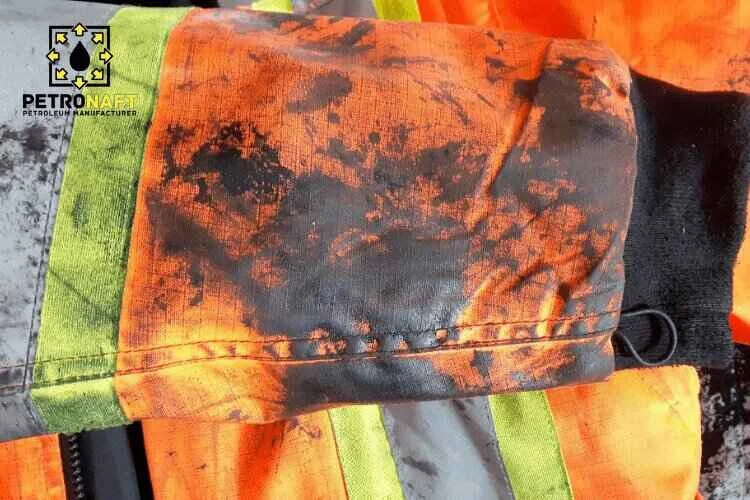
To remove bitumen from clothes, let it cool and harden, then gently scrape off the excess. Soften the remaining stain with vegetable oil or a specialist cleaner, blot thoroughly, pre-treat with a heavy-duty liquid detergent, and wash on the hottest temperature safe for the fabric—repeating the cycle before tumble-drying if any residue remains.
Bitumen (asphalt, tar) behaves like a mix of glue and oil on fabric. If you act methodically—cool, scrape, loosen with oil, then deep-clean with detergent—you can often rescue even heavily stained workwear or everyday clothing without destroying the fibers or colors.
Highlights & Key Sections
Understand the Stain Before You Start
Bitumen sticks for two reasons:
Physical grip: It hardens and locks onto fibers.
Oily fraction: It contains heavy hydrocarbons that behave like grease.
Key points before you begin:
Treat it as solid contaminant + oily stain, not just “dirt.”
Heat makes bitumen flow deeper into fibers—you only use heat at the washing stage, never to “melt it off” directly.
Very heavily soaked PPE may be cheaper and safer to replace than to restore.
Immediate First Aid for Fresh Bitumen on Clothes
If you’ve just splashed bitumen or asphalt:
Act fast but don’t panic.
Remove the garment if it’s safe to do so (avoid skin burns).
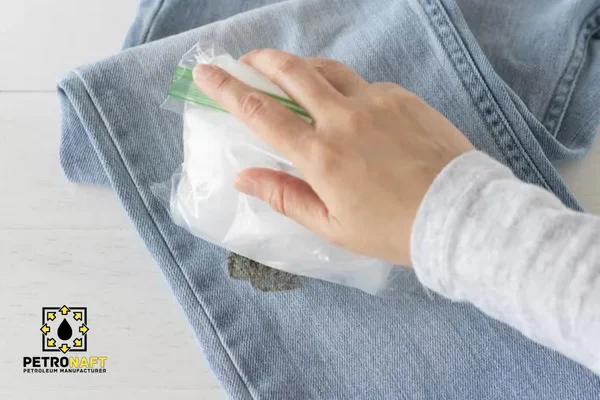
Cool the bitumen:
Place ice packs or a bag of frozen vegetables on the stain.
Or pop the garment in a plastic bag and put it in the freezer.
Once it’s fully hard, gently scrape with:
A plastic scraper
The back of a spoon
A blunt knife (carefully)
Avoid:
Smearing it with your fingers.
Rubbing hot bitumen deeper into the fabric.
Pulling hardened chunks that may tear delicate fabrics.
Step-by-Step: How to Remove Bitumen from Everyday Fabrics
1. Prepare the Garment
Check the care label (max temperature, dry-clean-only, etc.).
Shake or tap the garment outdoors to remove loose grit.
Place an old towel or cardboard under the stained area so nothing transfers to the other side.
2. Solidify and Scrape
Cool the stain (ice or freezer) until the bitumen is rock-hard.
Scrape gently:
Work from the outside in to avoid spreading.
Remove as much bulk as possible without damaging the weave.
Vacuum or shake off any crumbs.
3. Loosen the Residue with Oil
For most cotton, polyester, and blends, a safe and effective strategy is to use a light oil to soften the bitumen so it releases from fibers. Household guides for tar and asphalt stains often recommend vegetable oil, shortening, or petroleum jelly for this phase.
Mini tutorial: oil pre-treatment
Choose one:
Vegetable oil (sunflower, canola)
Olive oil
Solid cooking fat/margarine
Test on a hidden seam for colorfastness.
Apply a small amount directly to the stain.
Gently work it in with your fingers or a soft brush.
Leave for 10–20 minutes to soften the bitumen.
Blot with paper towels or a clean rag until you see dark residue lifting.
If the garment is technical workwear, you may prefer a dedicated bitumen or asphalt remover approved by the garment/PPE manufacturer.
4. Add a Detergent-Based Stain Remover
Most successful methods for tar/asphalt stains use a second stage with a heavy-duty detergent or stain remover once the bulk is gone.
Apply a liquid laundry detergent (preferably an enzyme or “degreasing” formula) directly on the stained zone.
Massage it in or use a soft-bristled brush.
Let it sit for 15–30 minutes (cover with plastic wrap so it doesn’t dry out).
5. Machine Wash Correctly
Wash on the hottest temperature allowed on the care label.
Use a full dose of quality detergent.
If possible, select:
“Heavy soil” or “intensive” program
Extra rinse
After washing:
Air-dry only. Heat from a dryer can set any remaining stain permanently.
Inspect in good light:
If any shadow remains, repeat oil + detergent + wash.
Only tumble-dry once the stain is completely gone.
Remove Bitumen from Delicate or High-Value Fabrics
Delicates (wool, silk, linen blends, technical outdoor jackets) require extra caution.
General Rules
Avoid aggressive scraping or stiff brushes.
Prefer freezing + gentle flaking over vigorous mechanical removal.
Use only very small amounts of oil and always patch test.
Never saturate a delicate fabric with strong solvent on your own.
Practical cases
Wool or cashmere jumper:
Freeze and gently break off hardened bitumen.
Blot a drop of light oil onto remaining mark.
Dab (don’t rub) with mild liquid detergent diluted in lukewarm water.
Lay flat to dry and reassess.
Dry-clean-only blazer:
Remove loose chunk by freezing and careful flaking.
Stop there and take it to a professional dry cleaner, pointing out it’s a bitumen/asphalt stain so they can choose the right process (often PERC-based or similar professional solvent systems).
Stubborn Stains and Professional Options
Despite good technique, some stains remain:
Fabric may be deeply saturated.
Heat may already have set the stain (e.g., previous tumble-drying).
Workwear may have multiple old stains layered together.
At this point, consider:
Industrial laundries that specialise in workwear.
Bitumen/asphalt removers approved for textiles.
The economic choice: retiring the garment if cleaning time and chemicals outweigh its value.
Industry trend: safer, more sustainable cleaners
Industrial maintenance is shifting away from harsh aromatic solvents toward:
Citrus-based or ester-based cleaners that biodegrade faster.
High-performance detergents and enzymes designed for oily industrial soils.
Emphasis on PPE rotation rather than endlessly restoring heavily contaminated garments.
Safety Warnings: What NOT to Do
Safety data sheets for bitumen stress hygiene and caution with contaminated clothing.
Never do the following:
Don’t use petrol, kerosene, or paint thinner on clothes or skin:
Highly flammable
Skin-irritating
Can damage fibers
Don’t heat the stained area with a flame or heat gun to “melt bitumen off.”
Don’t ignore PPE guidance:
Wash contaminated clothing before reuse.
Store workwear separately from family laundry.
Multiple bitumen safety data sheets explicitly advise against using solvents such as gasoline or kerosene for removing bitumen from skin or clothing.
If bitumen is hot and causes burns, treat it as a burn injury first and seek medical support.
Prevent Bitumen Stains in the First Place
Bitumen removal is possible—but prevention is far easier.
On-site protection
Wear coveralls or disposable overalls over everyday clothes.
Prefer dark, tightly woven workwear with stain-resistant finishes.
Use gaiters or old trousers over high-value trousers or jeans.
Handling and work practices
Use release agents on tools and equipment to reduce splatter.
Avoid leaning on freshly coated surfaces.
Keep a spill kit (rags, paper towels, a small bottle of vegetable oil, detergent) in vehicles or site boxes.
Trend: smarter fabrics and PPE
Manufacturers increasingly offer:
Hydrophobic and oleophobic coatings on workwear.
Garments designed for industrial laundering, where bitumen and other petroleum-based soils can be handled more effectively.
Quick Checklist to Remove Bitumen from Clothes
Use this as a fast executive summary on your next job:
Cool first: Let the stain harden with ice or a freezer.
Scrape bulk off: Use a blunt tool; avoid tearing fibers.
Soften residue: Apply a small amount of vegetable oil or approved cleaner.
Blot thoroughly: Lift softened bitumen into disposable cloths.
Pre-treat: Rub in heavy-duty liquid detergent; rest 15–30 minutes.
Wash hot (label-safe): Use a strong cycle and full detergent dose.
Air-dry and inspect: Repeat steps if any mark remains.
Only tumble-dry once the fabric is fully clean.
Following this sequence greatly improves your chances to remove bitumen without ruining the garment.
FAQ: Bitumen Stains on Clothing
1. Is bitumen on clothes permanent?
Not necessarily. If you cool, scrape, soften with oil, and wash properly before tumble-drying, many stains can be removed or reduced to a faint shadow. However, old, heat-set stains or deeply saturated PPE may be effectively permanent.
2. Can I use gasoline to dissolve bitumen from my work trousers?
No. Gasoline and similar solvents are flammable, harsh on skin and lungs, and can seriously weaken or discolor fabric. Safer options include vegetable oil, specialized bitumen removers, and strong detergents.
3. Will regular washing powder alone remove bitumen?
Detergent alone usually struggles because fresh bitumen is too thick and sticky. You’ll get much better results if you first freeze and scrape, then loosen the residue with oil, and only afterward rely on a heavy-duty detergent.
4. How many wash cycles might I need?
For light stains, one full cycle after proper pre-treatment may be enough. For heavier contamination, expect two or even three rounds of oil treatment plus washing, always checking the garment between cycles and air-drying in between.
5. What if I already dried the garment in a tumble dryer?
Heat sets many stains, so removal gets harder. You can still try oil treatment plus strong detergent and hot washing, but you should be prepared for only partial improvement and accept that some pieces may need replacing.
6. Are bitumen stains on PPE a health risk?
Dry bitumen on clothing is mainly a hygiene and comfort issue. However, heavily contaminated garments can steadily soil skin and surroundings and may carry other hazardous residues, so they should be cleaned properly or retired, following workplace safety guidance.
7. How do I handle reflective or high-visibility workwear with bitumen on it?
Treat the stain gently, avoiding anything that could scratch or cloud reflective strips. Focus on freezing and careful scraping, small amounts of oil, and mild brushing. If visibility panels are badly affected, replacement is often the safest choice.
8. Can I use baking soda or vinegar to remove bitumen?
They can help with residual discoloration or odor once the bulk of the bitumen is gone, but they’re not strong enough to dissolve bitumen by themselves. Use them only as follow-up steps after oil and detergent.
9. Is it better to spot-clean or wash the whole garment?
Always start with spot treatment so you don’t spread the bitumen everywhere. Once the stain is softened and mostly removed, machine wash the entire garment to clear remaining oils and protect your washer from buildup.
10. When should I give up and replace the clothing?
If the garment is heavily saturated, repeatedly re-soiled, or structurally damaged by heat, age, or chemicals, replacement is usually more economical and safer than endless cleaning attempts—especially for critical PPE items.
Sources
The Spruce – How to Remove Tar Stains from Clothes: Consumer-focused guide outlining cooling, scraping, enzymatic pre-treatment, and proper washing for tar/asphalt stains on garments. The Spruce
Vanish – How to Remove Tar from Clothes: Stepwise explanation of using degreasing detergents, isopropyl alcohol, and supporting agents like baking soda to tackle stubborn tar residues. vanish.co.in
Old Farmer’s Almanac – Ultimate Guide to Removing Stains at Home: Broad stain-removal reference including use of vegetable oils and similar agents for sticky, oily deposits like tar and asphalt. Almanac
American Cleaning Institute – Stain Removal Guide: Industry-backed overview of best practices for pretreating and laundering difficult household stains, informing detergent and pre-treatment recommendations. cleaninginstitute.org