

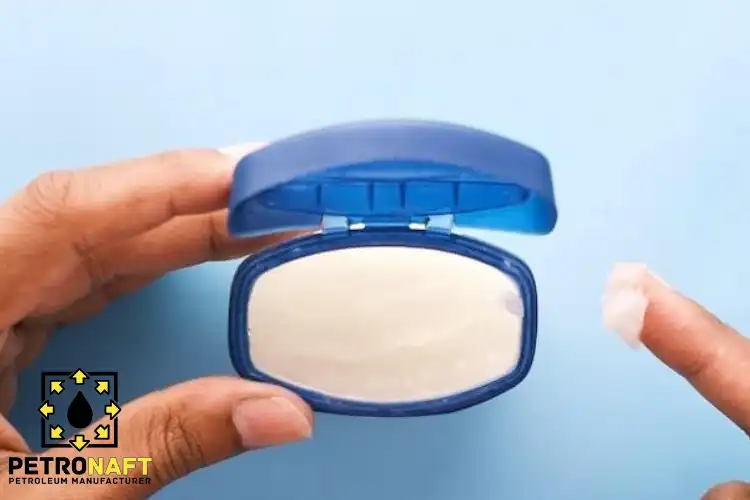
Vaseline Ingredients Explained: petroleum jelly is primarily white petrolatum—a highly purified, semi-solid blend of saturated hydrocarbons. It works by forming an occlusive barrier that reduces moisture loss and protects irritated skin. Some Vaseline variants add fragrance, flavors, or plant oils, so the exact ingredient line matters.
In this guide, you’ll learn:
- What “petrolatum” and “white petrolatum” mean on a label
- Why petroleum jelly feels greasy but performs so well on very dry skin
- How purification and grade affect quality and peace of mind
- Practical, buyer-focused ways to choose and use it (without wasted products)
Highlights & Key Sections
Vaseline Ingredients Explained: the ingredient list decoded
The simplest version of Vaseline petroleum jelly is essentially one ingredient: white petrolatum (also commonly written as petrolatum). That’s why it’s a staple in first-aid kits, pharmacies, and professional skincare routines—it’s predictable and multi-purpose.
But not every “Vaseline” product is identical. Depending on the variant (especially scented or “therapy” styles), you may see extras added for feel, scent, glide, or marketing claims.
Quick label decoder table
| What you see on the label | What it is (plain English) | Why it might be there | Best for | Watch-outs |
|---|---|---|---|---|
| Petrolatum / White petrolatum | Purified petroleum jelly | Main barrier ingredient | Very dry skin, chapped lips, cracked hands/heels | Can feel heavy; not ideal under makeup for some |
| Fragrance / Parfum | Scent blend | Smell experience | People who dislike “neutral” scent | Irritation risk for sensitive/eczema-prone skin |
| Flavor | Taste blend | Lip product experience | Lip-specific products | Sensitivities vary; avoid if reactive |
| Plant oils / butters | Emollient oils | Softer feel, more slip | Mild dryness + sensory feel | Can oxidize over time; acne-prone users may prefer simpler formulas |
| Waxes | Thickener | Texture + stability | Stick formats | Can feel tuggy on lips for some |
| Dimethicone | Silicone barrier | Smoother, less greasy barrier | “Silky” protectant feel | Rare irritation; different feel than petrolatum |
| Antioxidants (e.g., BHT, vitamin E forms) | Stabilizers | Helps prevent odor/oxidation | Products with oils/fragrance | Very low levels, but sensitive users may prefer minimal lists |
Practical takeaway: If you want the classic performance, look for the shortest ingredient line—ideally just petrolatum/white petrolatum.
What petroleum jelly actually is (and why it’s in skincare)
Petroleum jelly is a semi-solid mixture of long-chain hydrocarbons. In skincare terms, it’s an occlusive: it sits on top of the skin and slows down water escaping.
That matters because many “dry skin” problems aren’t just lack of oil—they’re a leaky skin barrier. When water evaporates fast, skin feels tight, rough, itchy, and can crack.
What it does well
- Locks in moisture you already have (or that you add underneath)
- Protects against wind, cold, friction, and frequent washing
- Supports healing by reducing irritation and allowing the surface barrier to recover
What it doesn’t do by itself
- It doesn’t add water to skin (it seals; it doesn’t hydrate)
- It doesn’t replace treatment for infections, severe burns, or deep wounds
Purification and grade: the detail professionals care about
Here’s the part most “ingredient myth” debates miss:
Petroleum-derived doesn’t automatically mean “dirty.” What matters is how refined and tested the material is.
High-quality petrolatum is produced through multi-step refining that removes problematic aromatics and other impurities, leaving a highly stable, skin-compatible material. This is why you’ll often see terms like:
- “white petrolatum”
- “pharmaceutical grade”
- “USP/BP/Ph. Eur” (depending on market)
Mini tutorial: how to pick a “clean” petroleum jelly in under 30 seconds
- Check the ingredient line: shorter is safer for sensitive skin.
- Look for grade cues: “white petrolatum” and pharmacopeia references are good signals.
- Match to your use: lips/eczema-prone users usually do best with fragrance-free options.
Why petroleum jelly is so effective on very dry skin
Among classic occlusives, petrolatum is widely considered one of the strongest at reducing transepidermal water loss. Even at relatively low concentrations in a formula, it can dramatically cut moisture loss—this is why it “rescues” cracked hands and rough patches better than many lotions.
Think of it like a protective jacket:
- Lotion = water + humectants + light oils (comfort + softness)
- Petroleum jelly = the jacket that keeps that comfort from evaporating
A simple “layering” rule that works
- Hydrate first (right after washing, when skin is slightly damp)
- Seal second (a thin layer of petroleum jelly on top)
Real-world use cases (with practical steps)
Fast-use table
| Situation | Exactly what to do | How often | What to expect |
|---|---|---|---|
| Cracked hands from frequent washing | Apply a light moisturizer, then a pea-sized layer over knuckles/cuticles | Nightly + after harsh exposure | Less stinging, fewer splits, softer skin in 2–5 days |
| Chapped lips | Tiny amount on lips (or over a lip balm) | As needed | Smooth feel, less peeling; best in cold/windy weather |
| Rough heels | After shower, apply thick layer + cotton socks | 3–5 nights/week | Noticeable softening in ~1–2 weeks |
| Friction spots (shoes, sports) | Thin layer on high-friction areas before activity | Before activity | Reduced rubbing; helps prevent irritation |
| “Slugging” trend (barrier-repair nights) | Apply normal routine, then a very thin seal layer only on dry zones | 1–3 nights/week | Helps dryness; may feel too heavy for oily/acne-prone skin |
Hands-on note (what I’ve seen repeatedly in industrial environments): People with solvent exposure or constant glove use get the best results when they treat petrolatum as a protective topcoat, not a standalone “moisturizer.”
Buyer’s guide: choosing the right product for your needs
For everyday users
Choose based on skin type + sensitivity:
- Sensitive/eczema-prone: fragrance-free, shortest ingredient list
- Normal-dry: classic petrolatum or blends with softening oils
- Oily/acne-prone: use sparingly, and prefer spot-application (around nose creases, lips, under eyes—not all over)
For professionals and procurement teams
If you’re buying for clinics, workplaces, or distribution, the smartest way to reduce complaints is to specify quality and consistency upfront:
| Spec to request | Why it matters | Practical minimum |
|---|---|---|
| Pharmacopeia-compliant grade | Confirms tighter purity expectations | USP/BP/Ph. Eur where applicable |
| Clear allergen approach | Reduces reactions and returns | Prefer fragrance-free options |
| Packaging format | Controls contamination risk | Tubes or pumps for shared settings |
| Intended use labeling | Avoids misuse | External-use guidance, warnings for deep wounds/severe burns |
| Traceability | Consistent batches | Lot coding + documented QA release |
Common myths (and the straight answer)
- Myth: “Petroleum jelly is automatically carcinogenic.”
The concern historically relates to poorly refined petroleum materials. Highly refined cosmetic/pharmaceutical-grade mineral oils and waxes are permitted under strict conditions and are assessed as not posing expected health risks when used dermally. - Myth: “It hydrates skin.”
It mainly prevents water loss. Pair it with hydration (damp skin or moisturizer) for best results. - Myth: “It always clogs pores.”
Many people tolerate petrolatum well, but if you’re acne-prone, treat it like a tool: spot-apply where you’re dry rather than coating the entire face. - Myth: “All Vaseline products have the same ingredients.”
The classic petroleum jelly version is simple, but other variants can include fragrance, flavors, or added emollients—always check the ingredient line.
One important compatibility warning
Oil-based products (including petroleum jelly) can weaken latex. If you need lubrication with latex protection, choose water-based or silicone-based options instead.
Executive Summary and Practical Checklist
If you only remember one thing from Vaseline Ingredients Explained, remember this: petrolatum is a high-performance moisture seal—choose the simplest formula for sensitive skin, and layer it over hydration for best results.
Checklist (copy/paste friendly):
- Ingredient line is short (ideally petrolatum/white petrolatum only)
- Fragrance-free if you’re sensitive, eczema-prone, or buying for broad audiences
- Use it as a seal: apply on damp skin or over moisturizer
- Spot-apply on face if acne-prone (avoid full-face coating)
- Don’t use on deep/puncture wounds, animal bites, or serious burns
- Avoid oil-based products with latex protection needs
FAQs
1) Is petroleum jelly the same as Vaseline?
Vaseline is a well-known brand name. Petroleum jelly is the product category. Many Vaseline “jelly” products are primarily petrolatum, but other Vaseline variants can include added ingredients.
2) What’s the difference between petrolatum and white petrolatum?
They’re closely related terms; “white petrolatum” typically signals a more highly refined grade with tighter appearance/purity expectations used in topical products.
3) Does petroleum jelly moisturize or just seal?
Mostly it seals. It reduces moisture loss, which helps skin feel moisturized, but it doesn’t add water. For best results, apply it over damp skin or a moisturizer.
4) Can I use petroleum jelly around my eyes and lips?
Many people use a tiny amount safely on these areas because it’s inert and protective. Keep it out of the eyes themselves, and patch-test if you’re highly sensitive.
5) Is it safe to use petroleum jelly every day?
For many people, yes—especially on hands, lips, and very dry patches. Daily use is most helpful when you also address the cause of dryness (harsh soaps, cold exposure, frequent washing).
Sources
- Official drug label information for Vaseline Healing Jelly, including active ingredient identity and key warnings. DailyMed: Vaseline Healing Jelly label.
- U.S. OTC skin-protectant monograph detailing permitted active ingredients and concentration ranges for petrolatum/white petrolatum. OTC Monograph M016 (PDF).
- Peer-reviewed dermatology review summarizing moisturizer types and petrolatum’s strong occlusive effect on transepidermal water loss. Moisturizers: The Slippery Road (PMC).
- Public-health guidance on condom use and why oil-based products (including petroleum jelly) can weaken latex. Condom Use: An Overview.
- Risk assessment on highly refined mineral oils in cosmetics, including EU refining-history requirements and conclusions on expected consumer health risk. BfR Opinion 008/2018 (PDF).