


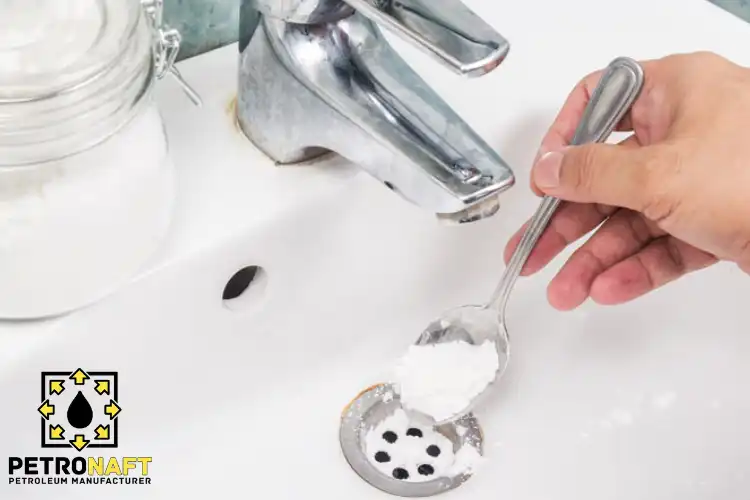
Caustic Soda Flakes for Drain Cleaning: can clear many slow drains caused by grease, soap scum, and food oils by breaking them into washable compounds. Use the right amount, add flakes to cold water (never the reverse), let it work, then flush thoroughly. Avoid mixing with other cleaners, and don’t use it on unknown metal pipes or severe blockages.
In plain terms, here’s what to expect
- Best for: kitchen grease, soap scum, organic grime, “slow-but-moving” drains
- Not great for: hair mats, hard scale/mineral buildup, foreign objects, fully blocked lines
- Risk level: high (corrosive). Treat it like a professional chemical, not a “quick hack.”
Highlights & Key Sections
When caustic soda is the right tool (and when it’s not)
Most drain problems fall into a few predictable buckets. Diagnose first; you’ll save time and reduce risk.
| Symptom | Likely cause | Best first move | Is caustic soda a fit? |
|---|---|---|---|
| Slow kitchen sink, greasy smell | Fats/oils + food film | Hot water + dish detergent flush, then chemical only if needed | Yes (often) |
| Bathroom sink slow, “gel-like” slime | Soap scum + toothpaste + skin oils | Remove stopper, clean trap if possible | Sometimes |
| Shower/tub slow, visible hair | Hair mat near drain | Hair hook/zip tool, trap clean-out | Usually no |
| Fully blocked, standing water | Solid blockage or heavy mat | Mechanical snake or plumber | No |
| Gurgling + multiple fixtures slow | Main line / vent issue | Stop chemicals, call pro | No |
Quick “go/no-go” rule
- If water still drains slowly, you can consider a careful chemical approach.
- If water doesn’t move at all, skip caustic soda and go mechanical.
Caustic Soda Flakes for Drain Cleaning: What They Do (and What They Don’t)
Caustic soda flakes are sodium hydroxide (NaOH) in solid form. In drains, it helps mainly by:
- Breaking down fats and oils into soap-like compounds that rinse away
- Softening organic grime so water flow can carry it out
- Raising pH sharply, which changes how greasy residues behave
What it doesn’t do well:
- It won’t “melt” hair clumps reliably. Hair is tough protein and often forms a physical net.
- It won’t solve mineral scale (hard water buildup). That’s a different chemistry problem.
- It won’t remove plastic, toys, wipes, or sand stuck in the line.
Real-world insight: In maintenance settings (restaurants, food processing, workshops), NaOH works best as a grease-management tool—not as a rescue solution for major blockages.
Safety isn’t optional (seriously)
Caustic soda can cause severe skin burns and eye damage. Treat it like industrial material.
Minimum PPE for home use
- Chemical-resistant gloves (nitrile/neoprene, not thin latex)
- Goggles (not just glasses)
- Long sleeves + closed shoes
- Good ventilation
Never mix with
- Bleach (or “chlorine” cleaners)
- Acids (vinegar, toilet descalers)
- Unknown drain openers (many are blends)
Two critical handling rules
- Add flakes to cold water, not water to flakes.
- Use a plastic container rated for chemicals (HDPE is common). Avoid aluminum.
| Do | Don’t |
|---|---|
| Keep children/pets away | “Top up” with other cleaners |
| Work slowly to avoid splashes | Use on unknown metal piping |
| Rinse tools and surfaces with plenty of water | Neutralize spills with acid in a hurry |
| Store sealed and labeled | Leave the lid open (it absorbs moisture) |
Mini tutorial: safe, practical use for a slow drain (sink or floor drain)
This workflow focuses on control and predictability. It’s slower than “dump and pray,” but much safer.
Step 1) Confirm the drain is worth treating
- Remove the stopper if possible and pull out visible gunk.
- If you can access the trap and it’s easy, clean it mechanically first.
- If multiple fixtures are slow, stop and investigate the main line.
Step 2) Measure your dose (don’t guess)
Start small. Overdosing increases heat and splash risk without guaranteed benefits.
Typical starting ranges (for slow drains, not full blockages)
- Bathroom sink: 30–60 g
- Kitchen sink: 60–120 g
- Floor drain: 100–200 g (only if it’s draining, not standing full)
If you don’t have a scale, buy a small digital one. It’s safer than estimating.
Step 3) Prepare a controlled solution
- Put cold water in the container first (enough to dissolve the dose).
- Slowly add flakes to the water while stirring gently.
- Let it settle and cool if it warms up noticeably.
Step 4) Apply and wait
- Pour the solution slowly into the drain to minimize splash.
- Wait 15–30 minutes for typical greasy/soapy buildup.
- For stubborn kitchen grease, you may extend to 45 minutes—but don’t leave it for hours.
Step 5) Flush properly
- Flush with plenty of water.
- Use warm-to-hot water if your plumbing can handle it, but avoid extreme temperature swings.
Success check
- The drain should run faster and sound smoother.
- If it improves but isn’t perfect, repeat once with the same dose rather than doubling it.
Material compatibility: what you can damage (and what usually tolerates short contact)
Because sodium hydroxide is strongly alkaline, it can attack certain metals and finishes—especially with heat and long contact times.
| Material / component | Compatibility (short exposure) | Notes |
|---|---|---|
| PVC / ABS drain pipe | Usually OK | Avoid very hot, concentrated solution; rinse well |
| Copper / brass | Caution | Short contact often tolerated, but avoid repeated treatments |
| Stainless steel | Caution | Better than many metals, but not “immune” |
| Aluminum / galvanized parts | Avoid | Can react and corrode quickly; risk increases in older systems |
| Porcelain / ceramic | Usually OK | Rinse splashes immediately |
| Chrome fixtures | Caution | Can dull finishes if left on surfaces |
If you don’t know what your pipes are: treat that as a “no” until you confirm.
Septic systems and frequent use: what professionals do differently
For septic tanks, the goal is simple: protect the biology that makes the system work.
- One careful use in a slow drain is often tolerated, but frequent use can disrupt bacterial activity.
- For routine maintenance, many professionals prefer enzyme/bio maintenance products and mechanical cleaning because they are gentler on long-term system balance.
Trend to know (and why it matters): property managers and commercial kitchens increasingly combine preventive maintenance (enzymes + scheduled trap cleaning) with camera inspections and hydro-jetting when lines show recurring restriction. It’s more predictable, safer for assets, and reduces emergency call-outs.
Troubleshooting: if it didn’t work, do this next
If there’s no improvement
- Stop chemical attempts and switch to mechanical removal (hair tool, trap cleaning, snake).
- A persistent blockage often means a physical obstruction or a deeper restriction in the line.
If it gets worse (slower or stops)
- Don’t keep adding chemicals. You may have concentrated solution sitting in the line.
- Flush carefully with water. If water won’t move, call a professional and tell them what you used.
If there’s heat, bubbling, or strong fumes
- Step back, ventilate, and avoid splashing.
- Don’t introduce other cleaners “to fix it.”
Buying guide: what to look for (home users and professional buyers)
Not all caustic soda flakes behave the same in storage, handling, and dissolving. If you’re sourcing for professional use, specs matter.
| What to check | Why it matters in drain cleaning | Practical target |
|---|---|---|
| Purity | Higher purity = more predictable dosing | Typically ≥98% for industrial-grade |
| Flake size/consistency | Affects dissolving speed and dust | Uniform flakes, low fines |
| Moisture control | NaOH absorbs water and cakes | Moisture-resistant packaging |
| COA / batch traceability | Supports consistent results for facilities | Batch COA on request |
| SDS + labeling (GHS/CLP) | Compliance and safe handling | Current SDS, correct hazard pictograms |
| Packaging options | Storage and dispensing safety | Sealed bags/drums with clear labeling |
Practical tip for buyers: If a product arrives clumped or wet-looking, it likely absorbed moisture. That doesn’t just reduce convenience—it can make dosing inconsistent and increase handling risk.
Storage and handling tips that prevent costly mistakes
- Store in a cool, dry place away from acids and moisture.
- Keep containers tightly closed; NaOH is hygroscopic and can cake.
- Use dedicated scoops and keep the area clean and dry.
- Label clearly and keep SDS accessible in workplaces.
- Train staff on “no-mix” rules and proper PPE.
Mini case example (facility maintenance)
- A small café had repeat “slow drain” events in the dishwashing line.
- The fix wasn’t stronger dosing—it was better grease control: a weekly warm-water flush, scheduled trap cleaning, and occasional chemical use only when the flow first slowed.
- The result was fewer emergencies and less pipe stress from repeated chemical shocks.
Conclusion
Used correctly, Caustic Soda Flakes for Drain Cleaning: can be a high-impact solution for grease and soap-based restrictions—especially in kitchens and light commercial maintenance. The key is disciplined dosing, safe mixing, and knowing when to stop and go mechanical. Treat it as a controlled chemical process, not a shortcut, and you’ll get better results with far less risk.
Executive Summary Checklist
- Confirm it’s a slow drain, not a full blockage
- Remove visible debris (stopper/trap) first
- Wear gloves + goggles and ventilate the area
- Measure a conservative dose (start small)
- Add flakes to cold water, stir gently, allow heat to settle
- Apply slowly, wait 15–30 minutes
- Flush thoroughly with plenty of water
- If no improvement after one repeat, switch to mechanical methods
- Never mix with bleach, acids, or unknown cleaners
- Store sealed, dry, labeled, and away from incompatible chemicals
FAQ
1) Can caustic soda flakes clear hair clogs?
Sometimes it softens grime around hair, but it rarely dissolves a dense hair mat fully. A hair tool or trap clean-out usually works faster and safer.
2) Is it safe for PVC pipes?
Short exposure at controlled concentration is generally tolerated, but high heat and long contact times raise the risk of softening or stressing plastics. Always flush well.
3) What should I do if the drain is fully blocked and water is standing?
Avoid caustic soda. Standing water increases splash and heat risk and traps corrosive solution in the line. Use mechanical methods or call a plumber.
4) Can I use it in a septic system home?
Occasional careful use may be tolerated, but frequent chemical shocks can disturb the bacterial balance. For routine maintenance, mechanical cleaning and bio/enzyme options are often better.
5) Flakes vs liquid drain cleaner—what’s better?
Flakes can be cost-effective and strong, but they demand careful mixing and dosing. Liquids are easier to dose but vary widely in formulation and can still be hazardous.
Sources
- CDC/NIOSH Pocket Guide – Sodium Hydroxide — Practical hazard and exposure guidance commonly used for workplace chemical safety.
- PubChem – Sodium Hydroxide — Chemical identity, properties, and safety-related summaries for technical reference.