
Caustic Soda for Agriculture

Caustic Soda for Agriculture has been a cornerstone in farming practices for decades. Its impact on soil treatment and crop health has provided farmers with tools to enhance yield and maintain soil vitality, setting the stage for modern innovations.
Difference Between Bitumen and Gilsonite

When it comes to industrial applications, understanding the difference between Bitumen and Gilsonite can greatly influence your project’s success. Whether it’s road construction or paint manufacturing, each material has its unique attributes and limitations.
Gilsonite Powder for Coatings

Delving into Gilsonite Powder for Coatings provides an insight into its unparalleled attributes. Originating from a distinctive chemical composition, this additive enhances the durability and appeal of coatings, positioning it as a frontrunner in the industry.
Caustic Soda Specifically for Soap Making

Caustic Soda Specifically for Soap Making is not just an ingredient; it’s the bedrock of successful saponification. Delving into its chemistry reveals how it transforms fats into cleansing bars, ensuring quality and performance.
Paraffin Wax for Woodworking

Paraffin Wax for Woodworking is more than just a treatment; it’s a legacy embedded within the pages of craftsmanship history. Diving deep into its origins reveals how this versatile agent has shaped woodworking’s very essence over the years.
Petroleum Jelly for Coatings

Petroleum Jelly for Coatings has proven its efficacy in several domains. This introduction will lay the foundation for understanding the unique properties and benefits that make petroleum jelly an exceptional choice for various types of coatings.
Polymer Modified Bitumen for Race Tracks

Polymer Modified Bitumen for Race Tracks has undeniably transformed the motorsport arena. By merging advanced polymer technologies with traditional bituminous materials, race tracks have witnessed an uplift in durability, performance, and safety. This evolution signifies a dynamic shift in race track construction, paving the way for a more advanced and reliable racing experience.
Performance Grade Bitumen for Bridges: Benefits & Applications

Performance Grade Bitumen for Bridges helps bridge owners and contractors choose a binder that matches climate, traffic, and waterproofing needs. This article explains the main benefits, practical applications, buying criteria, and specification logic behind PG binders so readers can make better technical and commercial decisions with less risk of premature deck failure.
Paraffin Wax Emulsion for Paper Industry: Uses & Benefits

Paraffin Wax Emulsion for Paper Industry helps paper and paperboard achieve better moisture resistance, grease holdout, and overall barrier performance through a water-based coating approach. This article explains how it works, where it fits best, how to choose the right grade, what problems to avoid, and which technical checks matter before commercial use.
Gilsonite Powder: Properties, Uses & Applications
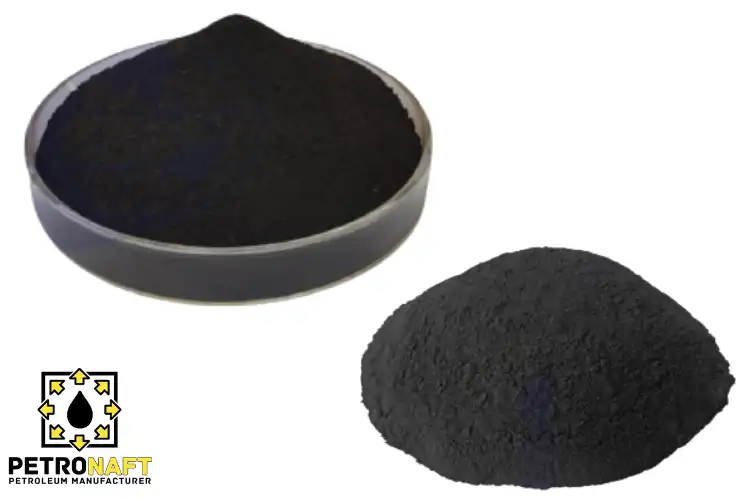
Gilsonite Powder is a high-value natural asphaltite used in asphalt modification, drilling fluids, inks, coatings, and other industrial systems. This article explains its core properties, practical applications, buying criteria, and performance trade-offs in clear, professional terms so manufacturers, procurement teams, and technical users can make smarter decisions.
Polyethylene Wax for Road Marking Paints: Benefits & Uses

Polyethylene Wax for Road Marking Paints helps improve application stability, abrasion resistance, surface cleanliness, and overall line durability. This article explains how it works, which grades suit different systems, how to test it correctly, and what buyers and formulators should check before choosing a supplier or approving a formulation.
Cutback Bitumen for Prime Coat and Tack Coat: Uses & Grades
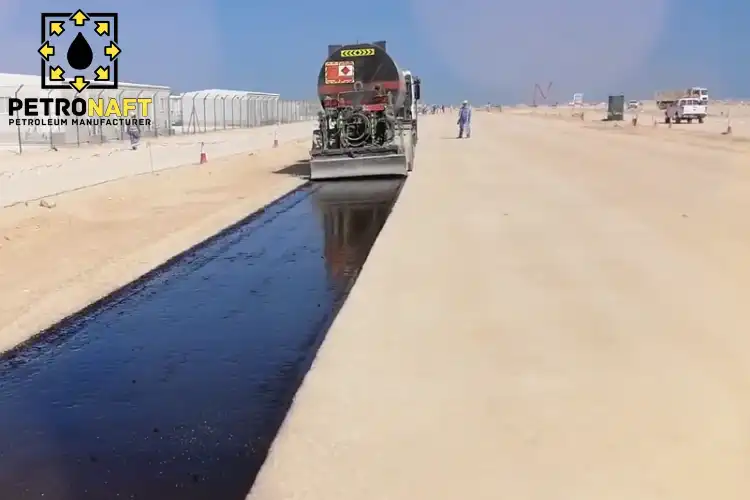
Cutback Bitumen for Prime Coat and Tack Coat is not a one-size-fits-all solution. This article explains where cutback still performs well, which grades fit different base conditions, how prime differs from tack, and why many modern specifications now favor emulsions for tack work. It also includes practical rate tables, buyer tips, and a clear selection checklist.