


Paraffin Wax Emulsion for Paper Industry: Uses & Benefits
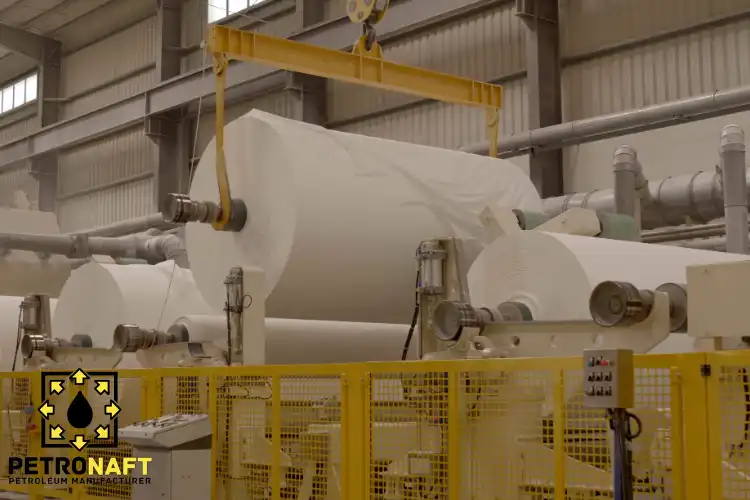
Paraffin Wax Emulsion for Paper Industry helps paper and paperboard achieve better moisture resistance, grease holdout, and overall barrier performance through a water-based coating approach. This article explains how it works, where it fits best, how to choose the right grade, what problems to avoid, and which technical checks matter before commercial use.
Gilsonite Powder: Properties, Uses & Applications
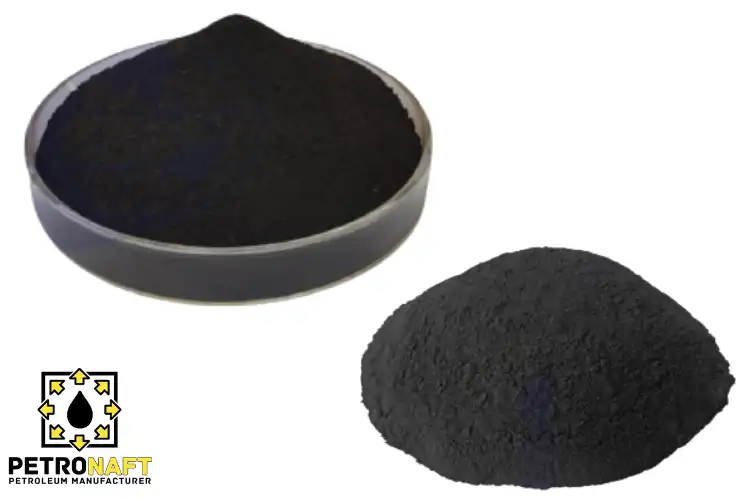
Gilsonite Powder is a high-value natural asphaltite used in asphalt modification, drilling fluids, inks, coatings, and other industrial systems. This article explains its core properties, practical applications, buying criteria, and performance trade-offs in clear, professional terms so manufacturers, procurement teams, and technical users can make smarter decisions.
Polyethylene Wax for Road Marking Paints: Benefits & Uses
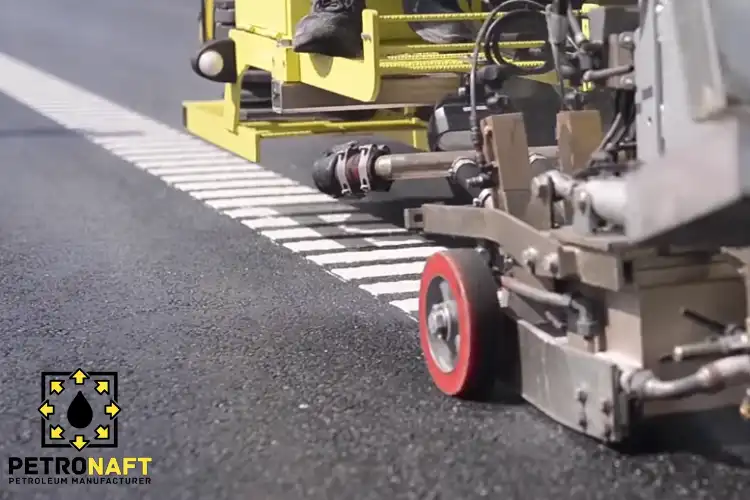
Polyethylene Wax for Road Marking Paints helps improve application stability, abrasion resistance, surface cleanliness, and overall line durability. This article explains how it works, which grades suit different systems, how to test it correctly, and what buyers and formulators should check before choosing a supplier or approving a formulation.
Cutback Bitumen for Prime Coat and Tack Coat: Uses & Grades
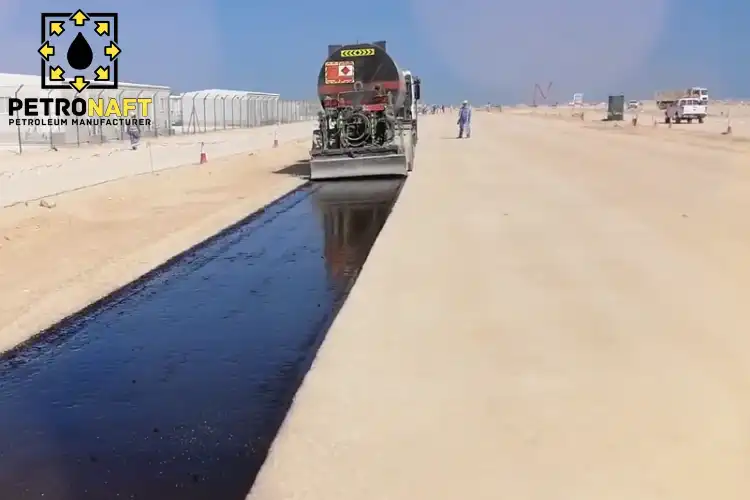
Cutback Bitumen for Prime Coat and Tack Coat is not a one-size-fits-all solution. This article explains where cutback still performs well, which grades fit different base conditions, how prime differs from tack, and why many modern specifications now favor emulsions for tack work. It also includes practical rate tables, buyer tips, and a clear selection checklist.
Caustic Soda for Water Treatment: Uses, Benefits, and Safety
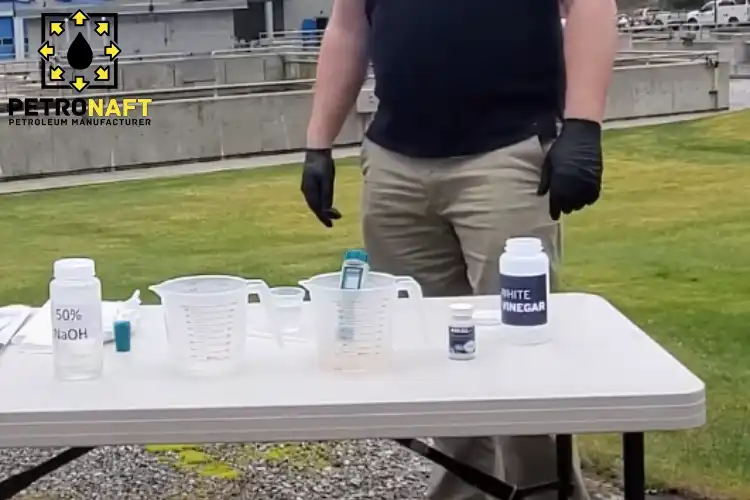
Caustic Soda for Water Treatment is widely used to raise pH, improve corrosion control, and support metal precipitation in drinking water and wastewater systems. This article explains where it works best, how it compares with lime and soda ash, what dosing and mixing issues operators should watch, and which safety and procurement checks matter before purchase.
Industrial Vaseline for Lubrication: Uses, Benefits & Applications
Industrial Vaseline for Lubrication is a practical choice for light-duty lubrication, corrosion protection, moisture sealing, and cable-related applications. This article explains where it performs best, where it should not be used, how to compare it with grease and oil, and what technical criteria buyers should check before selecting a grade for industrial service.
PE Wax for Candle Making: Benefits, Uses & How to Use It

This guide explains PE Wax for Candle Making in clear, practical terms. It covers what the additive does, where it works best, how much to test, common formulation mistakes, and how to improve hardness, heat stability, glass performance, and scent retention without overloading your wax blend. It is written for buyers, candle makers, and product developers.
White Oil in Cosmetic Products: Uses, Benefits & Safety
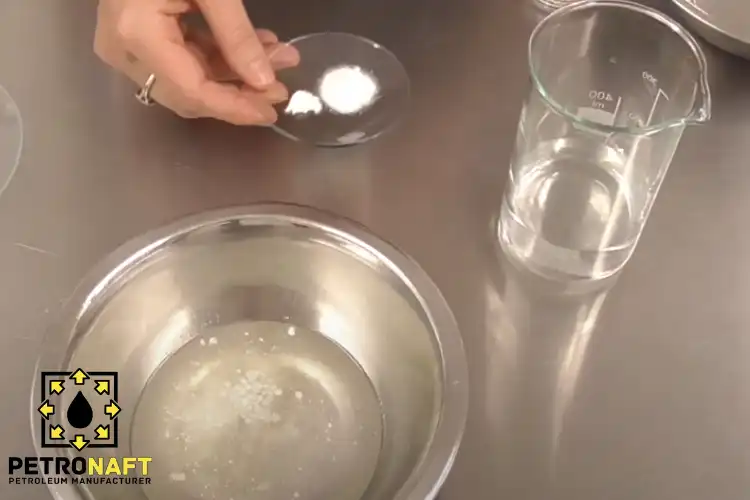
White Oil in Cosmetic Products is widely used because it helps soften skin, reduce moisture loss, improve spreadability, and support stable formulations. This article explains how it works in creams, cleansers, and lip care, what current safety evidence shows, and how buyers and formulators can choose the right grade with more confidence.
Bitumen Emulsion for Insulation: Types, Uses & Selection Guide
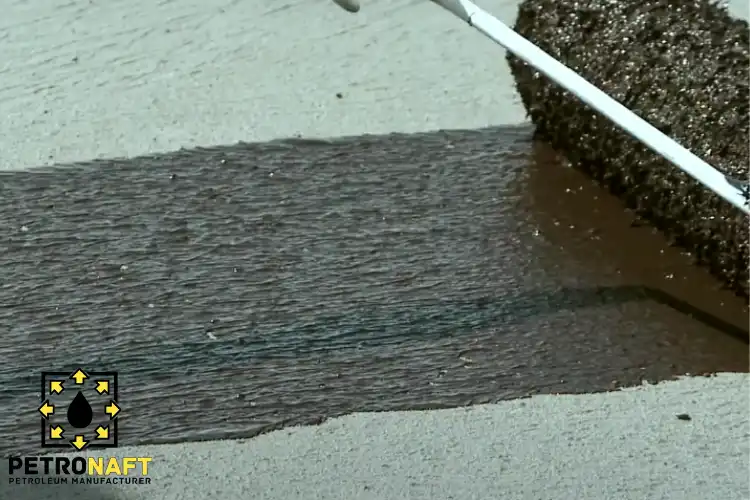
This article explains how to choose Bitumen Emulsion for Insulation based on moisture exposure, substrate condition, curing requirements, compatibility, and application type. It compares major product categories, highlights common mistakes, includes practical examples, and ends with a clear checklist to help buyers, engineers, and contractors make better decisions.
Petroleum Jelly for Pharmaceuticals: Uses, Safety & Standards
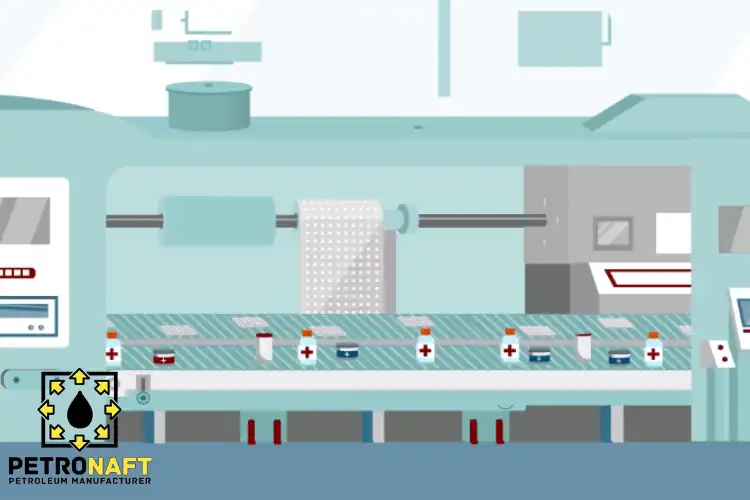
Petroleum Jelly for Pharmaceuticals is a widely used excipient in ointments, barrier products, and selected pharmaceutical applications. This article explains its main uses, safety considerations, quality standards, and practical buying criteria so manufacturers, distributors, and formulators can choose the right grade with greater confidence and avoid costly qualification mistakes.
Bitumen Emulsion for Waterproofing: Benefits & Application Guide
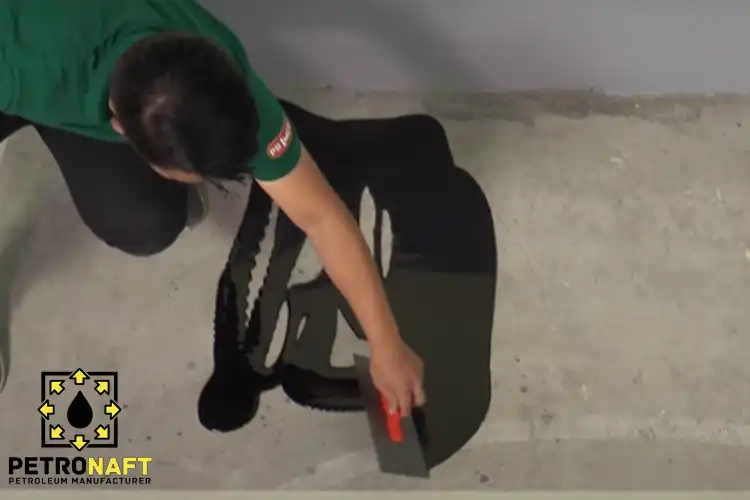
Bitumen Emulsion for Waterproofing is a practical cold-applied solution for roofs, foundations, retaining walls, and repair work. This article explains how it works, where it performs best, how to apply it correctly, what buyers should check before purchasing, and which common mistakes reduce long-term waterproofing performance.
Polymer-Modified Bitumen (PMB) for Waterproofing: Benefits
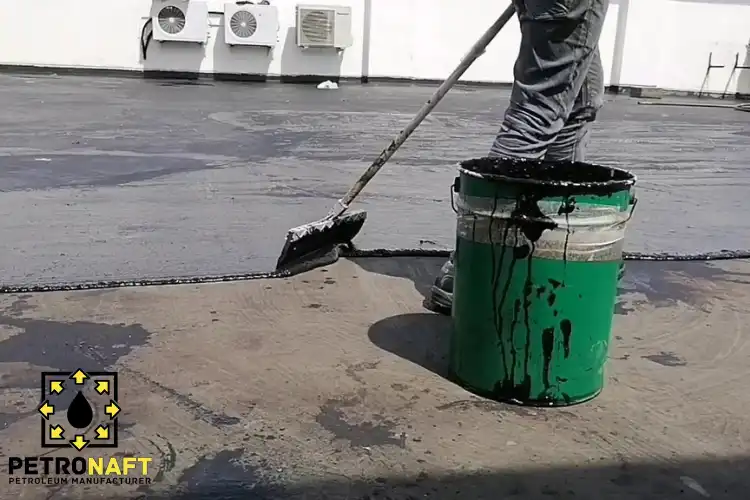
Polymer-Modified Bitumen for Waterproofing is a proven way to protect roofs, terraces, and foundations where heat, movement, and standing water punish ordinary membranes. This guide breaks down SBS vs APP options, where each performs best, what to request from suppliers, and the site practices that prevent blisters, open laps, and edge failures. You’ll also get quick repair methods and a final project checklist.