


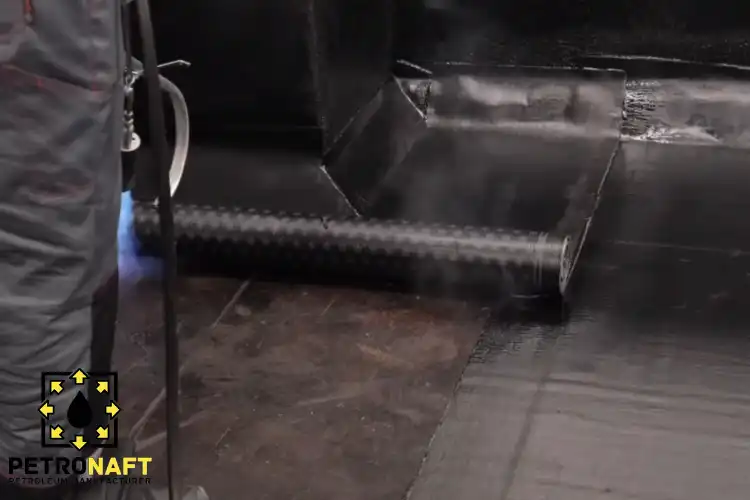
Bitumen for Waterproofing works best when the system matches the structure, climate, and installation method. In most projects, polymer-modified bitumen delivers the most reliable result: SBS is often preferred for flexibility and detailing, while APP is commonly selected for heat resistance and exposed applications. Long-term performance depends on correct design, skilled installation, and proper protection.
A buyer, contractor, or project engineer usually gets the best result by answering four questions first:
- Is the waterproofing exposed, buried, or protected by screed, soil, pavers, or concrete?
- Will the structure face movement, cracking, ponding, or hydrostatic pressure?
- Is torch application acceptable on site, or is a self-adhered or cold-applied system safer?
- Does the project need a coating, a single membrane, or a reinforced multi-layer assembly?
Those questions matter because waterproofing with bitumen is not one single product. It includes oxidized bitumen coatings, APP membranes, SBS membranes, self-adhesive sheets, primers, and complete layered systems with protection boards and drainage layers. The right choice is a system decision, not just a material decision.
Highlights & Key Sections
What bitumen waterproofing really is
Bitumen is a petroleum-derived binder valued in construction for adhesion, water resistance, and durability. In waterproofing, it is usually used as part of a factory-made sheet membrane or a coating system rather than as a standalone raw material on modern projects.
In practical construction work, the most common high-performance solutions are polymer-modified bitumen membranes. These membranes combine bitumen with reinforcement and modifiers that improve flexibility, strength, heat resistance, and service life. Modern reinforced membranes typically use polyester, glass fiber, or a composite of both.
Types of bitumen waterproofing materials
| Type | What it is | Best use | Main advantage | Main limitation |
|---|---|---|---|---|
| Oxidized bitumen coating | Air-blown bitumen used in coatings, mastics, or primers | Damp-proofing, primers, maintenance layers | Economical and simple | Lower movement tolerance than modified membranes |
| SBS-modified membrane | Elastomeric modified bitumen with polyester, glass, or composite reinforcement | Foundations, podiums, roofs with movement, complex details | Flexible, crack-tolerant, good recovery | Needs disciplined installation and detailing |
| APP-modified membrane | Plastomeric modified bitumen membrane | Exposed roofs, warm climates, projects needing strong weathering resistance | Good heat stability and weathering resistance | Usually less forgiving on movement-heavy details than SBS |
| Self-adhered bitumen membrane | Bitumen sheet with factory adhesive backing | Torch-restricted sites, occupied buildings, fast installation zones | No open flame, cleaner application | Temperature and surface prep are critical |
| Multi-layer bitumen system | Two or more coordinated plies with flashing, protection, and drainage | High-value roofs, plaza decks, below-grade walls | Redundancy and durability | Higher upfront system cost |
A simple rule works well in the field:
- Choose SBS when the substrate may move, the detailing is difficult, or cold-weather flexibility matters.
- Choose APP when the membrane will be more exposed to heat and weathering and you want a tougher plastomeric sheet.
- Choose self-adhered systems when torch use is restricted or the project is sensitive to fire risk, odor, or occupant disruption.
Bitumen for Waterproofing: Where It Performs Best
Bitumen for Waterproofing performs especially well in these areas:
- Flat and low-slope roofs
- Basement walls and retaining walls
- Podium decks and plaza decks
- Bridge decks and trafficable structures
- Wet rooms, balconies, and protected terraces
- Tanking and below-grade structures where hydrostatic resistance is required
For below-grade walls, the membrane must do more than repel water. It should maintain watertightness under moisture exposure and possible hydrostatic pressure, while also resisting construction damage, soil stress, and compatibility issues with the surrounding assembly. That is why protection boards and drainage layers are often just as important as the membrane itself.
For roofs, modified bitumen remains a proven choice because a well-designed reinforced system can deliver a long service life. In many cases, the limiting factor is not the membrane itself, but poor workmanship, weak detailing, or lack of maintenance.
Benefits that matter to buyers and specifiers
The main commercial reason buyers choose bitumen membranes is not only waterproofing. It is predictable system performance.
Key benefits include:
- Strong adhesion to many prepared substrates
- Availability in torch, self-adhered, cold-applied, and hot-applied formats
- Good puncture resistance when reinforced properly
- Reliable detailing around drains, parapets, curbs, and penetrations
- Repairability and compatibility with refurbishment strategies
- Broad availability across industrial, commercial, and civil projects
This is why bituminous membranes remain common in roofs, foundations, and engineered decks: they combine proven water resistance with adaptable installation methods and reinforcement options.
Which system should you choose?
Use this decision table when reviewing supplier offers.
| Project condition | Better fit | Why |
|---|---|---|
| Cold climate or frequent thermal movement | SBS membrane | Better flexibility and recovery |
| Hot exposed roof | APP cap sheet or weather-resistant exposed membrane | Better high-temperature and weathering performance |
| Occupied building, hospital, school, or torch-restricted site | Self-adhered or cold-applied system | Lower fire risk and less disruption |
| Foundation wall before backfilling | Fully adhered membrane + protection board + drainage layer | Better resistance to site damage |
| Podium or plaza deck | Reinforced multi-layer system | More redundancy under overburden |
| Complex penetrations and many details | SBS + compatible flashing solution | Easier detailing and movement accommodation |
A strong procurement checklist should ask every supplier for:
- Product standard or certification
- Reinforcement type
- Thickness and mass per unit area
- Installation temperature limits
- Primer and substrate compatibility
- Lap-sealing method
- Protection board requirement
- Testing and inspection plan
- Warranty scope and exclusions
That approach prevents a common mistake: buying on price per roll instead of on system suitability.
Mini tutorial: how to specify a foundation wall system
Here is a simple professional workflow for a below-grade concrete wall.
1) Assess water exposure
Classify the wall as damp-proofing duty, standard waterproofing duty, or hydrostatic-pressure duty. A wall facing retained soil and seasonal groundwater needs a real waterproofing system, not just a light coating.
2) Prepare the substrate
The concrete should be clean, sound, dry enough for the chosen system, and free from fins, honeycombs, dust, and sharp protrusions. Prime when the manufacturer requires it. Poor preparation causes more failures than the membrane chemistry itself.
3) Install the membrane as a system
Apply primer, place the membrane with the correct overlap, fully seal laps, and reinforce corners, terminations, and penetrations. On self-adhered systems, temperature and roller pressure matter. On torch systems, heat control and fire-safe detailing matter.
4) Protect it before backfill
Add protection board and, where needed, drainage media. This step is not optional on many foundation projects. A perfect membrane can still fail if other trades damage it during backfilling.
5) Inspect before covering
Check laps, corners, penetrations, and transitions. For horizontal waterproofing, flood testing or electronic leak detection may be appropriate depending on the assembly and project conditions.
A simple field example: on a basement wall with irregular penetrations and expected minor structural movement, many contractors prefer an SBS-based membrane rather than a stiffer sheet because it is more forgiving at corners and around pipe details. On a hot exposed roof in a sunny region, an APP cap sheet may be the smarter finish layer.
Common failures and how to avoid them
Most failures blamed on bitumen are actually system failures.
| Failure | Typical cause | Prevention |
|---|---|---|
| Blistering or poor bond | Damp or dirty substrate | Improve substrate prep and priming |
| Leaks at laps | Inadequate overlap or weak heat or adhesive bond | Follow product lap details and inspect seams |
| Puncture after installation | No protection board or careless traffic | Protect immediately after application |
| Failure at penetrations | Weak detailing | Use reinforced flashing and compatible accessories |
| Premature aging | Wrong membrane for exposure | Match modifier, surfacing, and exposure class |
| Persistent leakage despite a “good membrane” | Poor design drainage or movement management | Review the full assembly, not only the sheet |
The big lesson is clear: membrane quality matters, but design, workmanship, substrate behavior, and maintenance usually decide the real outcome.
Current trends shaping bitumen waterproofing
Two trends are especially relevant right now.
First, self-adhered modified bitumen systems continue to gain attention because many sites want lower fire risk, less odor, and simpler installation logistics. This is especially relevant in occupied buildings, renovations, hospitals, schools, and projects with strict hot-work controls.
Second, electronic leak detection is becoming more valuable on complex roofs and protected waterproofing assemblies. Once a membrane is buried under overburden, insulation, pavers, or topping slabs, finding a small breach becomes expensive. Early testing helps reduce long-term repair costs and gives specifiers more confidence before final covering.
Executive Summary Checklist
Before buying or specifying a bitumen waterproofing product, confirm all of the following:
- The membrane type matches the exposure: SBS, APP, oxidized, or self-adhered
- The reinforcement type fits the movement and puncture demands
- The substrate is compatible with the primer and bonding method
- Details for drains, corners, joints, and penetrations are fully designed
- Protection board and drainage layers are included where needed
- Inspection and testing are planned before covering the membrane
- The supplier provides a full system, not just a roll
- The datasheet states the relevant standard
- Installation limits for temperature, storage, and application are clear
- The warranty covers the intended use, not only the material
Bitumen for Waterproofing gives excellent results when it is treated as a complete engineered system. Choose by exposure, movement, installation method, and detailing difficulty—not by price alone—and the membrane is far more likely to deliver durable, low-risk waterproofing.
FAQs
1) Is bitumen waterproofing better than liquid waterproofing?
It depends on the project. Bitumen membranes usually offer more consistent factory-controlled thickness and reinforcement, while liquid systems can handle complex shapes better. For large roofs, basements, and decks, reinforced bitumen often delivers more predictable long-term performance.
2) What is the difference between SBS and APP membranes?
SBS is elastomeric and generally preferred where flexibility, crack-bridging, and detailing matter most. APP is plastomeric and is often selected for stronger heat resistance and weathering performance on exposed surfaces.
3) Can bitumen waterproofing be used below ground?
Yes. It is widely used for basements, retaining walls, and under-structure protection. Below grade, the membrane should be paired with proper substrate preparation, protection board, and drainage design.
4) How long does bitumen waterproofing last?
Service life depends on exposure, membrane type, detailing, maintenance, and whether the system is protected. Well-designed modified bitumen systems can last for decades, but poor detailing or careless installation can shorten that lifespan significantly.
5) Is self-adhesive bitumen membrane good enough for professional projects?
Yes, when the product is correctly specified and installed under the right conditions. It is especially useful where torch use is restricted, but it still requires strict surface preparation, temperature control, and seam inspection.
Sources
- Eurobitume & Asphalt Institute – The Bitumen Industry: A Global Perspective — Official technical overview of bitumen manufacture, properties, terminology, and construction uses.
- European Waterproofing Association – Review of Durability of Bitumen Waterproofing — Industry-backed durability review covering service life, reinforcement, modifiers, and the role of design and maintenance.
- ASTM Roofing Standards — Official standards index covering modified bituminous sheet materials and waterproofing guidance.
- IKO Technical Specification Manual – SBS Application — Practical application guide showing installation methods, laps, primers, and temperature-related site considerations.
- ASTM D7832 – Performance Attributes for Below-Grade Waterproofing Membranes — Official guide explaining performance expectations for reinforced or laminated membranes on below-grade walls.