

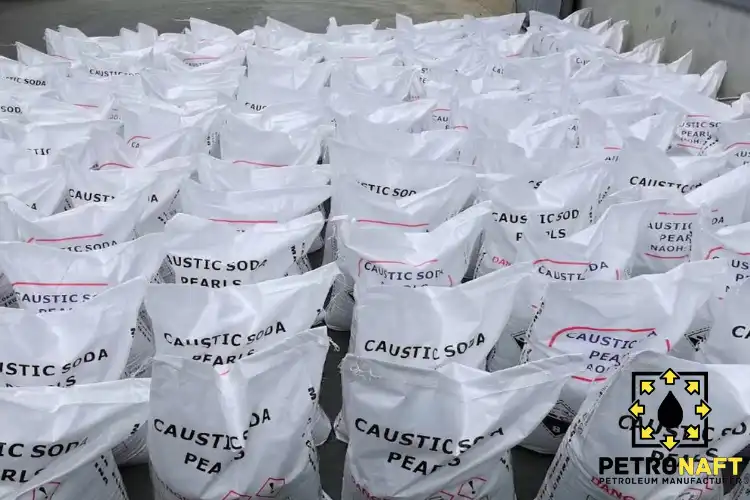
High-Quality Caustic Soda is identified by a verified NaOH assay, low carbonate and chloride, tight limits on trace metals, and clean, dry packaging that prevents moisture and CO₂ pickup. The fastest path is: match the grade to your end-use, confirm key limits on the COA, then run simple receiving checks (appearance, seal integrity, and solution strength).
Most buyers get burned for one of three reasons: they buy the wrong grade, they trust an incomplete COA, or they let storage/handling degrade a good product before it reaches the process. This guide helps you avoid all three.
Highlights & Key Sections
High-Quality Caustic Soda: The Buyer’s Definition of Purity
“High-quality” isn’t just “98–99%.” It means the product behaves predictably in your process, batch after batch.
A practical definition: high-quality NaOH has a consistent assay and controlled impurities that don’t trigger your real-world failures like haze, scaling, corrosion, catalyst poisoning, off-color, or unexpected pH drift.
In purchasing terms, you’re buying:
- Assay consistency (the NaOH you pay for is actually there)
- Low carbonate pickup (especially for flakes/pearls and long storage)
- Low salt carryover (chloride matters in many systems)
- Low metals (iron/nickel/copper can discolor or interfere)
- Low insolubles (filters last longer; fewer deposits)
- Packaging integrity (because NaOH “changes” when it meets air and humidity)
Purity vs Grade: Choose the Right NaOH for the Job
“Purity” is chemistry. “Grade” is fitness for use (impurity limits + manufacturing controls + documentation).
Quick grade selection table
| End use | Recommended grade | Why it matters | Typical “must-control” impurities |
|---|---|---|---|
| Soap/detergent, general cleaning | Industrial | Cost-effective, adequate for most formulations | Carbonate (performance), chloride (equipment), iron (color) |
| Water treatment / pH control | Industrial (often solution) | Predictable concentration, low insolubles | Insolubles, chloride, carbonate |
| Pulp & paper | Industrial | Yield and deposit control | Carbonate, chloride, insolubles |
| Alumina / Bayer process | Industrial (spec-fit) | Scaling and liquor chemistry stability | Carbonate, chloride, silica/insolubles |
| Food processing (where permitted) | Food grade | Tighter heavy-metal limits and documentation | Heavy metals, carbonate, chloride |
| Pharma / biotech cleaning | Pharma grade | Traceability and impurity control | Metals, carbonate, chloride, insolubles |
| Laboratory / electronics / specialty | Reagent / high-purity | Ultra-low metals and consistent assay | Metals (Fe/Ni/Cu), carbonate, chloride, silica |
Buyer tip: If your product touches food, medicine, or sensitive catalysts/materials, do not “upgrade later.” Start with the correct grade because trace impurities are hard to remove once they enter a system.
COA Mini-Tutorial: How to Read a Caustic Soda Certificate in 3 Minutes
A COA (Certificate of Analysis) is only valuable if it matches what you’re receiving and includes the right tests.
Step 1: Confirm it matches the shipment
- Product form: flakes / pearls / microprills / 50% solution
- Batch/lot number matches packaging labels
- Production date and shelf-life window (especially important for solid forms)
- Net weight, packaging type, and number of units align with your PO
Step 2: Find the “core” test results (non-negotiable)
- NaOH assay (%)
- Sodium carbonate (Na₂CO₃) or “carbonate as Na₂CO₃”
- Sodium chloride (NaCl) or “chloride as Cl⁻”
- Insoluble matter
Step 3: Verify “risk” tests based on your application
- Iron (Fe) (color and catalysis issues)
- Nickel/Copper (sensitive catalysts, plating, electronics)
- Sulfate (some processes are sensitive)
- Heavy metals (food/pharma requirements)
Step 4: Spot red flags fast
- COA lists “typical” values without a batch number
- Missing carbonate or chloride results
- Results appear copied across multiple lots (identical decimals every time)
- Units are unclear (ppm vs %), or reporting limits are missing
Critical Specs That Separate “Clean” from “Problem” Material
Below are the specs that most often explain why two “98–99%” products behave very differently.
The specs that matter most (and why)
| Spec | Why you should care | What can go wrong | Practical acceptance action |
|---|---|---|---|
| NaOH assay | Determines active strength and dosing accuracy | Under-dosing, failed neutralization, inconsistent saponification | Compare to PO spec; verify with receiving test for solutions |
| Carbonate (Na₂CO₃) | Forms from CO₂ exposure; reduces “effective” caustic | Soap haze, scaling, precipitation, extra consumption | Require tight carbonate limit for long storage or sensitive use |
| Chloride (Cl⁻) / NaCl | Drives corrosion risk and can disturb certain chemistries | Pitting corrosion, catalyst issues, off-spec downstream | Set chloride limit by material of construction + process sensitivity |
| Iron (Fe) | Causes discoloration and can impact reactions | Yellowing/browning, off-color product, filtration load | Specify Fe max for cosmetics, food/pharma, and white products |
| Insolubles | Indicates contamination or poor handling | Plugged filters, deposits, nozzle/line fouling | Use max insolubles + require clean packaging |
| Other metals (Ni/Cu, heavy metals) | Critical for high-purity uses | Catalyst poisoning, plating defects, electronic contamination | Use tighter metal limits + require traceable batches |
Mini example (real-world logic):
A soap maker buys solid NaOH that sat in a humid warehouse. The assay still looks fine, but carbonate climbs. The result: a “milky” or hazy finished soap and higher fragrance consumption to mask off-notes. The fix wasn’t a new recipe—it was tighter carbonate limits and better packaging control.
Quick Receiving Checks You Can Do Before Acceptance
You don’t need a full lab to catch many issues early—but you do need a repeatable routine. If you’re not trained or equipped to handle caustic safely, keep checks to packaging and documentation and rely on accredited testing.
1) Packaging and seal integrity (fastest, lowest risk)
Look for:
- Intact liner/seal, no pinholes, no torn inner bags
- No wet patches, caking, or hard “rocks” in flakes/pearls (signs of moisture uptake)
- Clear, consistent labeling: product form, batch, net weight, hazard markings
Reject or quarantine if: inner packaging is compromised or product is visibly wet/caked.
2) Appearance check (solid + solution)
- Solid (flakes/pearls): should look clean and uniform; excessive fines or dark specks can indicate contamination
- Solution (e.g., 50%): should be clear to slightly hazy depending on conditions; visible sediment suggests insolubles or contamination
Note: Color can vary slightly by process and storage, but unexplained darkening is a reason to investigate metals and insolubles.
3) Strength check for caustic soda solution (operations-friendly)
If you receive liquid NaOH, verify concentration before unloading into bulk tanks.
Two common approaches:
- Density check with a calibrated hydrometer/densitometer (temperature-corrected)
- Controlled titration (performed by trained personnel with proper PPE and ventilation)
Why this matters: A “50%” solution that is actually 48% changes dosing, cost-per-active, and process stability.
4) Keep a retain sample policy (simple but powerful)
- Take a sealed retain sample from each lot
- Label with lot/date/receiver
- Store in compatible containers with tight closure
- Use it to resolve disputes quickly and to correlate quality to process outcomes
Common Quality Failures and What They Look Like in Real Operations
Carbonate-related problems (very common in solids)
Symptoms
- Higher-than-expected consumption
- Scaling or cloudy solutions
- Soap haze or inconsistent texture
Root cause
- CO₂ exposure during storage/transport turns some NaOH into sodium carbonate.
Fix
- Specify a tighter carbonate max for your process and shorten exposure time during handling.
Chloride-driven corrosion (quiet but expensive)
Symptoms
- Unexpected pitting in stainless systems
- Faster corrosion in heat exchangers or concentrated zones
Root cause
- Chloride content plus temperature and metallurgy.
Fix
- Set a chloride limit appropriate for your equipment and avoid concentrating conditions where salts build up.
Metals causing discoloration or reactivity surprises
Symptoms
- Yellow/brown tint in end product
- “Mystery” side reactions or unstable color over time
Root cause
- Iron/nickel/copper contamination from raw materials or contact surfaces.
Fix
- Tighten metal limits; require clean packaging and documented handling controls.
Insolubles and foreign matter
Symptoms
- Filters plugging early
- Sediment in tanks, line blockages, nozzle fouling
Root cause
- Poor packaging, contamination, or degraded product.
Fix
- Specify insolubles max and add a receiving filter/strainer step where appropriate.
Supplier, Packaging, and Logistics Checks That Protect Purity
High-quality NaOH can become “low-quality” through handling alone. Build controls into purchasing and receiving.
Packaging selection (match it to your risk)
- Flakes/pearls in bags: fast to use, but more sensitive to humidity and CO₂ if packaging is weak
- Drums/big bags with liners: better protection, often better for longer storage
- Bulk liquid: reduces dust and handling but demands concentration verification and compatible tank materials
Storage rules that prevent quality drift
- Keep containers tightly closed; NaOH absorbs moisture and CO₂
- Store in a dry, cool, ventilated area away from acids and reactive metals
- Rotate stock using FIFO (first-in, first-out)
- For liquids, prevent dilution from condensation and keep vents properly designed
Documentation that signals a serious supplier
Ask for:
- Lot-specific COA tied to your shipment
- SDS and hazard labeling consistency
- Clear spec sheet defining impurity limits and test methods
- Traceability: production site, batch identification, and change-notification practices
Trends Shaping Caustic Soda Quality in 2026
1) More buyers ask for tighter impurity control—especially metals
Battery materials, electronics cleaning, and catalyst-sensitive processes continue to push demand for lower trace metals and more consistent batches. That often shows up as stricter acceptance limits and expanded COA panels.
2) “Quality + footprint” is becoming a combined purchasing decision
Procurement teams increasingly evaluate supplier reliability alongside sustainability metrics, energy efficiency, and consistent manufacturing controls. In practice, that favors suppliers who can provide stable, traceable production and dependable documentation—reducing both process risk and compliance headaches.
Conclusion: How to Buy with Confidence
High-Quality Caustic Soda is the product that meets your required grade and impurity limits consistently, arrives with a lot-specific COA you can verify, and stays protected from humidity and CO₂ from factory to your tank or reactor. When you treat NaOH as a controlled input—not a commodity—you reduce downtime, corrosion, off-spec batches, and total cost.
Executive Summary Checklist
Use this checklist to approve (or quarantine) a lot quickly.
Buyer’s acceptance checklist (print-friendly)
| Check | Pass criteria | If it fails |
|---|---|---|
| Product matches PO (form/grade/pack) | Exact match | Quarantine; confirm with supplier |
| Lot-specific COA matches shipment | Batch/lot aligns | Request correct COA; hold material |
| NaOH assay meets spec | Within agreed range | Re-test or reject (cost-per-active issue) |
| Carbonate meets your limit | Within agreed max | Risk of haze/scale; use-case review or reject |
| Chloride meets your limit | Within agreed max | Corrosion/process risk; hold and investigate |
| Metals (as required) meet limits | Within agreed max | Discoloration/catalyst risk; hold and test |
| Insolubles within limit | Clean result | Filtration/deposit risk; hold and test |
| Packaging integrity | Seals/liners intact; no caking | Reject or re-pack under controlled conditions |
| Receiving strength check (liquid) | Concentration verified | Adjust dosing or reject if off-spec |
| Retain sample taken | Labeled and sealed | Add to SOP immediately |
FAQ
1) What purity is considered “good” for caustic soda?
For solids, many markets consider ~98–99% typical, but “good” depends on impurity limits (carbonate, chloride, metals) and how stable the assay is lot-to-lot. Always define “good” by your process requirements, not a single purity number.
2) Why does caustic soda sometimes cake or form hard lumps?
NaOH is highly hygroscopic and can absorb moisture from air, then react with CO₂ to form carbonate. Poor packaging seals, humid storage, or repeated opening accelerates caking and can change performance.
3) Is 50% caustic soda solution always exactly 50%?
Not always. Concentration can shift with production tolerance, temperature effects, or dilution/contamination during transport and storage. A quick, temperature-corrected strength verification before unloading prevents dosing errors.
4) Which impurity causes the most problems in everyday industrial use?
Carbonate and chloride are frequent culprits: carbonate affects effective alkalinity and scaling, while chloride can increase corrosion risk. The “most problematic” impurity depends on your equipment metallurgy and downstream sensitivity.
5) How do I choose between flakes and pearls?
Choose based on handling and dissolution: pearls often flow better and dissolve predictably, while flakes can dissolve quickly but may generate more dust and pick up moisture if packaging is weak. For long storage or humid climates, prioritize the most protective packaging regardless of form.
Sources
- Pharmaceutical-grade expectations and impurity controls are defined in official monographs used by regulated industries. USP–NF (Sodium Hydroxide Monograph)
- Food-grade identity and purity criteria are described in an authoritative compendium used for food ingredients and processing aids. Food Chemicals Codex (FCC)
- Hazard classification, safe handling principles, and regulatory dossier context can be validated through an official chemicals agency record. ECHA – Sodium hydroxide
- Chlor-alkali process context and industry guidance on production and supply are summarized by an established industry association. Euro Chlor – Chlor-alkali