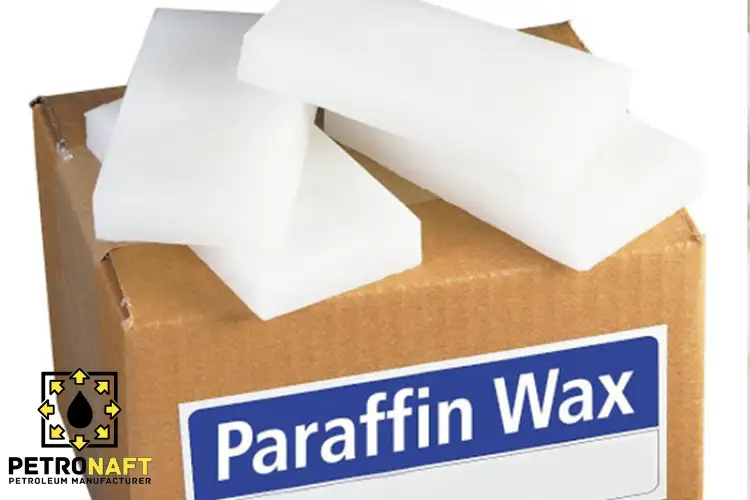
This guide explains how to run Paraffin Wax Procurement the right way: selecting the correct grade for your application, building a supplier shortlist, writing RFQs that prevent misunderstandings, and locking quality with measurable specs and incoming inspection steps. You’ll also learn practical contracting and logistics tips that reduce batch variability, minimize claims disputes, and help you scale bulk sourcing with confidence.
To succeed with Paraffin Wax Procurement, start by matching the wax grade to your end use (candle, cosmetics, packaging, rubber, adhesive), then lock quality with measurable specs (melting point, oil content, color, odor, penetration) and a supplier verification process. The best outcomes come from clear RFQs, tested samples, tight QA clauses, and disciplined incoming inspection.
Highlights & Key Sections
What “the right paraffin wax” means for your application
Paraffin wax is not one universal product. Two waxes can share a similar melting point and still behave differently in your process because of oil content, odor, crystal structure, and refining level.
Quick grade map (practical, not theoretical)
Fully refined paraffin wax: low odor, lower oil, typically preferred for cosmetics, pharma-adjacent, premium candles, food-contact-related uses (depending on local rules).
Semi refined paraffin wax: cost-effective for general candles, matches, boards, some rubber and industrial applications.
Blends (paraffin + microcrystalline): used when you need better flexibility, adhesion, or reduced brittleness.
Selection table: choose by use-case (fast decisions)
End use
Typical “must-control” properties
Common pain point if mis-specified
What to request in trials
Candles (container/pillar)
Melting point, oil content, crystal behavior, fragrance compatibility
Frosting, sinkholes, scent throw inconsistency
5–10 kg trial, fragrance test, burn test, jar adhesion
Cosmetics / personal care
Odor, color, oil content, purity statements
Off-odor in finished product, color shift
Small-batch emulsion test, odor panel, stability test
Hot-melt / adhesives
Melting point range, hardness (penetration), compatibility
Poor tack, stringing, brittle bond
Pilot blend, open time + peel test
Rubber / PVC processing
Oil content, consistency, contamination control
Processing variability, residue
Compounding trial, dispersion check
Packaging / coatings
Purity docs, odor, migration-risk documentation
Compliance failures, recalls
Barrier + sensory test, documentation review
Paraffin Wax Procurement: A practical bulk-buy workflow
If you treat wax like “just a commodity,” you’ll pay later in scrap, customer complaints, and firefighting. Here’s a workflow that consistently protects both cost and quality.
Step 1: Convert your end-use needs into measurable specs
Write specs that your supplier can test and certify, not marketing terms.
Good (measurable):
Melting point range (by a defined method)
Oil content maximum
Color target (Saybolt/visual scale, if applicable)
Needle penetration (hardness/consistency)
Odor requirement (pass/fail or agreed method)
Max impurities (black specks, sediment)
Risky (vague):
“Premium quality”
“No smell” (define what “no” means)
“Best for candles”
Step 2: Build a supplier shortlist that fits your risk level
Balance origin consistency and commercial flexibility:
Refiner/direct producer (stable quality, sometimes higher MOQ)
Large distributor (broader options, faster availability)
Regional blender (custom blends, but QC varies widely)
Tip: If your product is sensitive (cosmetics, premium candles, food-contact-related), prioritize process consistency over a small price advantage.
Step 3: Send an RFQ that forces clarity (mini tutorial)
A strong RFQ reduces back-and-forth and prevents “spec drift.”
RFQ essentials (copy/paste structure):
Product: grade + refining level + target melting point range
Annual volume + first shipment volume
Packaging: slabs, pastilles, pellets, bulk
Delivery term (Incoterms), destination, preferred lead time
Required documents: TDS, SDS, CoA template, origin statement, compliance statements
Trial request: sample amount + expected test results
RFQ checklist table (what buyers forget most)
RFQ field
Why it matters
If you omit it…
Test methods for key specs
Prevents “same number, different method” disputes
You get inconsistent batches you can’t reject cleanly
Packaging + palletization
Impacts breakage, contamination, unloading
You pay hidden logistics costs
Claims window + retention sample
Protects you after production starts
Issues become “your problem”
Batch traceability requirement
Essential for audits and recalls
You can’t isolate bad lots
Supplier pre-qualification: how to avoid expensive surprises
Supplier documents you should request (and actually read)
Technical Data Sheet (TDS) + typical and guaranteed values
Safety Data Sheet (SDS)
Certificate of Analysis (CoA) per batch
Statement of origin + manufacturing site
Quality system proof (e.g., ISO-aligned processes, internal QC steps)
Compliance statements relevant to your market (food contact, REACH/chemical registration, etc.)
Supplier scorecard (simple, effective)
Category
Weight
What “good” looks like
Consistency & traceability
30%
Stable source, batch IDs, retains samples, fast investigations
Spec capability
25%
Can meet your limits reliably; shares test methods
Logistics reliability
20%
Predictable lead times, export docs, packaging discipline
Commercial terms
15%
Fair price, clear MOQ, transparent surcharges
Responsiveness
10%
Answers with data, not excuses
Case example (real-world pattern): A candle producer bought “same melting point” wax from a new trader to save cost. Oil content wasn’t capped, and the new batches caused frosting and inconsistent scent throw. Adding an oil-content limit and a standard trial protocol fixed the issue and reduced returns.
Specs that actually control outcomes (and what they do in production)
Below is a buyer-friendly translation of “lab numbers” into real performance.
Spec
What it influences
Practical guidance
Melting point / congealing behavior
Set point, demolding, heat resistance
Choose based on your climate, storage, and process temps
Oil content
Odor, sweating/oil bleed, appearance
Lower oil typically improves premium aesthetics and scent stability
Needle penetration (hardness)
Brittleness, cut/handling behavior
Higher hardness can crack; too soft can deform
Color (Saybolt/visual)
Appearance in white/light products
Critical for cosmetics and light candles
Odor (agreed method)
Sensory acceptance
Require an odor test for sensitive applications
Impurities/contamination
Black specks, filter clogging
Set a maximum and require clean packaging
Practical insight: If your customers complain about “smell,” don’t only chase fragrance changes. Often the root cause is wax odor, oil fraction variability, or storage contamination.
Sampling & incoming QC (mini tutorial you can run with a small lab)
How to sample wax correctly
Bad sampling ruins good decisions.
Take samples from multiple points (top/middle/bottom) if possible.
For slabs/cartons, sample across different cartons and pallets.
Label every sample with batch ID, date, supplier, and packaging type.
Keep a retention sample in sealed packaging for the claims window.
Smell: quick odor check before wax enters production
Melt test: watch clarity, sediment, foam
Spot tests: basic melting point check and hardness/penetration (or send to lab)
Case example: A packaging buyer reduced claims disputes by adding one rule: “No production use until retention sample is sealed and logged.” When an odor issue showed up later, they isolated the affected batch in hours, not weeks.
Contracting & pricing: protect your margin and your schedule
Pricing structures you’ll see
Fixed price per shipment: easiest budgeting, can include risk premium
Formula pricing: tracks a referenced market index + conversion costs + logistics
Tiered pricing: better for steady annual volumes
Contract clauses that prevent common failures
Clear spec sheet attached to contract (with test methods)
CoA required for each batch, provided before dispatch
Claims process: timeline, evidence, and remedy (replace/credit)
Force majeure clarity + partial shipment rules
Temperature and packaging requirements (especially in summer shipping)
Batch traceability + retention sample agreement
Incoterms reminder (why buyers get burned)
Your Incoterms choice controls who manages freight, insurance, and risk transfer. Don’t pick terms purely based on “lower quoted price.” Pick them based on who can control the risk best.
Logistics, packaging, and storage: where quality often gets lost
Packaging choices (and the hidden tradeoffs)
Slabs in cartons: common, easy handling; watch for carton damage and dust
Pastilles/pellets: cleaner dosing; can cost more; helps automation
Bulk/heated deliveries: efficient for high volume; requires temperature discipline and clean tanks
Storage rules that prevent avoidable defects
Keep away from strong odors (waxes can pick up odors from surroundings)
Protect from heat spikes and direct sun
Use FIFO by batch ID
Avoid rework mixing unless you control blend ratios and testing
Trend watch: what’s changing in wax buying (and why it matters)
Stronger documentation expectations: More buyers request traceability, consistent CoAs, and market-specific compliance statements—especially for packaging, personal care, and export-heavy businesses.
Shift toward cleaner, more consistent refining profiles: Many manufacturers prefer hydrotreated/low-odor waxes to reduce sensory complaints and simplify product QA, even if the unit price is slightly higher.
These trends reward suppliers who can prove consistency and punish “cheap-but-unknown” sourcing.
Conclusion: how to win long-term with Paraffin Wax Procurement
The fastest way to improve Paraffin Wax Procurement is to stop buying “a melting point” and start buying a controlled performance profile backed by traceability, trial data, and enforceable QA clauses. When you standardize your RFQ, qualify suppliers with evidence, and run consistent incoming QC, you reduce defects, protect margins, and scale confidently.
Executive Summary & Buyer Checklist (print this)
Pre-buy checklist
Define end use + performance needs (appearance, odor, hardness, heat tolerance)
Score suppliers with a weighted matrix (consistency first)
Trial & qualification checklist
Receive sample + CoA (same batch)
Run: melt/clarity, odor check, small production trial
Approve only if results match your spec sheet and process behavior
Contract checklist
Attach spec sheet + test methods
Define claims window + retention sample rule
Require CoA pre-dispatch + batch traceability
Clarify packaging, storage, and shipping temperature expectations
Receiving checklist
Verify batch IDs, packaging integrity, and documents
Take multi-point samples + retain sealed reference sample
Don’t release to production until basic checks pass
FAQ
1) What’s the biggest mistake buyers make when sourcing paraffin wax in bulk?
Buying by melting point alone. Oil content, odor, hardness, and contamination control often drive real-world performance and customer complaints.
2) Fully refined vs semi refined paraffin wax—how do I choose?
If odor, color, and consistency are critical (cosmetics, premium candles, sensitive packaging), fully refined is usually safer. For general industrial use, semi refined can be cost-effective when your specs and QC are tight.
3) Which lab tests matter most for incoming inspection?
Melting point (or congealing behavior), oil content, and a quick visual/odor check catch many issues early. Add penetration/hardness when brittleness or deformation affects your process.
4) How can I reduce batch-to-batch variability from the same supplier?
Require consistent test methods, batch CoAs, traceability, and set acceptance limits. Also fix your sampling method and keep retention samples so investigations stay factual.
5) What should I include in a wax supply contract to avoid disputes?
Attach a spec sheet with test methods, require CoA before dispatch, define a claims window, and set rules for retention samples, packaging, and risk transfer terms.