
PARAFFIN WAX HISTORY
The history of paraffin wax dates back to the 19th century, intertwining with the evolution of the petroleum industry.
Ancient Use: While paraffin wax in its modern form was a 19th-century discovery, ancient civilizations used similar substances like beeswax for a myriad of applications including candle making.
Discovery: Paraffin wax was first described in the 1830s by German chemists Gustav Reichenbach and Karl von Reichenbach. They discovered it while examining the residue left behind from the distillation of petroleum.
Name Origin: The term “paraffin” derives from Latin: “parum” meaning “little” and “affinis” meaning “affinity.” This references the minimal reactivity of the substance.
Industrial Expansion: As the petroleum industry grew in the late 19th and early 20th centuries, the production and use of paraffin wax expanded considerably. Its wide range of applications made it a valuable byproduct of petroleum refining.
World War II Era: During World War II, there was a significant demand for paraffin wax, particularly in the production of explosives, leading to further research and refinement processes.
Modern Applications: As industries evolved, paraffin wax found its way into a multitude of products, from cosmetics to food coatings, demonstrating its versatility and importance in modern manufacturing.
While paraffin wax today is often taken for granted given its ubiquity, its journey from discovery to wide-scale industrial application marks an essential chapter in the history of scientific and industrial progress.
PARAFFIN WAX TYPES AND GRADES
Petroleum, coal, or oil shale can all be used to make paraffin wax, which is a mixture of hydrocarbon molecules containing 20–40 carbon atoms. These waxes are categorized into categories according to the amount of oil they contain and the degree of refining they undergo. The most common kind, also called as slack wax, have an oil concentration that can vary anywhere from 5% to 30%. The next step in the refining process includes scale waxes that are known as semi refined paraffin wax. These waxes typically contain between 1% and 10% oil. A maximum of 0.5% oil is included in Fully Refined Paraffin Wax, which is the greatest level of refining.
Fully refined paraffin wax 0.5% oil content
Semi refined paraffin wax 1-1.5% oil content
Semi refined paraffin wax 1-3% oil content
Semi refined paraffin wax 3-5% oil content
Semi refined paraffin wax 5-7% oil content
Semi refined paraffin wax 7-10% oil content
PARAFFIN WAX OTHER NAMES
Paraffin wax is known by a variety of names depending on its usage, origin, or manufacturing process. Here’s a list of some of its common alternative names:
Mineral Wax: Due to its mineral origin, as it’s derived from petroleum.
Petroleum Wax: Indicating its extraction process from petroleum during refining.
White Wax: Referring to its typical colorless or white appearance.
Ceresin or Ceresine: While sometimes used interchangeably with paraffin, Ceresin is technically a wax derived from the purification of ozokerite, a naturally occurring mineral wax.
Paraffin Oil Solid: In contexts where its solid state needs to be emphasized, especially to differentiate it from paraffin oil.
Different industries or regions might use specific names or terminologies for paraffin wax based on its particular application or the context it is referred to.
PARAFFIN WAX HS CODE, CHEMICAL FORMULA AND CAS NUMBER
HS Code: Harmonized System (HS) codes are standardized numerical methods to classify traded products. The HS code for paraffin wax varies based on the country’s import/export guidelines and the specific type or grade of the wax. Commonly, the HS code for paraffin wax is 2712. However, this can have further subdivisions or variations depending on the country.
Chemical Formula: Paraffin wax consists of a mixture of hydrocarbon molecules containing anywhere from 20 to 40 carbon atoms. Thus, it does not have a fixed chemical formula. A typical molecule might be represented as CnH2n+2, where n is a number between 20 and 40.
CAS Number: The Chemical Abstracts Service (CAS) number for paraffin wax is 8002-74-2. This unique number helps in the identification of chemical substances.
When importing, exporting, or referencing paraffin wax in scientific contexts, these codes and numbers provide standardized and recognized methods of classification and identification. Always ensure to verify the HS code based on the specific country’s classification system.
PARAFFIN WAX COMPONENTS AND MATERIALS
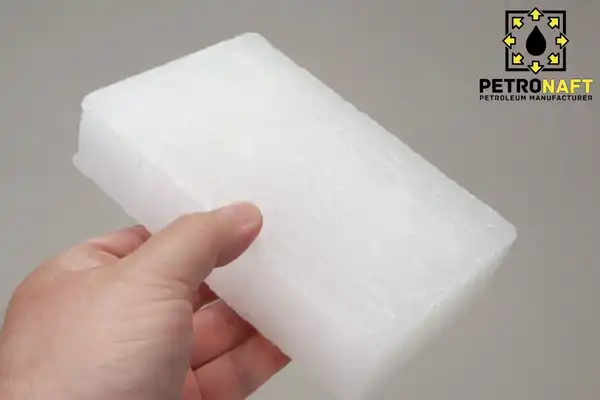
Paraffin wax is primarily derived from the refining of crude oil. It consists of a mixture of hydrocarbon molecules. Here’s a breakdown of its composition and materials:
Alkanes (Saturated Hydrocarbons): These are the principal components of paraffin wax. Their general formula is CnH2n+2. The number of carbon atoms (n) in the alkane chain for paraffin wax typically ranges from 20 to 40.
Oil Content: Raw paraffin wax, also known as slack wax, contains a significant amount of oil. The oil content reduces as the wax undergoes further refining. Fully refined paraffin waxes typically contain less than 0.5% oil.
Iso-Paraffins: These are branched-chain hydrocarbons present in the wax. Their branching nature affects the melting point and hardness of the wax.
Cycloalkanes (Cycloparaffins): These are ringed hydrocarbons. Their presence can influence the wax’s crystalline structure and properties.
Aromatics: Though present in minimal amounts, aromatic hydrocarbons can be found in paraffin wax, especially if the wax is not fully refined.
Additives: For specific applications, additives might be mixed into the paraffin wax to achieve desired properties. Common additives include UV stabilizers, pigments (for colored candles), and fragrance oils.
Impurities: Depending on the refining process, small amounts of impurities, including sulfur compounds, might be present in the wax.
When considering paraffin wax for specific applications, understanding its components and the associated properties is crucial. This ensures the wax performs optimally in its intended use.
PARAFFIN WAX SPECIFICATIONS
- Fully Refined Paraffin Wax
- Oil Content: Max 0.5%
- Melting Point: 58 ˚C
- Flash Point: Minimum 250 ˚C
- Color: 0.1Y
- Semi Refined Paraffin Wax 1-1.5% (Light)
- Oil Content: Maximum 1.5%
- Melting Point: 58-60 ˚C
- Flash Point: Minimum 250 ˚C
- Color: Transparent
- Semi Refined Paraffin Wax 1-1.5% (Heavy)
- Oil Content: Maximum 1.5%
- Melting Point: 62-64 ˚C
- Flash Point: Minimum 250 ˚C
- Color: Transparent
- Semi Refined Paraffin Wax 1-3% (Light)
- Oil Content: 2.5%
- Melting Point: 60 ˚C
- Flash Point: 300 ˚C
- Color: White
- Semi Refined Paraffin Wax 1-3% (Heavy)
- Oil Content: 2.3%
- Melting Point: 62 ˚C
- Flash Point: > 250 ˚C
- Color: White
- Semi Refined Paraffin Wax 3-5% (Light)
- Oil Content: 4.5%
- Melting Point: 60 ˚C
- Flash Point: 250 ˚C
- Color: Little Yellowish
- Semi Refined Paraffin Wax 3-5% (Heavy)
- Oil Content: 4.1%
- Melting Point: 62 ˚C
- Flash Point: 250 ˚C
- Color: White
- Semi Refined Paraffin Wax 5-7% (Light)
- Oil Content: 6.1%
- Melting Point: 58-60 ˚C
- Flash Point: 270 ˚C
- Color: 2-3
- Semi Refined Paraffin Wax 5-7% (Heavy)
- Oil Content: 6%
- Melting Point: 62 ˚C
- Flash Point: 300 ˚C
- Color: 3-4
- Semi Refined Paraffin Wax 7-10% (Light)
- Oil Content: 7.5%
- Melting Point: 56-58 ˚C
- Flash Point: 300 ˚C
- Color: 4-5
- Semi Refined Paraffin Wax 7-10% (Heavy)
- Oil Content: 8%
- Melting Point: 62 ˚C
- Flash Point: 300 ˚C
- Color: 5-6
PARAFFIN WAX DURABILITY
Paraffin wax is a hydrocarbon that showcases notable stability and durability. Its molecular composition provides several key characteristics related to its resilience:
Long Shelf Life: In proper storage conditions, paraffin wax can be kept for years without significant degradation.
Resistant to Moisture: Being hydrophobic, paraffin wax does not absorb water, making it an excellent choice for applications that require moisture resistance.
Stability at Room Temperature: Paraffin remains solid at room temperature, preventing deformation or melting under standard conditions.
Thermal Stability: While paraffin wax does have a specific melting point, it does not degrade immediately when subjected to heat, maintaining its properties across a range of temperatures.
Chemical Resistance: Paraffin wax is chemically inert, meaning it does not react easily with most chemicals. This makes it resistant to many common solvents and reagents.
Non-reactivity with Containers: Paraffin does not interact with most of the materials it’s stored in, ensuring longevity and purity.
For those seeking long-lasting solutions, especially in applications like candle-making, packaging, or cosmetic formulations, paraffin wax offers unparalleled durability. Its stability also ensures that it doesn’t easily break down or change, making it reliable for consistent results over time.
PARAFFIN WAX PERFORMANCE
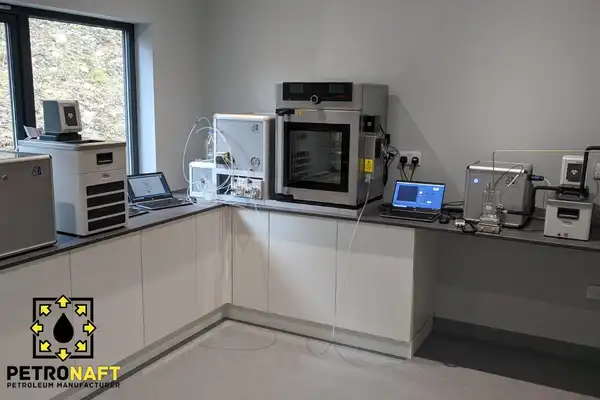
Paraffin wax is esteemed for its outstanding performance attributes in various applications. Here are some of its most significant performance characteristics:
Consistent Burn: In candle-making, paraffin wax is cherished for its consistent and clean burn, producing a steady flame.
Low Odor: The wax emits minimal to no odor when heated, which is particularly beneficial for applications where fragrance integrity is essential.
Smooth Finish: In manufacturing and aesthetics, paraffin provides a polished, glossy finish to products, making them visually appealing.
Excellent Slip Agent: Paraffin wax serves as a lubricant in many industrial applications due to its low friction coefficient.
Thermal Insulator: It acts as an effective barrier to heat transfer, utilized in various insulation processes.
Electrical Insulator: Beyond heat, paraffin is also an excellent electrical insulator, finding roles in specific electronic applications.
Blendability: Paraffin wax can be effortlessly blended with other waxes, oils, or additives, enabling tailored properties for specific uses.
Non-toxicity: Generally considered safe for various applications, including cosmetics and food packaging.
Barrier Properties: Acts as an efficient barrier against gases and odors, making it valuable in packaging.
Given these attributes, paraffin wax is a versatile player in numerous industries, providing consistent and reliable performance.
PARAFFIN WAX APPLICATIONS AND USES
Paraffin wax has a wide range of applications due to its unique characteristics, such as its ability to provide a protective seal, its low reactivity, and its melting properties. Here are some of the primary applications and uses for paraffin wax:
Candles: One of the most common uses of paraffin wax is in the manufacture of candles, both scented and unscented.
Cosmetics: Paraffin wax is used in lipsticks, eyeliners, mascara, and other cosmetics due to its smooth texture and moisture-sealing properties.
Therapeutic Treatments: Paraffin wax baths are used for therapeutic purposes, especially for hands and feet. They are beneficial in treating conditions like arthritis, eczema, and dry skin.
Food Industry:
- Coating for Fruits and Cheese: Paraffin wax can be used as a protective coating to prevent moisture loss and increase shelf life.
- Gum Base: It is used in the production of chewing gum.
- Sealing Jams and Jellies: To prevent microbial growth.
Lubrication: Due to its non-reactive nature, paraffin wax serves as a lubricant for various applications, including in the manufacture of crayons, pencils, and for door hinges.
Waterproofing: It is used to waterproof various items such as matches, wood, and fabrics.
Electrical Insulation: Due to its non-conductive properties, paraffin wax is used as an insulator in some electrical applications.
Pharmaceuticals: Used in ointments and as a base for many medicinal creams.
Crafts: Encaustic painting utilizes melted paraffin wax and pigments, while it’s also used in creating wax paper and for batik fabric design.
Polishes and Sealants: Used in the manufacture of furniture and shoe polishes. Also, it’s used as a sealant for jars, bottles, and canning.
Fire Logs & Starters: Some fire logs have paraffin wax as a primary component to help them burn longer and start more easily.
Tire and Rubber Manufacturing: Acts as a blending component and helps in vulcanization.
Ink Production: Used in certain printing inks.
Adhesives: It’s used as an ingredient in specific adhesives to modify their properties.
Ski and Snowboard Wax: Applied to the bottom of skis and snowboards to enhance performance.
Forensics: Crime scene investigators might use paraffin tests (although controversial and less common nowadays) to detect residues from firearms.
In all applications, it’s essential to use the appropriate grade and type of paraffin wax to ensure desired properties and results.
PARAFFIN WAX SAFETY TIPS
Paraffin wax is widely used in many applications, and while it is generally considered safe, following safety precautions is essential to prevent any accidents or mishaps. Here are some safety tips when working with or around paraffin wax:
Avoid Direct Flame: Never expose paraffin wax directly to an open flame. Always use a double boiler or wax melter when melting paraffin.
Monitor Temperature: Use a thermometer to ensure that the wax does not exceed its flash point. Overheating can lead to wax ignition.
No Water: Do not pour water onto hot wax or a wax fire. It can cause the wax to splatter, spreading the fire. Instead, smother the flame or use a chemical fire extinguisher.
Ventilation: Ensure adequate ventilation in the area where wax is being melted or applied to prevent the accumulation of any fumes.
Protect Skin: When working with hot wax, wear protective gloves to prevent burns.
Safe Storage: Store paraffin wax in a cool, dry place away from direct sunlight and out of reach of children.
Spill Management: In case of a wax spill, let it solidify before cleaning it up to prevent the spread and potential slips.
Keep Away From Children: Ensure that children do not have access to hot wax or the melting apparatus.
Equipment Safety: Regularly inspect any equipment used in the melting or application of wax for signs of wear or malfunction.
First Aid: In case of a burn from hot wax, immediately run cold water over the affected area and seek medical attention if necessary.
Remember, while paraffin wax has many applications and benefits, safety should always be a top priority. Always be aware of your surroundings, the tools you are using, and the state of the wax to ensure a secure and efficient process.
HOW TO USE PARAFFIN WAX?
The use of paraffin wax varies depending on the application. Here are some common uses and how to go about them:
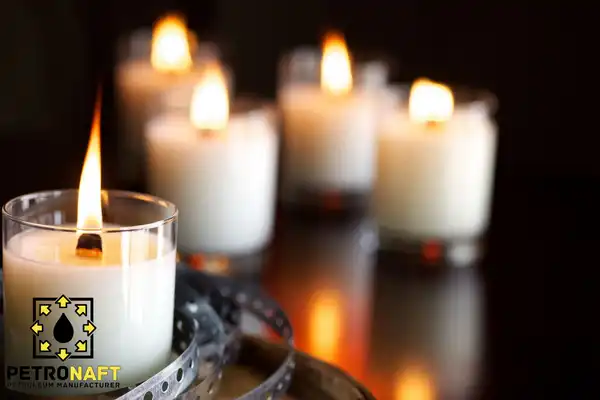
Candle Making:
- Melting: Melt the paraffin wax using a double boiler or a dedicated wax melter.
- Color and Scent: Once melted, add dyes and fragrance oils if desired.
- Pouring: Pour the melted wax into molds or containers where a wick has been previously placed.
- Cooling: Allow the wax to cool and harden.
- Trimming: Trim the wick to about 1/4 inch before lighting.
Hand and Foot Treatment:
- Melting: Melt the wax in a paraffin bath or double boiler.
- Temperature Check: Ensure the wax is at a comfortable temperature for skin contact.
- Dipping: Dip your hand or foot multiple times into the melted wax to form a wax glove or boot.
- Wrapping: Wrap the waxed area in plastic wrap and then a towel.
- Cooling: Let the wax cool and harden, then peel it off.
Waterproofing:
- Melting: Melt the paraffin wax in a double boiler.
- Application: Use a brush to apply the melted wax onto the fabric, leather, or other material.
- Drying: Allow the wax to cool and harden on the material.
- Setting: To make sure the wax penetrates the material, you can use a hairdryer to heat it until it disappears into the material.
Lubrication:
- Melting: Melt a small amount of paraffin wax.
- Application: Use a brush to apply the melted wax onto hinges, slides, or other mechanical parts.
- Wiping: Wipe away any excess wax.
Food Preservation:
- Melting: Melt the wax in a double boiler.
- Application: Pour a small layer of melted wax over the top of jams, jellies, or other preserves to seal them.
- Cooling: Let the wax harden before closing the container with a lid.
Art and Crafts:
- Melting: Melt the wax using a double boiler.
- Coloring: Add color if desired.
- Application: Use the melted wax to create textures or layers on surfaces like paper, canvas, or wood.
- Cooling: Allow the wax to harden.
Remember to always take appropriate safety precautions, including good ventilation, and wear gloves or other protective gear when necessary.
PARAFFIN WAX PRODUCTION PROCESS
Paraffin wax is a byproduct derived from the refining of crude oil. Its production involves several stages to transform the crude oil into the white, odorless, and tasteless wax we recognize. Here’s a concise overview of the production process:
Crude Oil Distillation:
- Crude oil is first subjected to atmospheric distillation in a refinery.
- This process separates the oil into various components based on their boiling points. Light and heavy naphtha, kerosene, diesel, and residues are some of the outputs.
Lubricating Oil Production:
- The heavier components resulting from atmospheric distillation undergo a further distillation process, known as vacuum distillation, to produce lubricating oil.
- The byproduct of this stage is “slack wax”, which contains both the wax and oil components.
Dewaxing:
- The slack wax undergoes a dewaxing process where it is chilled, causing the wax to crystallize and separate from the oil.
- A solvent (often a mixture of methyl ethyl ketone and toluene) is often used to aid in the separation.
- The mixture is then filtered, separating the crystallized wax from the oil.
De-oiling:
- To further reduce the oil content in the wax, the crystallized slack wax from the dewaxing process is subjected to de-oiling.
- This is achieved by sweating (controlled heating) or by solvent extraction.
Refining:
- The wax is then refined to remove any impurities, color, and odor.
- This is often done using activated charcoal or clay, which absorbs the impurities.
- Further processes like hydrogenation might be employed to improve the stability and quality of the wax.
Bleaching and Final Refinement:
- The nearly finished wax is bleached, typically using bleaching earth, to attain the white color commonly associated with paraffin wax.
- It is then passed through a final filtration process to ensure purity.
Solidification:
- The wax is then cooled and solidified, ready for packaging and distribution.
Throughout this process, variations in methods and the degree of refinement can produce different grades and types of paraffin wax suitable for various applications.
PARAFFIN WAX VS OTHER WAXES
The term “paraffin wax” is used to describe a specific kind of petroleum-based wax that is used in a variety of applications, such as candle making, cosmetics manufacturing, and packaging. The following is a list of the key distinctions between paraffin wax and other forms of wax:
- Honeybees generate a wax known as beeswax, which is a natural wax. It’s honey-like aroma and purifying properties have made it a fan favorite. Since it has a greater melting point than paraffin wax and is more costly, beeswax is ideal for manufacturing candles that burn more slowly.
- To put it simply, soy wax is wax made from soybeans and soybean oil. A wax produced from soybeans is called soy wax. Because it is seen as being more environmentally friendly than paraffin wax, it is often used to make candles. Soy wax may be used to make container candles since it has a lower melting point than paraffin wax and burns cleaner.
- Palm oil is the source of palm wax, a vegetable wax. Palm oil is used to make palm wax, which is a kind of wax. It is a wax that is more brittle than soy wax and has a distinctive crystal structure, all of which contribute to the wax’s natural, textured look. It is generally agreed that palm wax is better for the environment than paraffin wax since it is a renewable resource.
- A kind of wax known as gel wax has a transparent look and resembles liquid jelly. The texture of gel wax is similar to that of jelly. The two primary materials in its production are mineral oil and a polymer resin. Candles can seem transparent by using gel wax, and the wax itself may be used to suspend ornaments.
Many different kinds of waxes exist, each with its own special advantages. Due to its availability, affordability, and convenience of use, paraffin wax is a popular option in many different industries. Beeswax, soy wax, palm wax, and gel wax all have unique properties that make them more suited to certain tasks than other types of wax.
PARAFFIN WAX ADVANTAGES AND BENEFITS
Paraffin wax offers a range of advantages and benefits across various applications, including:
Non-reactive Nature: Paraffin wax is chemically stable and does not react easily with other substances. This makes it suitable for use in applications where reactivity could be an issue, such as cosmetics and food preservation.
Moisture Barrier: It serves as an excellent barrier to moisture. This property is especially beneficial in the food industry where it helps to prolong shelf life and retain freshness.
Versatility: With varying grades and melting points, paraffin wax can be tailored for a wide range of applications, from candles to cosmetics to industrial uses.
Lubricating Properties: Paraffin wax acts as a lubricant, facilitating smoother operations in specific applications, such as in crayon manufacturing or as a sliding aid in skiing and snowboarding.
Therapeutic Benefits: Paraffin wax treatments have therapeutic properties, helping to alleviate pain and inflammation in conditions like arthritis. It also aids in softening the skin, making it useful in beauty treatments.
Insulating Properties: Its low thermal conductivity makes it an effective insulator, useful in electrical applications.
Low Cost: Compared to many other materials with similar properties, paraffin wax is relatively inexpensive, making it an economically viable choice for various industries.
Ease of Use: In most applications, paraffin wax is easy to work with due to its straightforward melting and solidifying processes.
Clean Burning: When used in candles, it produces a clean and consistent flame, which is both aesthetically pleasing and reduces soot production.
Transparency: In its refined form, paraffin wax can be translucent, which can be aesthetically appealing in certain applications, such as decorative candles.
Odorless and Tasteless: Its lack of taste and odor is an advantage when used in food applications or in cosmetics where it doesn’t interfere with flavors or fragrances.
Sealing Properties: Paraffin wax creates an effective seal, which is useful in applications like canning or for sealing bottles.
Enhanced Texture: In cosmetics, it can improve the texture and application of products, giving them a smooth finish.
Safety: When used appropriately, paraffin wax is non-toxic and safe for use in food, cosmetic, and therapeutic applications.
Waterproofing: It can be used to make various items waterproof, such as matches, wood, and fabrics.
Given these advantages, paraffin wax remains a preferred choice in many industries. However, like any material, it’s essential to use it correctly and in the right contexts to maximize its benefits.
PARAFFIN WAX PACKING
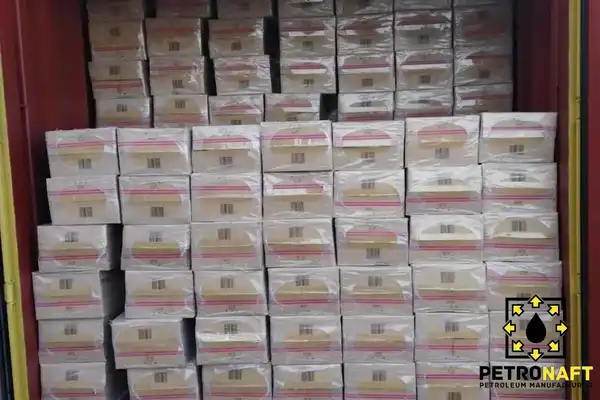
Regular packing is in carton boxes or PP (polypropylene) bags. The products are produced in 5-kg slabs. Each slab is placed in its own nylon bag, and five slabs are placed in a carton box. Carton boxes are hard enough not to get damaged because of their five hard layers.
PARAFFIN WAX TRANSPORTATION AND STORAGE
Paraffin wax is a stable substance, but like all products, it requires specific care during transportation and storage to ensure its integrity, especially if intended for therapeutic or industrial use. Given the stated packaging, here are the guidelines:
Transportation:
Handling: Care should be taken when loading and unloading the carton boxes or PP bags. Although the carton boxes have five hard layers, they should still be handled with care to avoid any possible damage or breakage.
Temperature Control: Paraffin wax should be transported in conditions that prevent it from melting. It’s crucial to ensure that the transport vehicle doesn’t get too hot, especially in sunny or warm climates.
Stacking: When stacking the carton boxes or PP bags in the transport vehicle, ensure they are placed on flat surfaces. Avoid stacking them too high, as the weight might damage the boxes or bags at the bottom.
Securing: Ensure the carton boxes or PP bags are secure and won’t move around during transportation. Movement or shifting can cause damage.
Storage:
Environment: Store the carton boxes or PP bags in a cool, dry place. Ensure the storage area is free from direct sunlight, as prolonged exposure can cause the wax to soften or melt.
Stacking: If stacking is necessary, ensure that the bottom boxes can carry the weight of the ones above. Don’t stack them too high to prevent any risk of the stack toppling over.
Accessibility: If stored in a warehouse or storage room, ensure that there’s easy access to each box or bag. This not only facilitates better inventory management but also reduces the risk of boxes being dropped or mishandled when trying to access those at the back.
Protection: The carton boxes and PP bags should be protected from any water sources, as moisture can damage the cardboard and affect the wax’s quality.
Pest Control: Ensure the storage area is free from pests. Rodents or insects might be attracted to the cardboard or the PP bags.
Rotation: If there’s a large inventory, practice the First-In-First-Out (FIFO) method. This ensures that older stock is used before newer stock, maintaining the quality of the paraffin wax being used.
By adhering to these guidelines, you can ensure the paraffin wax remains in optimal condition during transportation and storage, maintaining its quality and extending its shelf life.
Note: The instructions are provided based on the described packaging. Adjustments might be necessary depending on specific conditions or changes in packaging. Always ensure safety first.
PARAFFIN WAX PROPERTIES AND FEATURES
Paraffin wax is a white or colorless soft solid derived from petroleum, coal, or shale oil. It has distinct properties and features that make it widely used across different industries. Here are some of the main properties and features of paraffin wax:
Chemical Composition: Paraffin wax is composed of saturated hydrocarbons, primarily straight-chain alkanes with chain lengths typically between C20 and C40.
Melting Point: Depending on its refinement and oil content, paraffin wax has a melting point typically between 46°C to 68°C (115°F to 154°F).
Boiling Point: Paraffin wax has a high boiling point, exceeding 370°C (698°F).
Physical State: At room temperature, it is a solid. It melts to a clear, oily liquid when heated.
Odor and Taste: Paraffin wax is odorless and tasteless, making it suitable for use in cosmetics and food applications.
Solubility: It is insoluble in water but soluble in ethers, benzene, and certain esters.
Density: Its density is less than that of water, which means it floats on water.
Thermal Properties: Paraffin wax has low thermal conductivity.
Chemical Stability: It’s chemically stable and is not known to react with food or skin.
Transparency: Refined paraffin waxes can be semi-translucent.
Electrical Properties: Paraffin wax is an electrical insulator, making it useful in specific applications where insulation is required.
Texture: It has a slippery feel, which is why it’s sometimes used as a lubricant in various applications.
Reactivity: Generally non-reactive, but it can be combustible. When burned, it produces a bright flame.
Viscosity: When melted, it has a low to medium viscosity depending on its temperature.
Safety: Generally regarded as non-toxic and safe for use in food, cosmetic, and therapeutic applications when appropriately used.
Water Barrier: It’s an excellent barrier against moisture, preventing spoilage and prolonging shelf life in food items.
Color: Pure paraffin wax is white, but it can have a slight yellowish tint if less refined.
These properties make paraffin wax versatile for many applications, ranging from candle making to cosmetics to industrial lubrication and beyond. Its characteristics can slightly vary based on its source and refinement process, but the above-listed properties are generally consistent across the different types and grades of paraffin wax.
PARAFFIN WAX MAINTENANCE
Maintaining paraffin wax, especially if used in equipment or for therapeutic purposes, is crucial to ensure its longevity and safety. Here’s a guide to help with the maintenance of paraffin wax:
Storage:
- Temperature: Store in a cool, dry place away from direct sunlight. Prolonged exposure to heat can cause the wax to melt or become soft.
- Container: Ensure that the wax is stored in a sealed container to prevent contamination and to keep out moisture.
Melting:
- Always use a wax heater or a double boiler to melt paraffin wax. Direct heating can cause it to burn or overheat.
- Avoid overheating. Excessive heat can degrade the wax and reduce its therapeutic benefits.
- Check the temperature with a thermometer to ensure it’s within the desired range.
Handling:
- Make sure your hands or any tools used are clean before handling to prevent contamination.
- If using for therapeutic purposes, avoid putting your hands or feet directly into the wax if there’s an open wound or broken skin.
Re-use:
- For applications like paraffin baths in spas or homes, the wax can be reused if it’s personal. However, in shared/public settings, it’s more hygienic to use the wax only once.
- If the wax becomes contaminated or dirty, discard it.
Cleaning:
- If wax spills on any surface, let it cool and solidify. It can then be easily scraped off.
- For equipment or containers, they should be periodically cleaned to prevent any buildup or contamination. Warm the container slightly to make cleaning easier.
Refreshing:
- Over time, especially with repeated heating and cooling, paraffin wax may lose some of its properties. If you notice any change in consistency, scent (if it’s scented wax), or if it doesn’t offer the same benefits, consider replacing it.
Safety:
- Never leave melting wax unattended. This is especially true if using open flame methods.
- Always keep it away from children and pets.
Disposal:
- Paraffin wax is not biodegradable. If you need to dispose of used wax, consider local regulations. In many cases, it can be thrown in regular trash, but recycling or specialized disposal might be preferred in specific contexts.
Regular maintenance ensures that the paraffin wax remains effective, safe, and lasts longer. This is especially important in therapeutic or cosmetic settings where the quality and cleanliness of the wax directly impact its efficacy and safety.
PARAFFIN WAX PRICE
Understanding Global Paraffin Wax Prices: A Must-Read Comprehensive Guide for Better Comprehension
Current Pricing of Paraffin Wax: An In-depth Report
Explore related articles on this product via the tag link below:
Articles Related to Paraffin Wax
For more information, please click on each product listed below.