Tag: Articles Related to Asphalt

bitumen for hot climate
Article

Bitumen For Hot Climate

Bitumen for hot climate presents a complex dynamic, intertwining material science, engineering, and environmental considerations. With global warming and urban expansion, the conventional use of bitumen is being reevaluated, leading to innovative solutions tailored for extreme temperatures.

Read More »
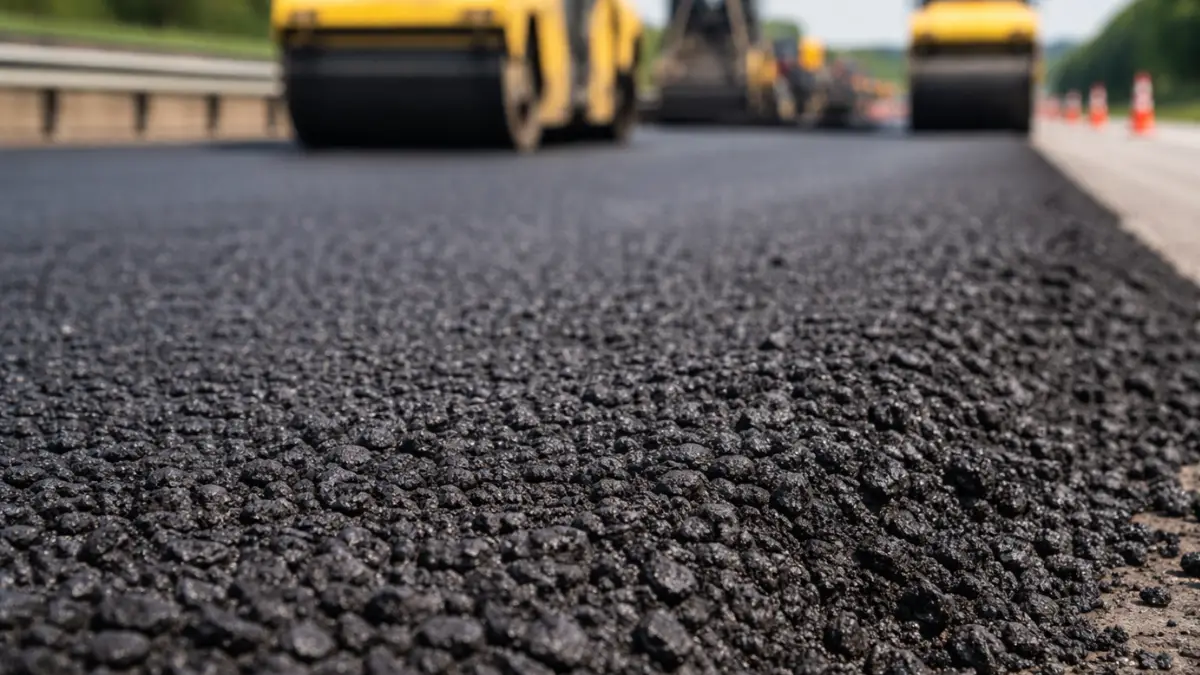
Fresh asphalt pavement being laid and compacted, illustrating asphalt binder use in road construction
Article

Asphalt Binder Types and Grades: How They Differ and Where They’re Used

Asphalt Binder selection is not just about choosing a familiar product name. It requires understanding the difference between binder type and grade, how PG classifications relate to climate and traffic, and when modified binders make technical sense. This article explains the main grading systems, where different binders are used, and how buyers and engineers can make more defensible specification decisions.

Read More »
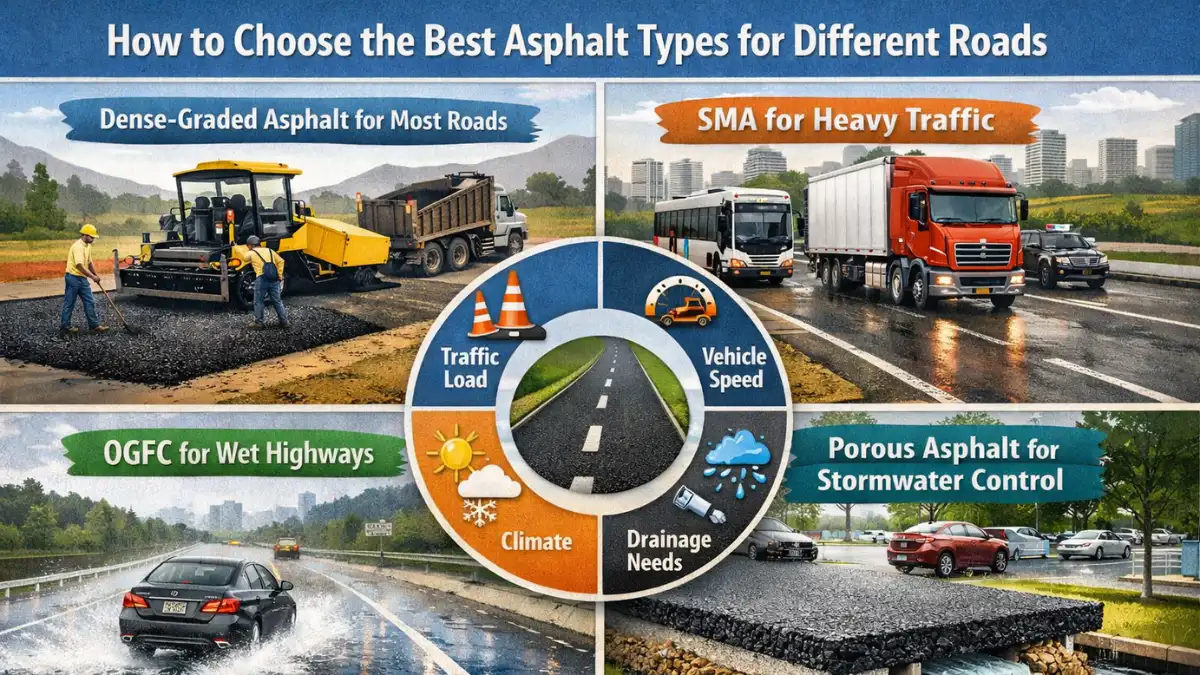
Infographic showing different asphalt types including dense-graded asphalt, SMA for heavy traffic, OGFC for wet roads, and porous asphalt for stormwater management
Article

How to Choose the Best Asphalt Types for Different Roads

Choosing the Best Asphalt Types for Different Roads starts with understanding traffic, climate, drainage, and pavement layer function. This guide explains when dense-graded asphalt is enough, when SMA is worth the upgrade, where OGFC improves wet-road safety, and when porous asphalt makes sense for stormwater-focused projects.

Read More »
Asphalt machine paving a road, utilizing Bitumen Grade material
Article

Choosing the Right Bitumen Grade: Penetration, VG, PG & More

Selecting the Right Bitumen Grade is easier when you match climate, traffic load, and application method to the correct binder system. This guide compares penetration, VG, and PG grading, explains when to use oxidized, emulsion, cutback, PMB, and CRMB binders, and shows practical selection steps, test checks, and procurement tips so your project resists rutting, cracking, and premature aging.

Read More »
some crumb rubber contributing to Rubber Asphalt Cost
Article

Rubber Asphalt Cost Guide: Prices, Factors & Savings

This Rubber Asphalt Cost Guide breaks down how rubberized asphalt is priced, what truly drives cost (mix type, thickness, plant setup, hauling, QC), and where savings come from in real projects. You’ll get practical budgeting formulas, a step-by-step tonnage estimate tutorial, and procurement tips to reduce risk pricing. The guide also explains when rubber asphalt delivers the best return through longer life, crack resistance, and noise benefits.

Read More »
Roadside view of asphalt made of bitumen
Article

What Is Asphalt Made Of? Ingredients & Composition Explained

Asphalt Made Of mostly aggregates bonded with asphalt binder, but real performance depends on gradation, binder grade, additives, and compaction. This article breaks down each ingredient’s role, explains common mix types (from dense-graded to SMA and porous asphalt), and gives practical buyer-focused steps for selecting the right mix for driveways, parking lots, highways, and industrial yards—plus a simple checklist to avoid costly early failures.

Read More »
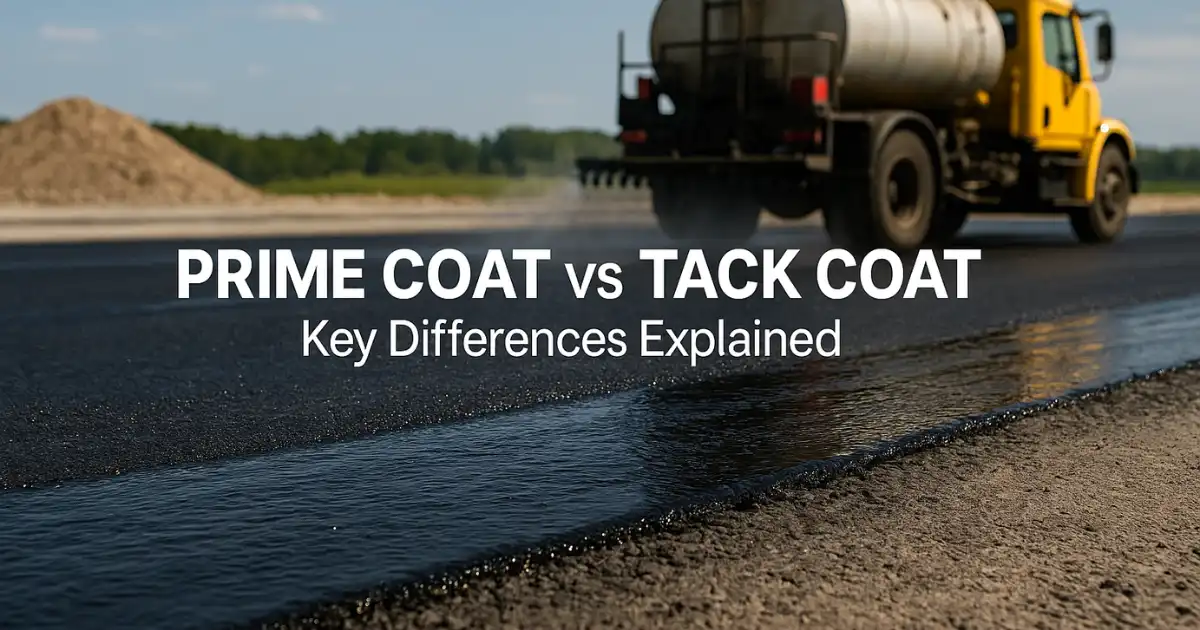
Road construction scene showing prime and tack coat application with a spray truck and asphalt layers in focus.
Article

Prime Coat vs Tack Coat: Key Differences & When to Use Each

Understanding the Prime Coat and Tack Coat Difference is essential for anyone involved in road construction or pavement management. This article explains the purpose, materials, best practices, and common mistakes related to each layer. It also offers real-world examples, a clear comparison table, and expert guidance to help engineers, contractors, and inspectors make informed decisions that maximize pavement performance and longevity.

Read More »
asphalt installation by workers
Article

Asphalt Installation: Steps for a Perfect Surface

This guide explains how to plan, build, and protect a durable pavement—from drainage and base compaction to paving temperature, rolling patterns, and curing. You’ll learn practical thickness rules, quality checks that prevent rutting and cracking, and how to compare contractor bids with confidence. Use the final checklist to manage your Asphalt Installation like a pro, whether it’s a driveway or a parking lot.

Read More »
ASPHALT RECYCLING symbol
Article

Asphalt Recycling

This guide breaks down Asphalt Recycling in plain, field-tested terms: the main recycling methods, when each one works best, how to manage RAP and mix design, and the quality checks that prevent cracking and rutting. You’ll also get a quick savings estimator, buyer questions for suppliers and contractors, and a practical checklist you can use on your next paving or rehabilitation project.

Read More »
KEEP ASPHALT DRIVEWAY FROM CRACKING
Article

How To Keep Asphalt Driveway from Cracking

Learn how to stop small surface flaws from turning into major damage with practical maintenance steps for your Asphalt Driveway, including cleaning, sealing, drainage upgrades, edge support, traffic control, and smart DIY or professional repair choices that protect curb appeal, safety, and long-term pavement value in any climate and season.

Read More »
Pavement damage on a road
Article

How to avoid pavement damage?

This guide explains how to avoid pavement damage by tackling root causes like water intrusion, heavy loading, and premature aging. You’ll learn how to design and build more durable pavements, set up practical inspection and maintenance programs, choose the right preventive treatments, and use modern data and materials to extend service life while cutting total costs for roads, yards, and parking areas.

Read More »