

WHERE (NATURAL BITUMEN) IS GILSONITE?
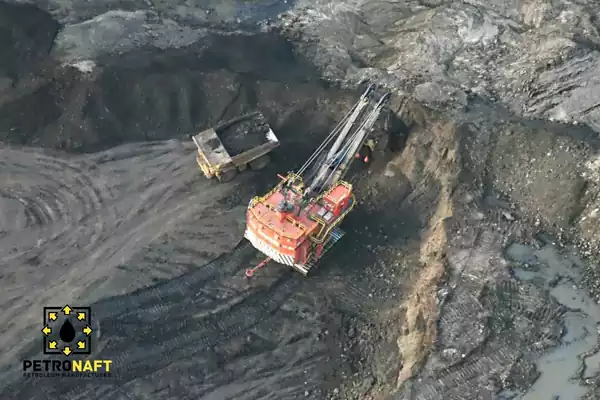
According to the United States Geological Survey, the states of Utah and Colorado in the United States are home to the world’s greatest deposits of natural Bitumen or Gilsonite, with an estimated 45 million tons of definite reserves.
This resource is assessed on the basis of real available natural Bitumen, since many Gilsonite mines in the globe are inaccessible owing to vein width and depth restrictions, and it is only normal that these instances are not included in the calculation of the mines’ definite reserves. For a fair comparison, it should be stated that the Gilsonite stockpile represents just 0.5% of the United States’ yearly oil output.
Saudi Arabia is an exception to the rule that natural Bitumen mines are mostly located in oil-rich nations. America, Canada, Iran, Iraq, Russia, Venezuela, China, Australia, Mexico, the Philippines, and China all have natural bitumen mines. The estimated worldwide natural bitumen reserves are around 100 million tons. Approximately 65% of the world’s Gilsonite deposits are situated on the North American continent, namely in the United States and Canada, while Iran, as the world’s third biggest natural Bitumen resource, owns approximately 15%, or 15 million tons, of these reserves. Gilsonite mines are often situated in the western region of Iran, particularly in Kermanshah, Gilangharb, Somar, Ilam, and the eastern portion of Lorestan province.
GILSONITE (NATURAL BITUMEN) COMPONENTS AND MATERIALS
Gilsonite, or Natural Bitumen, is a naturally occurring hydrocarbon resin. Its unique composition and characteristics stem from the specific materials and compounds it contains. Here’s a breakdown of its primary components:
Hydrocarbons: The bulk of Gilsonite is made up of a complex mixture of hydrocarbons. These hydrocarbons primarily consist of aromatic and aliphatic structures, which give Gilsonite its adhesive and binding properties.
Asphaltenes: These are high molecular weight hydrocarbons that are present in Gilsonite. Asphaltenes are responsible for the black color and contribute to the viscous nature of the substance.
Resins: Resins in Gilsonite are medium molecular weight compounds that provide the material with its ductility and flexibility. They are also responsible for its adhesive properties.
Mineral Matter: Gilsonite contains a certain percentage of mineral impurities or inorganic materials, including silicates and various metals. The presence of these minerals can affect the ash content when the material is burned.
Volatile Organic Compounds (VOCs): A small percentage of Gilsonite is made up of VOCs. These compounds evaporate at room temperature or under slight heating.
Sulfur Compounds: Gilsonite contains sulfur in various forms, which might be a consideration for certain applications, especially where sulfur content is a concern.
Nitrogenous Compounds: These compounds are present in small amounts and can influence the behavior and reactivity of Gilsonite in certain applications.
Moisture: Even after purification and processing, Gilsonite can contain a minimal amount of moisture, which can affect its handling and performance in some uses.
The exact composition of Gilsonite can vary depending on its source and the region from which it is extracted. It’s essential to analyze specific samples for precise composition details, especially when used for particular industrial applications.
GILSONITE (NATURAL BITUMEN) PRODUCTION PROCESS
The mines of IRAQ are where the Petronaft Gilsonite Lump is mined, and then it is brought to the plant site to be stored there. Gilsonite lumps are poured into the hopper by the digger loader as they are broken up. After that, they are brought to the hammer mill by means of a strip conveyor. In this way, Gilsonite is divided into different grades based on the percentage of ash present and the desired size. The required tests are then completed, quality control is performed, and the product is packaged and ready to be exported in different types and grades from Iraq, Turkey, and the UAE to other countries around the world.
The production process of Gilsonite can be broadly categorized into the following steps:
Extraction:
- Mining: Gilsonite is extracted through underground mining. Miners access the vertical Gilsonite veins by drilling and blasting.
- Collection: Post-blasting, the loosened Gilsonite is collected manually or mechanically.
Initial Processing:
- Size Reduction: The mined Gilsonite lumps are subjected to size reduction processes, usually through crushers or granulators, to produce smaller particles suitable for further processing.
- Screening: The crushed material is screened to separate finer particles from larger chunks. This also helps in segregating impurities.
Purification:
- Gravity Separation: Utilizing differences in density, unwanted rock and other impurities are separated from the Gilsonite.
- Solvent Extraction: For higher purity levels, the Gilsonite can be dissolved in solvents, and then undesired components can be removed. After which, the solvent is evaporated, leaving behind pure Gilsonite.
Secondary Processing:
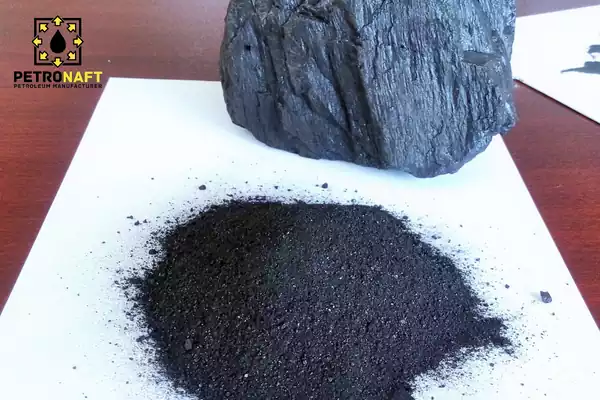
- Micronization: For applications that require finely divided Gilsonite, the material can be micronized into fine powders using special mills.
- Agglomeration: Sometimes, it might be beneficial to convert the fine powders back into granulated forms or pellets for ease of handling or specific applications.
Quality Control and Packaging:
- Testing: Before packaging, samples are typically tested for various parameters such as ash content, softening point, purity, and solubility to ensure they meet industry-specific requirements.
- Packaging: Depending on the end-use, Gilsonite is packaged in bags, drums, or bulk containers for transportation.
Storage and Distribution: Once packaged, the Gilsonite is stored in warehouses ready for distribution. Proper storage conditions are maintained to ensure the quality of the product remains consistent.
It’s important to note that while the above process provides a general overview, specific steps and methodologies can vary depending on the source of the Gilsonite, the region of extraction, and the desired end product’s specifications.
GILSONITE (NATURAL BITUMEN) HS CODE, CHEMICAL FORMULA, AND CAS NUMBER
HS Code: The Harmonized System Code (HS Code) for a specific product can vary depending on the country and how the product is categorized in international trade systems. Typically, you would need to refer to the customs or trade department of your specific country or the country you are exporting to, to get the precise HS Code for Gilsonite. However, a common HS code used for Gilsonite might be 2715.00, which covers bituminous mixtures based on natural asphalt. Always confirm with an official source before making trade decisions.
Chemical Formula: Gilsonite is a complex mixture of hydrocarbons and does not have a single fixed chemical formula like simple compounds. Its composition can vary based on the source and region of extraction.
CAS Number: The Chemical Abstracts Service (CAS) number for Gilsonite is 12002-43-6.
It’s essential to note that while these identifiers can provide general information about Gilsonite, specifics like the HS Code might vary based on local customs regulations and the specific grade or form of the product being traded. Always ensure to verify details from authoritative sources when dealing with trade or regulatory matters.
GILSONITE (NATURAL BITUMEN) DURABILITY
Gilsonite’s durability is one of its defining features that sets it apart in numerous applications. The very nature of this hydrocarbon resin offers substantial benefits in terms of its life span and performance. Here’s a deeper dive into its durability aspects:
Weather Resistance: Gilsonite has an innate resistance to the damaging effects of UV rays and other weather-related factors. Its ability to resist degradation under prolonged sunlight exposure makes it an excellent choice for outdoor applications, like in asphalt mixtures for roads.
Chemical Resistance: Gilsonite is naturally resistant to most acids, bases, and salts, providing longevity in environments where these chemicals are present. This feature makes it valuable in certain industrial applications.
Thermal Stability: Gilsonite demonstrates stable properties under varying temperatures. While it softens under heat, its thermal stability ensures that it doesn’t degrade quickly with fluctuating temperatures, which is essential in paving and roofing applications.
Low Permeability: Its low permeability ensures that water, gases, and other substances have difficulty passing through. This characteristic gives Gilsonite-based products a natural defense against moisture intrusion, reducing the risk of corrosion or material breakdown.
Natural Adhesiveness: Gilsonite’s inherent adhesive properties ensure that it binds well with other materials, ensuring longevity in applications where it’s mixed with other components.
Biodegradation Resistance: Unlike some organic materials, Gilsonite is not prone to decay or rot, which extends its life span in various applications.
Wear Resistance: When used in pavements or other surface applications, Gilsonite imparts a degree of wear resistance, resulting in longer-lasting surfaces.
While Gilsonite boasts several durability features, it’s essential to recognize that its longevity in specific applications can be influenced by external factors, like the quality of other mixed materials, environmental conditions, and the frequency of usage. However, in the right conditions and when applied properly, Gilsonite can offer a significantly extended lifespan, reducing the need for frequent maintenance or replacements.
GILSONITE (NATURAL BITUMEN) PERFORMANCE
The performance of Gilsonite, or Natural Bitumen, is well-regarded across various industries, due to its unique set of properties that offer versatility and efficiency. Here’s a look at the performance aspects of Gilsonite:
Enhanced Adhesion: Gilsonite’s natural tackiness ensures superior adhesion when mixed with other materials, making it an ideal binder in applications such as asphalt and paints.
Temperature Flexibility: Gilsonite’s performance remains consistent across a range of temperatures. It doesn’t become overly brittle in cold conditions nor does it soften excessively in the heat, making it ideal for road construction in diverse climates.
High Softening Point: This hydrocarbon resin has a high softening point, which translates to better resistance to rutting and deformation under heat, especially in road paving applications.
Improved Elasticity: Gilsonite-modified products often demonstrate improved elasticity, which means they can withstand minor structural movements or shifts without cracking or breaking.
Reinforced Tensile Strength: When introduced to various mixtures, Gilsonite can enhance the tensile strength of the material, providing added resistance to wear and tear.
Low Solubility in Water: Gilsonite’s insolubility in water means that it doesn’t degrade quickly in wet conditions, ensuring longevity in moisture-prone environments.
Resistance to Aging: Owing to its natural composition and resistance to UV rays, Gilsonite has an inherent resistance to aging, ensuring that its performance doesn’t diminish quickly over time.
Sealant Performance: Gilsonite acts as an effective sealant, providing barriers against moisture intrusion and environmental contaminants.
Improved Cohesion: In mixed formulations, Gilsonite can enhance the cohesion of the mix, reducing the risk of premature failure.
High Load Bearing Capacity: For road construction, the incorporation of Gilsonite can increase the road’s ability to bear heavy loads without deforming.
It’s essential to recognize that while Gilsonite has impressive performance attributes, achieving optimal results requires careful formulation, appropriate application methods, and considering external factors like climate and usage patterns. Nonetheless, when harnessed effectively, Gilsonite’s performance can significantly enhance the quality and longevity of various products and applications.
GILSONITE (NATURAL BITUMEN) APPLICATIONS AND USES
Gilsonite’s unique chemical composition and physical properties make it a sought-after component across various industries. Here are the notable applications and uses of Gilsonite:
- Road Construction:
- Asphalt Modification: Enhances the performance of hot-mix asphalt, offering increased resistance to rutting and cracking.
- Paving: Acts as a binder and modifier, enhancing asphalt’s durability and longevity.
- Oil & Gas:
- Drilling Mud Additive: Improves the performance of oil-based drilling muds, enhancing rheological properties and reducing fluid loss.
- Cementing: Used in cement compositions to improve properties like slurry weight reduction.
- Paints & Inks:
- Coloring Agent: Imparts a black hue to various inks and paints.
- Binding Property: Helps in binding pigments, improving paint durability and finish.
- Foundry:
- Sand Binder: Acts as a binder in foundry sand mixtures, ensuring the sand retains its shape during casting.
- Carbon Raiser: Enhances the carbon content in foundry products.
- Sealants & Waterproofing:
- Waterproofing Agent: Applied on roofs, walls, and floors to prevent water infiltration.
- Joint Sealer: Used in the construction sector to seal joints and gaps, preventing moisture penetration.
- Mastics & Adhesives:
- Binding Agent: Serves as a primary binder in various adhesive formulations, ensuring strong bonding capabilities.
- Modifier: Enhances the properties of other adhesives when used as an additive.
- Electrical:
- Insulating Compound: Due to its non-conductive properties, it’s used as an insulating material in certain electrical applications.
- Agriculture:
- Wetting Agent: Helps in the formulation of wettable powders and other agrochemical applications.
- Construction:
- Soundproofing: Used in materials that help in soundproofing walls and floors in buildings.
- Damp Proofing: Employed as a damp-proof course material in construction.
- Chemical Industry:
- Modifier: Used as a modifier in the production of other chemicals, enhancing properties or yields.
- Rubber & Plastic:
- Reinforcing Agent: Improves the tensile strength of certain rubber and plastic products.
- Extender: Acts as a filler and extender in various rubber and plastic formulations.
Given Gilsonite’s versatility, the above applications are just a snapshot of its full potential. The specific use often depends on the type and grade of Gilsonite, as well as the requirements of the specific industry or application.
MAINTENANCE OF GILSONITE (NATURAL BITUMEN)
While Gilsonite (Natural Bitumen) is renowned for its durability and longevity, ensuring proper maintenance can further enhance its performance and lifespan, especially when used in specific applications. Here’s a guide to maintaining Gilsonite:
Storage:
- Store in a cool, dry place, away from direct sunlight to prevent any degradation.
- Ensure that the storage area is well-ventilated to avoid moisture accumulation.
Handling:
- Always handle with clean gloves to avoid contamination.
- Ensure that there’s minimal dust in the environment during handling.
Cleaning:
- If used in paving or construction, periodic cleaning with mild detergents can help maintain its appearance and prevent residue buildup.
- For painted surfaces, regular cleaning can also help maintain the lustrous finish imparted by Gilsonite.
Protection Against Moisture:
- While Gilsonite is hydrophobic, prolonged exposure to moisture can affect its quality. Ensure surfaces are dry before application.
Regular Inspection:
- For structural applications, regular checks for any signs of wear, cracks, or degradation can help in early detection and timely repair.
Avoid Mixing with Incompatible Materials:
- Always refer to technical datasheets to ensure that Gilsonite isn’t mixed with materials that might degrade its quality.
Temperature Monitoring:
- Though Gilsonite has excellent thermal stability, avoid exposing it to extreme temperatures for prolonged periods.
Sealant Checks:
- For applications where Gilsonite is used as a sealant, periodic checks and reapplications might be necessary to maintain optimal sealing.
Limit Mechanical Stress:
- If used in applications that endure mechanical stress, ensure that the stress levels do not exceed the recommended limits.
Consultation for Specific Uses:
- Depending on the specific use or application of Gilsonite, consulting with experts or manufacturers can provide insights into tailored maintenance practices.
By adhering to these maintenance guidelines, you can ensure the consistent performance and longevity of Gilsonite in its various applications.
GILSONITE (NATURAL BITUMEN) SAFETY TIPS
Handling and working with Gilsonite, like other industrial materials, requires adherence to certain safety guidelines to protect workers and the environment. Here are crucial safety tips for those working with or around Gilsonite:
Personal Protective Equipment (PPE):
- Eye Protection: Always wear safety goggles to prevent dust or particles from entering the eyes, especially during grinding or when Gilsonite is in powder form.
- Respiratory Protection: Wear a dust mask or a respirator in environments with airborne Gilsonite particles to avoid inhalation.
- Skin Protection: Wear gloves, long sleeves, and protective clothing to prevent skin contact.
Ventilation: Ensure adequate ventilation in areas where Gilsonite is being processed or used, especially in enclosed spaces, to prevent the buildup of dust or fumes.
Avoid Open Flames: Gilsonite is flammable. Keep it away from open flames, sparks, or other ignition sources.
Dust Management: Regularly clean work areas to prevent the accumulation of Gilsonite dust, which can be a respiratory hazard and a potential fire risk.
Safe Storage: Store Gilsonite in a cool, dry place away from incompatible materials. Ensure the storage area is well-ventilated and free from ignition sources.
Avoid Ingestion: Do not eat, drink, or smoke when handling Gilsonite. Always wash hands thoroughly after handling.
First Aid Measures:
- Inhalation: Move to fresh air if inhaled and seek medical attention if breathing difficulties persist.
- Skin Contact: Wash with plenty of water and soap. Seek medical attention if irritation persists.
- Eye Contact: Rinse immediately with plenty of water for several minutes. Consult a physician if irritation continues.
- Ingestion: Drink plenty of water and seek immediate medical attention.
Spillage: In the event of a spill, sweep up the material while wearing appropriate PPE to prevent dust generation. Avoid using water as it can create slippery conditions.
Disposal: Dispose of Gilsonite waste according to local regulations. Avoid disposing of it in general landfill without proper treatment.
Training: Ensure all workers and personnel involved with Gilsonite handling and processing are adequately trained on its properties, risks, and safety measures.
Being aware of these safety guidelines ensures that industries using Gilsonite do so responsibly, minimizing risks to workers and the surrounding environment. It’s essential always to refer to the specific Safety Data Sheet (SDS) provided by the Gilsonite supplier for comprehensive safety details and guidelines.
GILSONITE (NATURAL BITUMEN) TRANSPORTATION AND STORAGE
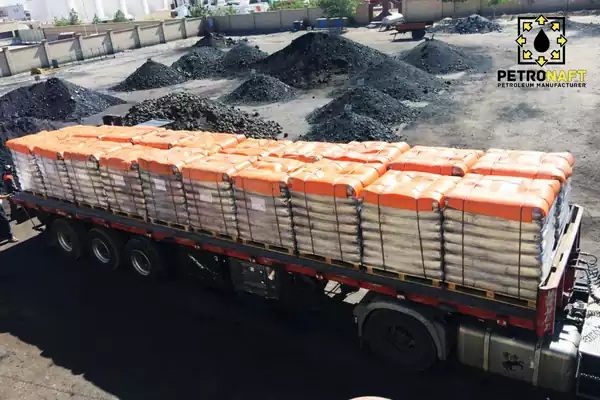
Given the different packaging types for Gilsonite, the guidelines for transportation and storage vary. Here’s a breakdown based on the provided packaging details:
- Transportation & Storage for Granulated Gilsonite:
Laminated Multi-layer Bags (25kg±5%):
- Store on pallets in a dry environment to prevent moisture from affecting the material.
- During transport, ensure that the bags are not stacked excessively high to prevent them from tearing under pressure.
Multi-layer Paper Bags (Kraft) (25kg±5%):
- Keep away from water or damp environments as kraft paper can absorb moisture.
- Palletize the bags for ease of handling and reduce the risk of damage during transit.
AD Star Bags (25kg±5%):
- These are durable and resistant to tearing; however, avoid sharp objects or edges.
- Stack appropriately during transport and storage to avoid undue pressure on the bags at the bottom.
Jumbo Bags (850kg to 1 ton):
- Ensure bags are upright during transportation and storage.
- Use equipment like forklifts or cranes for handling to avoid physical damage.
- Transportation & Storage for Lump Gilsonite:
One-ton Jumbo Bags:
- Store in a dry place, and ensure the area is free from puncture risks.
- Use suitable machinery for handling due to the weight.
Bulk:
- Transportation in bulk containers or dump trucks should be done ensuring that there’s a liner to prevent contamination.
- During storage, designate a dry, clean area for dumping to avoid contamination.
- Transportation & Storage for Micronized Gilsonite:
Laminated Multi-layer Bags (25kg±5%):
- Palletize and store in a dry environment.
- Handle with care to prevent tearing, especially since the micronized form can easily spill.
Multi-layer Paper Bags (Kraft) (25kg±5%):
- Avoid damp areas during storage.
- Use pallets for transport and storage to ensure stability.
AD Star Bags (25kg±5%):
- Handle with care, keeping away from sharp objects.
- Store in a cool, dry environment.
Jumbo Bags (850kg to 1 ton):
- Always use machinery for transportation and loading/unloading.
- Keep them upright and ensure they are protected from water or dampness.
In all cases, it’s essential to ensure that Gilsonite, regardless of its form or packaging, is kept in an environment that’s free from contaminants, moisture, and extreme temperature fluctuations.
Explore related articles on this product via the tag links below:
For more information, please click on each product listed below.