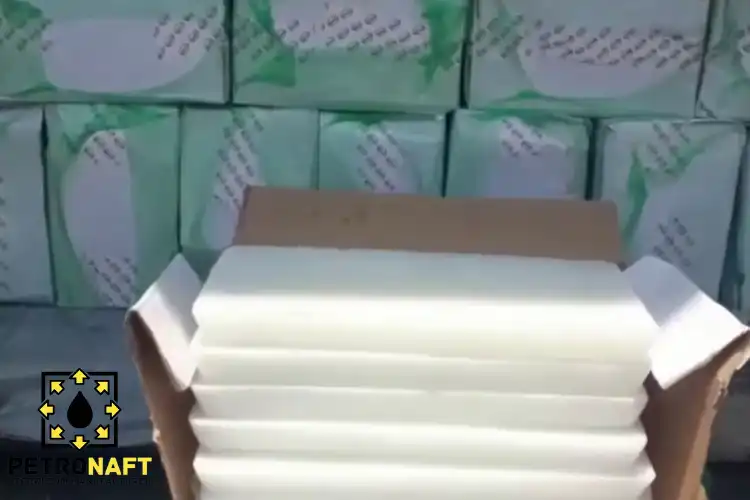
High-Quality Paraffin Wax is best identified by a clean, consistent melt behavior, low odor, minimal oil bleed, stable color, and a verifiable certificate of analysis that matches your use (candles, cosmetics, packaging, industrial). Choose the grade by melting point and oil content, then confirm performance with a simple small-batch test.
Highlights & Key Sections
Why “quality” matters more than price
Paraffin wax looks simple—white slabs, granules, or pastilles—but small differences in refining and blending can dramatically affect:
Finish and appearance (gloss, frosting, color stability)
Processing speed (pour temperature window, shrinkage control)
Regulatory fit (food-contact vs. cosmetic vs. general industrial)
Consistency (repeatable batches that don’t surprise your production line)
If you’ve ever had the same candle formula behave differently from one shipment to the next, you’ve already felt the “hidden cost” of inconsistent wax.
High-Quality Paraffin Wax: the non-negotiable quality signals
Think of paraffin wax quality as three layers: purity, performance, and proof.
1) Purity indicators you can see and smell
Low odor at melt: a clean melt should not smell “oily,” “diesel-like,” or sharp.
Stable color: slabs/pastilles should look uniform, without grey/yellow tinting or speckling.
Clean surface: minimal dust, no sticky feel, no visible contaminants.
2) Performance indicators you can measure
Melting point matches your process (not just “high” or “low”)
Oil bleed is minimal (especially critical for premium candles, cosmetics, and coated materials)
Penetration/hardness is consistent (affects brittleness, scratch resistance, mold release)
Good UV and heat stability (less yellowing, less sweating in warm storage)
3) Proof indicators you can verify
A complete COA (Certificate of Analysis) tied to the batch/lot you receive
Traceable packaging labels (batch number, production date, grade/spec)
Clear application claim (candle, cosmetic, packaging, industrial) aligned with documentation
Paraffin wax grades in plain English
Most buying mistakes happen when people purchase “paraffin wax” without matching the grade to the application.
Common grade categories
Fully refined paraffin wax: lowest odor and oil content; preferred for premium candles, cosmetics, and sensitive uses.
Semi-refined paraffin wax: workable for many candles and industrial uses, but may show higher odor or bleed depending on formulation.
Slack wax: higher oil content; generally a feedstock or used where oiliness is acceptable (not ideal for clean-burning candles).
Hot climates / warm warehouses: choose a grade that won’t soften or sweat easily.
Pillars and molded items: typically need higher structure to reduce deformation.
Containers: often benefit from balanced adhesion and controlled shrinkage.
Real-world example: Two candle makers can use “the same” paraffin category, but one needs a harder wax for hot retail shelves, while the other prioritizes smooth tops and strong scent throw in cooler environments.
The scent and additive reality (candles): wax quality shows up fast
If your audience includes candle manufacturers, quality reveals itself during fragrance loading and burn testing.
What high-quality wax helps you achieve
Cleaner scent profile (less “background odor” fighting your fragrance)
Cosmetics & personal care: what “high quality” feels like
In cosmetics, paraffin wax isn’t judged only by melting point—it’s judged by sensory performance:
No off-odor
Smooth glide
Stable texture (no graininess over time)
Color stability in white or tinted products
Mini tutorial: texture stability test (simple)
Make a small stick or balm prototype.
Store one at room temperature and one in a warm spot (controlled).
Check after 48–72 hours for sweating, graininess, or discoloration.
If the wax changes noticeably in a short window, long-term shelf performance can become a problem.
Industrial and packaging uses: quality is often about consistency and documentation
For industrial customers (rubber, coatings, compounds, paper/board treatments), the wax must:
Run consistently through equipment
Deliver predictable hardness and release behavior
Avoid odor transfer if the end product is sensitive
Meet documentation requirements when relevant
A “good” industrial wax can be less refined than cosmetic wax—but it still needs reliable, repeatable specs.
Supplier selection: the questions that separate professionals from guesswork
Use this shortlist to qualify suppliers quickly:
Do you provide lot-specific COAs with every shipment?
Can you hold spec consistency across multiple lots?
What are your packaging controls (dust, contamination prevention)?
How do you handle claims and deviations (replace, credit, corrective action)?
Can you provide a stable supply plan (especially during demand spikes)?
Practical procurement table: score a supplier fast
Criterion
What “good” looks like
Score (1–5)
Documentation
Lot COA + batch traceability
Consistency
Tight variation, repeatable
Application fit
Grade matches your use-case
Quality response
Clear corrective action process
Logistics reliability
Predictable lead time + packaging integrity
Trends shaping paraffin wax buying decisions right now
Even in mature commodity markets, two shifts are changing what buyers ask for:
Stronger demand for traceability and consistent batches as brands scale and rely on repeatable outcomes (especially candles and personal care).
More scrutiny of odor, migration, and “clean label” expectations in consumer-facing products—pushing buyers toward tighter specs and better documentation, even when the base material hasn’t changed.
If your products compete on premium experience (clean burn, premium scent, skin-feel), these trends make “just any wax” a costly shortcut.
Conclusion: how to choose High-Quality Paraffin Wax with confidence
The best approach is simple: define your application, match the right grade (melting point + oil level + hardness), verify it with a lot-specific COA, and run a small controlled trial before scaling. When you treat paraffin wax as a performance material—not a generic commodity—you consistently end up with High-Quality Paraffin Wax that protects your product reputation and reduces production headaches.
Executive Summary & Practical Checklist
Use this checklist before you approve any purchase order:
Grade aligned: fully refined vs. semi-refined (and appropriate melt behavior)
COA received: lot-specific, with key fields (melt point, oil content, color, penetration)
Odor tested: clean melt with no sharp or oily notes
Oil bleed tested: paper halo check looks acceptable
Small-batch trial completed: cooling behavior and end-use performance confirmed
Packaging checked: clean, sealed, labeled with batch info
Supplier reliability scored: documentation, consistency, and response process validated
FAQ
1) What’s the fastest way to confirm paraffin wax quality before production?
Run a small melt-and-smell test, then do a quick oil-bleed paper test and a mini pour. You’ll catch most odor and bleed issues in under an hour.
2) Is fully refined wax always the best choice?
Not always. Fully refined is ideal for premium candles and personal care, but some industrial uses perform perfectly with semi-refined grades if specs remain consistent.
3) Why do two “same melting point” waxes behave differently?
Melting point alone doesn’t capture oil content, crystal structure, hardness, and refining level. Those factors change adhesion, shrinkage, burn behavior, and sweating.
4) How can I reduce sweating in scented candles?
Start with a lower-bleed wax grade, confirm fragrance compatibility, and test fragrance load steps. A small adjustment in wax selection often beats complicated additive fixes.
5) What should a COA include for professional purchasing?
At minimum: melting point, oil content, color/appearance, and hardness/penetration—plus lot/batch identification. Without that, consistency becomes guesswork.
Sources
One-stop reference for petroleum wax test methods and specifications used globally in supply contracts: ASTM International
Practical safety and handling considerations for industrial chemicals used in supply chains: OECD eChemPortal
Pharmaceutical-grade quality and testing frameworks relevant when wax is used in regulated formulations: United States Pharmacopeia (USP)
Additional pharmacopeial standards and monographs used internationally for excipients and quality testing: European Pharmacopoeia