


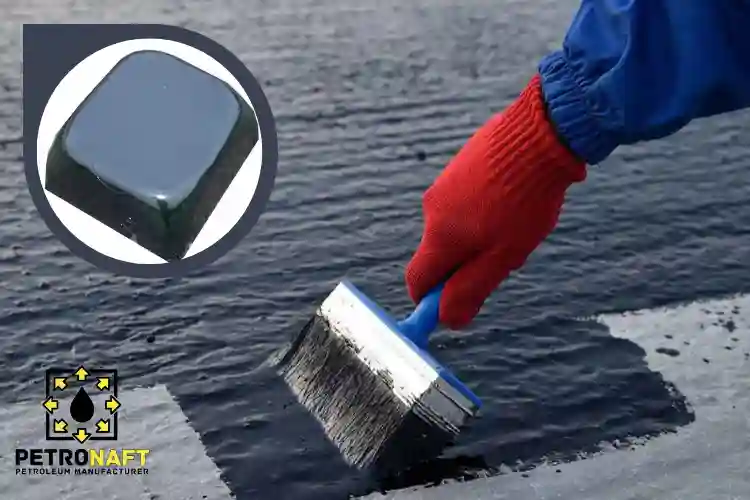
Short answer: no, bitumen is not the same as tar. Bitumen is a petroleum-derived binder used in modern asphalt, while tar is usually a coal- or wood-based distillate that is now rarely used in paving because of its higher toxicity and stricter environmental regulations. Many people still say bitumen same as tar, but engineers do not.
Highlights & Key Sections
Why this confusion matters in real projects
In everyday language, “tar roads” and “asphalt roads” often mean the same thing, but on-site and in contracts the distinction is critical. Using the wrong term can affect:
Health and safety requirements
Waste classification and disposal costs
Long-term performance and warranty claims
Compliance with national and local regulations
Imagine this scenario: a municipality tenders “tar resurfacing” for a highway. The contractor prices a standard petroleum bitumen mix. Later, testing shows old layers contain coal tar, which must be handled as hazardous waste. Overnight, project costs and liabilities change—just because “tar” was used loosely in the documents.
Is bitumen same as tar? Clearing up the terminology
Although they look similar—black, sticky, viscous—bitumen and tar are different materials:
Bitumen: residue from crude oil refining or natural deposits
Tar: product of destructive distillation of organic materials, mainly coal (coal tar) or wood (wood tar)
In modern road construction, bitumen is the dominant binder. Coal tar, once common in older pavements and roofing, has largely been phased out because of its higher content of carcinogenic polycyclic aromatic hydrocarbons (PAHs).
In some countries, people still call any black road surface “tar” or “tarmac,” which keeps the confusion alive even though the binder is almost always petroleum bitumen today.
What is bitumen?
Bitumen is a heavy fraction of crude oil, obtained mainly by vacuum distillation and further processing. It behaves as a thermoplastic: it softens when heated and hardens when cooled, without changing chemically under normal service conditions.
Key characteristics:
Petroleum-based hydrocarbon mixture
Black or dark brown, highly viscous
Excellent adhesion to mineral aggregates
Water-resistant and chemically relatively stable
Where bitumen is used today
Around the world, bitumen is a backbone of infrastructure:
Roads and highways – Asphalt concrete (usually 4–6% bitumen binder, 94–96% aggregates)
Airport runways and ports – High-stress pavements with polymer-modified bitumen
Roofing and waterproofing – Bituminous membranes, shingles, mastics
Industrial flooring and tanking – Protective layers against water and many chemicals
What is tar?
Tar is a dark, viscous liquid obtained by heating organic materials in the absence of air (pyrolysis). In construction, the most relevant type is coal tar: a by-product of coal gasification and coke production. Wood tar exists too but is more common in timber protection and specialty uses.
Typical features of coal tar:
Derived from coal, not from crude oil
Rich in PAHs and phenolic compounds
Strong, sharp odour, often more irritating than bitumen fumes
Excellent water-resistance but prone to hardening and cracking with age
Historically, coal tar was widely used in:
Early road surfacings and bound macadam
Bridge decks and industrial yard pavements
Roofing, damp-proofing, and tank linings
Due to health and environmental concerns, many countries have severely restricted or eliminated its use in new pavement binders. Existing coal tar layers, however, still appear when old roads are milled or reconstructed.
Bitumen vs tar: key technical differences
Side-by-side comparison
| Aspect | Bitumen (Asphalt Binder) | Coal Tar |
|---|---|---|
| Primary source | Petroleum refining or natural bitumen deposits | By-product of coal gasification/coking |
| Chemical character | Mainly aliphatic and naphthenic hydrocarbons | Highly aromatic, PAH-rich |
| Typical modern use | Road pavements, roofing, waterproofing | Rare in new works; legacy pavements, some specialty coatings |
| Health classification | Asphalt fumes: “possibly carcinogenic” (IARC 2B) at high exposures | Coal-tar pitch: “carcinogenic to humans” (IARC 1) |
| Regulatory pressure | Managed via temperature and fume control | Strongly restricted; often treated as hazardous waste |
| Waste handling | Reclaimed asphalt usually non-hazardous | Tar-bound arisings often classified as hazardous/special waste |
Performance implications
For modern projects, bitumen usually offers:
More predictable performance in standardized grading systems (penetration, viscosity, PG grades)
Better compatibility with polymer modifiers and warm-mix technologies
Easier handling with established supply chains and specifications
Coal tar can show superior resistance to some chemicals and fuels, which is why it was once preferred on fuelling areas and industrial yards. But these advantages are now outweighed by health, environmental, and disposal issues in most markets.
Why people still mix up bitumen and tar
Common reasons for the confusion:
Legacy language – Older generations referred to any black road surface as “tar.”
Brand or product names – Terms like “tarmac” survive even when the binder is bitumen.
Translation issues – In some languages, bitumen, asphalt, and tar map to the same word.
Visual similarity – Both are dark and sticky, especially when hot.
On site, it’s easy to hear “tar spray,” “tar coat,” or “tar road” when the contractor is actually applying a bitumen emulsion or hot bitumen binder. For specifications and waste management, though, you must pin down which material is really present.
Practical guide: how to tell if it’s bitumen or tar
Step 1 – Check the paperwork
Before you try any on-site “tests,” look for documented evidence:
Product data sheets or technical datasheets (TDS)
Bills of quantities and material descriptions
Historical records for older roads (construction decade, gasworks nearby, etc.)
Supplier or refinery name and grade (e.g., 50/70 penetration bitumen, PG 64-22)
If documentation clearly references a standard bitumen grade or asphalt specification, you’re most likely dealing with bitumen, not tar.
Step 2 – Consider the age and context
As a rule of thumb:
Pre-1970s pavements in industrial or urban areas are more likely to contain coal tar, especially if built near historic gasworks or steel plants.
Post-1980s roads are usually bitumen-bound, except in rare niche applications.
This is not a guarantee, but it helps you decide where laboratory testing is worthwhile.
Step 3 – Commission laboratory analysis
For critical projects, lab testing is the only reliable method. Common approaches include:
Screening for PAH content (high PAHs often indicate coal tar)
Solvent extraction and chromatography (GC-MS) to profile the binder
Comparing results to national guidance thresholds for “tar-bound” material
This step is essential before moving or disposing of planed material from older pavements, because coal tar arisings may require hazardous waste controls.

Choosing the right binder for your project
For new road construction and rehabilitation
In almost all modern contexts, the preferred choice is petroleum bitumen or polymer-modified bitumen, not tar. When specifying:
-
Use standardized binder grades (e.g., penetration, viscosity, PG)
-
Match binder selection to climate and traffic loading
-
Consider warm-mix technologies and modified binders for demanding sites
For waterproofing and roofing
Today’s waterproofing systems rely on bitumen-based membranes, emulsions, and mastics:
-
SBS/APP modified bitumen membranes for roofs and foundations
-
Bituminous primers and coatings for concrete protection
-
Emulsified bitumen for below-grade tanking
Coal tar products are rarely recommended for new works because of worker exposure limits and future demolition challenges.
For maintenance and recycling
Reclaimed asphalt pavement (RAP) is a major recycling stream, and most of it is bitumen-bound. Coal tar fragments in legacy layers, however, create special cases:
-
Screen reclaimed material for tar if the pavement dates from the coal tar era
-
Segregate tar-bound material and treat it as hazardous or special waste where required
-
Adjust mix designs when incorporating RAP to maintain binder performance
Regulatory and commercial implications
Correctly distinguishing bitumen from tar isn’t just a technical detail; it directly affects risk and cost.
Key implications:
-
Worker safety – Coal tar handling can trigger stricter PPE, fume controls, and exposure monitoring because coal-tar pitch volatiles are classified as Group 1 carcinogens.
-
Waste classification – Many guidance documents treat tar-bound arisings as hazardous or special waste, with higher disposal costs and paperwork.
-
Client liability – Misidentifying coal tar as bitumen can lead to future claims, especially if contamination or health impacts are later alleged.
-
Sustainability reporting – Bitumen allows higher recycling rates and smoother integration into circular economy strategies than tar-bound materials.
Industry trends: beyond tar and conventional bitumen
The industry is moving well past the old bitumen–tar debate and into smarter, cleaner binders:
-
Polymer-modified bitumen (PMB) for high-traffic highways and airports
-
Warm-mix asphalt to lower mixing and paving temperatures, reducing fumes and CO₂
-
Bio-based and hybrid binders incorporating lignin, waste oils, or other renewables
-
Advanced rejuvenators to restore aged bitumen in high-RAP mixes
Coal tar is not part of this future trend; regulations and ESG pressures are pushing it firmly into the “legacy issue” category, while bitumen technologies keep evolving.
Executive checklist: bitumen vs tar in practice
Use this quick checklist on your next project:
-
Do specs, TDS, or supplier documents explicitly say bitumen (with standard grades)?
-
Is the project new or built after the 1980s, making bitumen overwhelmingly likely?
-
Are you dealing with planings from very old roads, bridges, or industrial sites, where coal tar may be present?
-
Have you screened suspicious material for PAHs and followed local guidance on tar-bound arisings?
-
Are you choosing modern bitumen-based systems (possibly polymer-modified or warm-mix) instead of tar for health, regulatory, and sustainability reasons?
If you follow this checklist, you avoid the costly assumption that bitumen same as tar and keep your projects compliant, durable, and easier to maintain over their full life cycle.
FAQs
1. Is bitumen just another word for tar?
No. Bitumen is primarily a petroleum-derived binder, while tar is usually a coal or wood distillate. They may look similar on the road, but their chemistry, health profile, and regulatory treatment differ significantly.
2. Why was coal tar used in old roads?
Coal tar was an abundant by-product of gasworks and steelmaking and offered good water resistance and fuel resistance. It became a convenient, low-cost binder before petroleum bitumen became widely available and standardized.
3. Is coal tar still used in new road construction?
In most regions, coal tar is rarely used in new pavements because of its carcinogenic PAH content and strict environmental regulations. Modern specifications overwhelmingly favour bitumen or polymer-modified bitumen binders.
4. How can I tell if my old pavement contains tar?
Look at construction dates and historical records first, then commission laboratory tests that measure PAH levels and binder composition. Visual inspection alone cannot reliably distinguish tar from bitumen in old asphalt layers.
5. What should I do with tar-bound road planings?
Treat them as a higher-risk material. Follow national guidance on sampling and classification, segregate tar-bound planings, and send them to permitted facilities that can handle hazardous or special waste when required by law.