

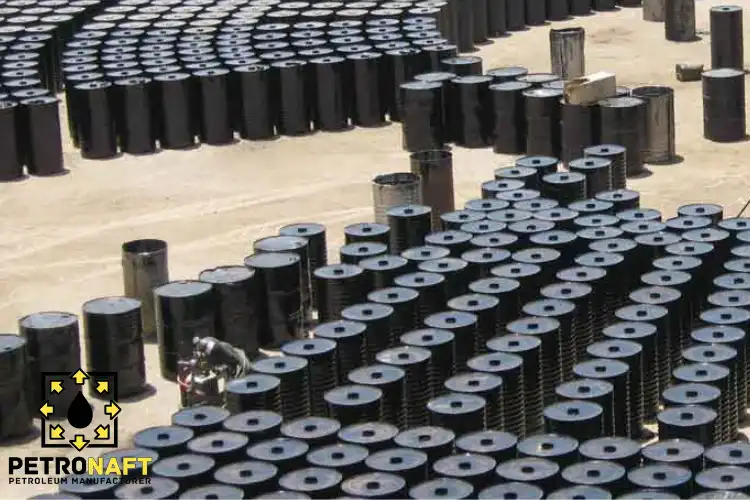
Iran Bitumen Manufacturers serve global road, roofing, and waterproofing projects with penetration-grade, oxidized, and modified bitumen in drums, jumbo bags, and bulk. The best suppliers combine refinery-grade feedstock, consistent lab control, export-ready packaging, and clear trade documents—so you receive on-spec binder that pumps, lays, and performs as designed in your climate.
If you’re here to buy (or qualify a supplier), focus on these four things first:
- Product match: grade, temperature range, and application (road vs. membrane vs. industrial)
- Consistency: batch-to-batch stability (not just a “nice-looking” COA)
- Packaging & handling: drum quality, liner choice, loading temperature discipline
- Export readiness: documents, inspection, and claim-prevention process
Highlights & Key Sections
Iran Bitumen Manufacturers: Buyer’s Guide to Suppliers & Exporters
Iran’s bitumen market has a mix of refinery-linked producers and export-focused suppliers. Buyers often confuse the two.
- Producers manufacture bitumen from refinery streams and typically offer large, steady volumes.
- Suppliers/exporters source from approved producers, then add value through QC control, packing, logistics, and after-sales support.
Reputable manufacturers and suppliers you’ll see most in international tenders
Other refinery-linked Iranian brandsCompetitive supply across common gradesPrice-sensitive or regional buyersVet the chain of custody and the lab discipline behind the COA
| Company / Brand | What they’re known for | Typical buyer fit | Notes buyers should verify |
|---|---|---|---|
| Pasargad Oil Company | Large-scale production network, strong export footprint | High-volume infrastructure buyers | Confirm the exact plant/source, batch traceability, and delivery window |
| Jey Oil Refining Company | Established production and testing capabilities | Buyers prioritizing repeatable specs | Confirm grade availability, shipment format, and inspection workflow |
| Petro Naft | Export-oriented supply + packaging options + technical support | Buyers who need hands-on coordination (QC, docs, shipping) | Agree upfront on inspection plan, packing specs, and loading temperature |
Practical takeaway: Don’t choose only by name. Choose by plant/source + grade + packaging + inspection discipline.
What Iran supplies best: grades, applications, and how to pick fast
Most international buyers request penetration grades (for paving), plus oxidized grades (for membranes/industrial). Modified and specialty binders are increasingly requested for heavy traffic and hotter climates.
Quick grade selection table (field-friendly)
| Need / climate clue | Usually fits best | Why it works | Common mistake |
|---|---|---|---|
| Balanced climates, general road work | Penetration grade in the mid-range (e.g., 60/70 family) | Good workability + stable performance | Buying purely by price, ignoring consistency |
| Hot climates, rutting risk | Harder paving grade or modified binder | Higher high-temp stability | Overheating during loading and hardening the binder |
| Cooler climates, cracking risk | Softer paving grade | Better low-temp flexibility | Using too hard a grade and blaming “poor asphalt” later |
| Membranes & waterproofing | Oxidized/blown grades | Higher softening point, better shape retention | Treating oxidized like paving binder (it behaves differently) |
| Fast spray applications | Cutback / emulsion systems (project-dependent) | Easier handling for certain site constraints | Choosing the wrong curing/setting profile |
Mini tutorial: choose the right grade in 3 steps (10 minutes)
- Start from your project spec (or ask your consultant/agency for the binder class required).
- Map to climate + traffic: hotter + heavier traffic usually needs higher high-temperature stability.
- Lock the acceptance tests: define what “pass” means for each batch (and what happens if it fails).
Packaging and shipping options that prevent claims
Packaging is not a cosmetic detail. It directly affects leakage rates, contamination risk, unloading time, and buyer cost.
Packaging comparison
| Packaging | Typical use | Pros | Watch-outs |
|---|---|---|---|
| Steel drums | Widely used for container shipping | Easy handling, broad buyer acceptance | Drum thickness/quality varies; leakage claims happen when specs are vague |
| Jumbo bags | Faster loading/unloading, high volume | Lower packaging waste in some cases, efficient for some ports | Needs correct liner and temperature discipline to avoid sticking/tearing |
| Bulk | Very large volumes, terminals-friendly buyers | Lowest packaging cost per ton | Requires compatible heating/pumping setup and strict temperature management |
Buyer-pro tip: Put packing specs in writing:
- net weight tolerance per unit
- palletization (if any)
- liner requirement (for bags)
- sealing method and leak-prevention standard
- photo requirement before stuffing and before sealing the container
Real-world example (what “small details” fix)
A West Africa road contractor reduced drum leakage and messy container cleanups by doing two things:
- specifying drum thickness and seam type, not just “new drums”
- adding pre-stuffing photo checks + random tap-test sampling before container sealing
Quality control that actually protects you (not just a pretty COA)
A COA is useful only if it is repeatable, traceable, and backed by a clear sampling method.
COA sanity-check table (what to look at first)
| Property (common across paving binders) | Why it matters | Red flags buyers should treat seriously |
|---|---|---|
| Penetration @ 25°C | Consistency/workability indicator | Numbers right at the edge every time (suggests blending “to pass”) |
| Softening point | High-temp stability signal | Big swings between batches |
| Flash point | Safety and handling | Missing values or unusually low results |
| Solubility | Purity/compatibility indicator | Low solubility or missing test |
| Aging / loss on heating | Durability proxy | No aging results when the contract expects them |
Mini tutorial: how professionals inspect a shipment
- Before loading: confirm batch ID, packing specs, and target loading temperature window
- During loading: take sealed samples from the agreed method (not “a random scoop”)
- After loading: verify container seal numbers, photo set, and final document pack
- Before discharge: confirm heating plan and pump compatibility (for bulk and some bag systems)
Trend that matters: Buyers increasingly demand traceable batches (clear batch IDs, tighter tolerance control, and documented inspection steps). It reduces disputes and speeds up acceptance.
Export process buyers should insist on (to avoid delays)
Even high-quality product can get stuck if the documentation is sloppy or inconsistent.
Typical export document pack (your contract should list these)
| Document | What it protects you from | What to check |
|---|---|---|
| Commercial invoice + packing list | Customs mismatch and delays | Product name/grade matches COA exactly |
| Certificate of origin (where applicable) | Clearance issues | Consistent exporter/manufacturer naming |
| COA (per batch) | Quality disputes | Batch ID matches packing marks |
| Bill of lading / shipping docs | Delivery disputes | Correct weights, seals, consignee data |
| Safety data sheet (where required) | Port/warehouse acceptance issues | Version control + product match |
Trade-term tip (simple but important)
If you want cost predictability, choose terms where freight and insurance responsibilities are explicit. If you want more control, choose terms that keep logistics on your side.
Common buyer problems (and how experts avoid them)
- Problem: “Same grade, different performance.”
Fix: Tighten acceptance around consistency, not just a single-pass COA. - Problem: Drums arrive dented/leaking.
Fix: Specify drum standard + inspection photos + reject protocol. - Problem: Cargo hardens in transit.
Fix: Control loading temperature and avoid prolonged overheating. - Problem: Paperwork mismatch causes demurrage.
Fix: One master “product naming format” used across invoice, packing list, and COA. - Problem: No clear remedy when a batch fails.
Fix: Put a written replacement/credit/return clause into the contract.
Where Petro Naft fits in a buyer’s shortlist
Petro Naft is typically the right fit when you want:
- Supplier-side coordination across QC, packaging, and export documents
- Grade matching support (paving vs. waterproofing vs. industrial use cases)
- Risk reduction through defined inspection steps and claim-prevention routines
- Cross-market logistics experience for repeat shipments and multi-destination planning
If your team values fewer surprises over “cheapest on paper,” that’s where an export-focused supplier adds real value.
Conclusion
Choosing among Iran Bitumen Manufacturers is easiest when you treat it like a controlled supply chain: lock the grade to your climate and spec, define packaging standards, require traceable QC, and run a disciplined inspection + documentation process. Done right, you get predictable performance on site—and far fewer delays, claims, and rework.
Executive Summary Checklist (use this before you place an order)
- Grade and application confirmed (paving vs. membrane vs. industrial)
- Acceptance tests defined + limits agreed (including what happens if a batch fails)
- Packaging specification written (drums/bags/bulk + tolerances + leak prevention)
- Loading temperature and handling plan agreed
- Batch traceability required (batch ID on COA + packing marks)
- Inspection plan set (sampling method, timing, third-party if needed)
- Document pack listed in contract + naming format standardized
- Delivery term clarified (responsibilities for freight/insurance/customs)
- Claims protocol and remedy clause written
- First shipment treated as a controlled “qualification lot” before scaling volume
FAQs
1) What’s the fastest way to verify a bitumen supplier’s reliability?
Ask for a recent batch history showing consistent test results, then require a traceable batch ID and a clear sampling/inspection plan on your first shipment.
2) Are drums or jumbo bags better for importers?
Drums are widely accepted and simple to handle; jumbo bags can improve efficiency in some ports. The best choice depends on your unloading setup and how tightly the packing quality is controlled.
3) Why can the same grade behave differently on site?
Because “grade” is a range. Variations in feedstock, processing, overheating, and storage can shift performance even when the headline number still passes.
4) What causes cargo to harden during shipping?
Excessive heating time, temperature spikes during loading, and poor thermal management can accelerate aging—especially if handling procedures are not clearly defined.
5) Which documents prevent the most border delays?
A consistent invoice/packing list, clean shipping documents, and a COA that matches the exact product naming and batch marks typically prevent the most customs and port disputes.
Sources
- International overview of penetration-graded paving binder classes and scope used in pavement construction. ASTM D946/D946M Standard Page
- Official summary of globally used trade terms defining cost and risk responsibilities in shipments. Incoterms Rules (ICC)
- Corporate profile outlining Pasargad Oil Company’s production footprint and export infrastructure. Pasargad Oil Company Profile (TAPPICO)
- Manufacturer information and technical pages describing testing and product context for Jey Oil’s bitumen operations. Jey Oil Refining Company Website