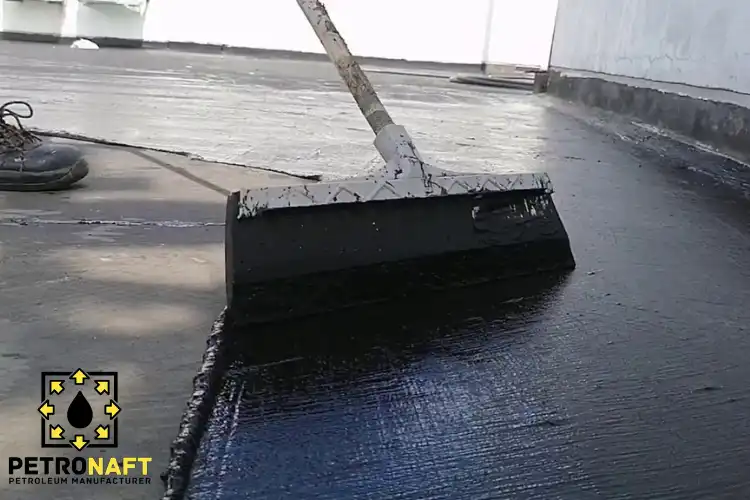
This guide breaks down how oxidized (blown) bitumen behaves on roofs, why contractors choose it for heat stability, and how to pick grades like 85/25 or 115/15. You’ll learn the key tests to request on a COA, common installation pitfalls, and a practical buying specification you can reuse. If you’re comparing systems or sourcing material, this article helps you decide fast and avoid costly surprises with Oxidized Bitumen in Roofing.
Oxidized Bitumen in Roofing is used when you need a binder that stays stable under heat, resists flow, and forms a durable waterproof layer in built-up roofs and membranes. The “grade” (for example 85/25 or 115/15) tells you how hard it is—so you can match climate, detailing complexity, and installation method without cracking or bleeding.
Roofing teams usually choose oxidized (blown) bitumen for one simple reason: it behaves predictably when the roof gets hot. That predictability reduces call-backs—especially on parapets, drains, upstands, and areas that see long hours of sun.
If you’re specifying, buying, or installing, the biggest lever you control is the grade. Pick it well, and the rest of the system (felts, primers, membranes, protection layers) performs more reliably.
Highlights & Key Sections
What oxidized (blown) bitumen is in plain terms
Oxidized bitumen is produced by air-blowing bitumen at elevated temperature to change its internal structure.
What that means on a real roof:
It generally raises softening point (better heat stability)
It generally lowers penetration (a “harder” feel)
It becomes easier to specify consistently using grade conventions (more on that below)
Think of it as a “tuned” bitumen designed for roofing and waterproofing behavior, not road paving.
Why roofers and specifiers choose it
Here’s where oxidized bitumen shines in day-to-day roofing work:
Heat resistance: Helps reduce slumping, flow, and edge creep on hot decks.
Dimensional stability in built-up roofing (BUR): Supports consistent embedment of felts and layers.
Cleaner detailing: Better control around corners, terminations, and penetrations where soft binder can migrate.
Adhesive performance: Useful where bitumen must also act like a bonding layer (within system design limits).
Predictable storage/handling: When supplied with a proper certificate of analysis (COA), you can repeat results project to project.
Field reality: The “best” grade is the one that matches your roof’s thermal load + application method. A grade that’s too soft can creep; too hard can become unforgiving on details and may increase cracking risk if the system isn’t designed for movement.
Mini tutorial: how to specify and buy confidently (without surprises)
If you’re buying for projects, don’t “just buy a grade.” Buy a performance envelope.
Step 1 — Define the roofing system you’re actually building
Choose the scenario first:
Built-up roofing (BUR) with felts
Waterproofing layer under protection (tiles, screed, pavers)
Bituminous adhesive within a system
Factory-produced membrane or on-site coating use
Each scenario has a different “best” workability window.
Step 2 — Match grade to climate + detailing complexity
Use this fast rule-of-thumb:
More sun/heat + more slope + more exposure → move toward higher softening point
More intricate detailing + colder installation conditions → avoid grades that are too stiff
Step 3 — Put these items into your RFQ / purchase order
Include a short spec block like this:
Product: Oxidized (blown) bitumen, grade /
Intended use: Roofing / waterproofing (state system type)
Batch traceability: batch number + production date on packing list
Documentation: COA + SDS + origin (if required for the project)
Step 4 — Ask for one real sample before the full shipment (when it’s a large job)
A simple on-site check saves money:
Heat a small sample under controlled conditions
Check spread behavior, stringiness, and “set” time
Confirm the crew can achieve consistent embedment or coating thickness
Mini case example (what changes on real jobs)
A contractor doing a large warehouse roof in a high-heat region saw recurring “edge creep” on terminations. They switched from a more workable grade to a more heat-stable grade and tightened temperature control on the kettle. The result: cleaner terminations, less migration, fewer touch-ups during punch-list.
Application basics that prevent the most common failures
Most roofing failures blamed on “bad bitumen” are actually temperature, moisture, or detailing problems.
Do this on site
Control heat, don’t chase speed: Keep application within the supplier’s recommended temperature window and avoid overheating.
Keep substrates dry: Moisture leads to foaming, poor adhesion, and hidden voids.
Prime correctly: Use the right primer and let it flash off properly before applying hot material.
Build details first: Corners, drains, penetrations, and upstands need deliberate layering before open-field speed work.
Protect the finished layer: UV and mechanical abuse destroy exposed bitumen faster than people expect.
Avoid these habits
“Extra heat makes it stick better.” It often makes it age faster and behave inconsistently.
“Any grade works.” Grade mismatch is a top cause of bleed/flow or detail cracking.
“No need for COA on repeat orders.” Batch-to-batch control is exactly why COAs exist.
How oxidized bitumen fits into modern roofing trends
Roofing is changing fast, and oxidized bitumen sits inside that evolution:
Higher roof surface temperatures are becoming a design issue. More HVAC loads, darker surfaces, and dense urban heat effects push teams toward binders and membranes with better high-temperature performance.
Safety and speed are driving system choices. Many projects favor self-adhered or cold-applied solutions to reduce open-flame work, while still using bituminous chemistry in the system.
Hybrid assemblies are common. You’ll often see oxidized bitumen used in certain layers or detailing contexts, while polymer-modified membranes handle movement and thermal cycling.
If you’re specifying, aim for a system that balances:
heat stability,
movement accommodation,
installation safety,
and long-term maintainability.
Conclusion
Oxidized Bitumen in Roofing performs best when you treat it like an engineered material, not a commodity: choose the grade based on climate and detailing, insist on a COA with the right tests, and control handling temperatures and substrate dryness. Do that, and you get a more stable waterproofing layer with fewer on-roof surprises.
Executive Summary Checklist
Use this as a “ready-to-buy / ready-to-install” checklist:
Confirm the roof system type (BUR, waterproofing under protection, adhesive use, membrane integration)
Select a grade based on thermal exposure + detailing complexity
Request COA with: softening point, penetration @25°C, solubility, loss in mass, flash point
Ensure batch traceability (batch no., production date, packing list consistency)
Verify packaging matches handling (bags/cartons/drums) and storage realities
On site: control temperature, keep substrates dry, prime correctly, protect finished work
Document application conditions (temperature, weather, substrate) for QA and warranty support
FAQs
1) What’s the difference between oxidized (blown) bitumen and paving grade bitumen?
Oxidized bitumen is processed to improve heat stability and consistency for roofing/waterproofing behaviors. Paving grades are optimized for road performance and different temperature/mechanical demands. The wrong choice can lead to flow, bleed, or cracking issues on roofs.
2) Is a higher grade number always better for hot climates?
Not automatically. Higher softening-point classes typically help in heat, but a grade that’s too stiff can be difficult on details or movement zones unless the system is designed for it. Balance heat stability with workability and expected building movement.
3) Which tests matter most when buying oxidized bitumen for roofing?
Softening point and penetration define the grade behavior, while solubility and loss in mass help confirm purity and stability. Flash point is critical for safe handling. A COA that includes these reduces the risk of batch inconsistency.
4) Why does bitumen sometimes foam or “spit” during heating?
Moisture contamination is a common cause—either in the material, kettle, or on the substrate. Rapid heating and poor temperature control also make foaming worse. Keep storage dry and follow controlled heating practices.
5) Can oxidized bitumen be used with modified bitumen membranes?
It can be used in some assemblies and detailing contexts, but many modified membranes rely on polymer-modified binders with specific compatibility requirements. Always match the binder and method to the membrane manufacturer’s guidance and the project specification.
ISO ISO 2592:2017 – Cleveland open cup method reference for determining flash and fire points of petroleum products. (https://www.iso.org/standard/67910.html)