

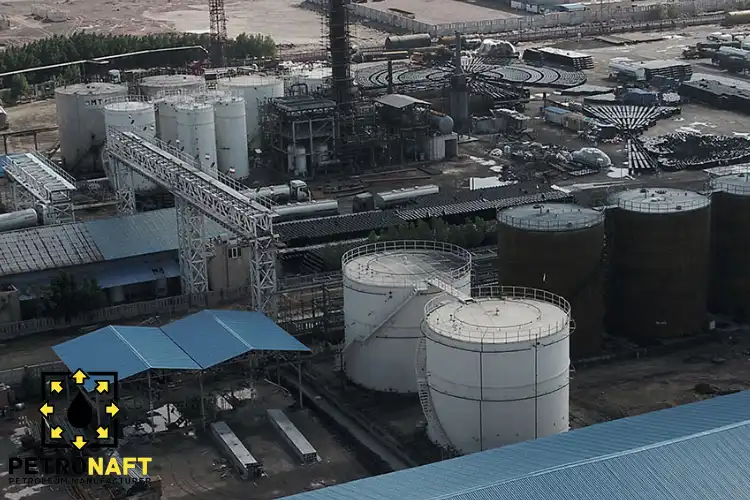
Bitumen Manufacturers are companies that refine, blend, modify, or package asphalt binder for roads, waterproofing, and industrial uses. The best supplier for you is the one that consistently meets your required grade (e.g., 60/70, PG, PMB), provides traceable test reports, and can deliver on-time in the packaging and Incoterms you need.
In real procurement, “best” usually means you can control three things:
- Technical fit: grade matches climate, traffic, and application
- Quality proof: batch traceability + verified lab results (COA)
- Delivery certainty: packaging, heating, and documentation done right
Highlights & Key Sections
What a bitumen manufacturer actually delivers (and what can go wrong)
Bitumen isn’t a single product. It’s a performance material that changes with crude slate, refinery configuration, modifiers, and handling.
Common failure points buyers see:
- Wrong grade for climate/traffic → rutting in heat or cracking in cold
- Inconsistent batches → paving crews chase temperature/compaction issues
- Poor logistics (overheating, contamination, water ingress) → foaming, segregation, or off-spec test results
- Weak documentation → customs delays, claims disputes, or rejected loads
If you source for roads, membranes, or industrial coatings, you’re not just buying “bitumen.” You’re buying repeatable behavior at operating temperature.
How to Choose Bitumen Manufacturers for Your Project
Use this as a fast decision framework before you compare prices.
1) Match the grade to use-case (not habit)
- Road paving: penetration grade (e.g., 60/70), viscosity grade, or performance grade (PG)
- High-stress pavements (ports, airports, heavy axle): polymer-modified bitumen (PMB)
- Waterproofing & roofing: oxidized/blown bitumen or specialty binders
- Surface treatments: bitumen emulsions (cationic/anionic; rapid/medium/slow setting)
Practical rule: if your pavement sees heavy loads + high surface temps, default your shortlisting toward manufacturers with proven PMB capability and tight QC.
2) Look for “repeatability signals”
A professional supplier should provide:
- Batch number + Certificate of Analysis (COA)
- Safety Data Sheet (SDS)
- Clear spec reference (ASTM/EN/AASHTO or project spec)
- Sampling and retention policy (how long they keep retain samples)
3) Validate logistics capability early
Ask these before you negotiate:
- Can they ship bulk, drums, bitubags/blocks, or ISO tanks?
- What heating method is used for bulk loading/unloading?
- What’s the plan for temperature control, demurrage, and winter handling?
- Who issues documents (Certificate of Origin, packing list, BL, inspection)?
Mini tutorial: a buyer-grade workflow that reduces claims
This is a simple process procurement teams use to avoid “cheap now, expensive later.”
- Define the operating conditions
- Climate range, traffic class, and layer function (binder/base/wearing)
- Target spec: penetration/softening point/viscosity or PG/PMB requirements
- Shortlist suppliers by capability
- Evidence of producing your exact grade(s)
- QC system, traceability, and export documentation competence
- Request a “3-pack” quote
Ask each supplier to quote the same quantity in:
- Bulk
- Drums
- Bags/blocks (if feasible for your site)
This reveals the real cost of logistics, heating, and handling.
- Lock acceptance criteria
- Which tests decide acceptance?
- Who pays for re-test?
- What happens if results fail at destination?
- Pilot first, scale second
For new suppliers or new grades, start with a pilot shipment and verify performance on-site.
Product lines you’ll see from serious manufacturers
Below is a quick mapping of common products to where they fit.
| Product type | Typical applications | What to check before buying |
|---|---|---|
| Penetration grade bitumen (e.g., 60/70, 80/100) | General hot-mix asphalt | Penetration, softening point, viscosity, flash point, solubility |
| Performance Grade (PG) asphalt binder | Engineered paving for climate/traffic | PG grade verification, consistency, handling guidance |
| Polymer-Modified Bitumen (PMB) | High rut resistance, fatigue improvement | Elastic recovery, softening point, storage stability, compatibility |
| Oxidized (blown) bitumen | Roofing, membranes, industrial waterproofing | Softening point + penetration balance, brittleness behavior |
| Bitumen emulsion | Tack coat, surface dressing, cold mix | Setting type, residue properties, storage stability |
| Cutback bitumen (where permitted) | Specialized cold applications | Regulatory acceptance, VOC handling, safety controls |
Quality checks that separate premium suppliers from “traders with tanks”
A good manufacturer can explain why test results matter, not just attach a PDF.
Core lab tests (what they protect you from)
- Penetration / hardness: helps predict deformation vs. cracking tendency
- Softening point: key for high-temperature stability
- Viscosity: impacts mixing, pumping, and compaction windows
- Flash point: safety threshold during heating and handling
- Solubility & purity indicators: flags contamination or poor processing
“Trust signals” worth paying for
- Consistent COA format and traceable batch records
- Third-party inspection options (when projects demand it)
- Clear storage and heating instructions tied to each grade
- Documented corrective-action process when something goes off-spec
Real-world example: A contractor using the same nominal grade from two suppliers gets different compaction behavior. In most cases, the difference traces back to viscosity range control and handling temperature discipline—not the headline grade printed on the invoice.
Packaging and delivery: choose what your site can actually handle
The right packaging is often a bigger cost lever than negotiating a slightly lower unit price.
| Delivery format | Best for | Watch-outs |
|---|---|---|
| Bulk tanker / vessel | Large, steady consumption | Requires heating systems, trained handling, temperature discipline |
| Drums | Medium volumes, distributed sites | Drum heating time, residue loss, labor, disposal |
| Bitubags / blocks | Remote sites, faster handling vs drums | Storage conditions, melting equipment, packaging integrity |
| ISO tank / container solutions | Flexible global shipping | Cleaning/compatibility, demurrage planning, discharge equipment |
Hands-on tip: If your site lacks reliable heating and pumping, “cheapest per ton” bulk can become the most expensive after delays, contamination risk, and downtime.
Top 10 bitumen manufacturers to know (global, reputable, large-scale)
This list helps buyers recognize the names most often considered top-tier in the industry. Product availability and local supply vary by region, but these companies are widely recognized for scale, refinery access, and/or dedicated bitumen expertise.
| Company | Why they’re widely recognized | Typical buyer fit |
|---|---|---|
| Shell | Global refining footprint and established bitumen programs | Multinational projects, consistent specs, broad logistics |
| ExxonMobil | Large integrated supply chains and refinery capacity | Buyers needing steady volumes and standardized documentation |
| TotalEnergies | Strong presence in fuels and specialty products in many markets | Road authorities, large contractors, export-import workflows |
| Saudi Aramco | Major upstream-to-downstream scale with broad product reach | Large volume tenders and long-term supply contracts |
| Sinopec | One of the world’s largest refining and petrochemical players | High-volume buyers in Asia and international trading routes |
| Indian Oil Corporation | Major refinery network serving large domestic demand | Regional buyers, infrastructure programs, consistent supply |
| Bharat Petroleum (BPCL) | Significant refining capacity and distribution strength | Government and contractor supply, India-linked procurement |
| ENI | European-scale refining and downstream market presence | Buyers aligned with EU/Med supply chains and specs |
| Nynas | Known for specialty binders and bitumen-focused expertise | Projects needing specialized binder performance or niche grades |
| Petro Naft | International manufacturer/supplier focus with strong technical support and multi-region sourcing networks | Buyers who value responsive QC support, documentation discipline, and flexible packaging/export options |
How to use this table: shortlist 3–5 names, then filter by your required grade, destination logistics, lead time, and acceptance testing rules.
Pricing and contracts: how professionals avoid “surprise costs”
Instead of chasing the lowest quoted number, compare landed cost and risk cost.
Landed cost components (quick calculator)
- Product price (FOB/CFR/CIF or local)
- Freight + insurance (if applicable)
- Port, terminal, and handling fees
- Heating, storage, and discharge costs
- Local haulage to plant/site
- Testing, inspection, and claim administration
- Banking, LC fees, and demurrage risk
Contract clauses that save projects
- Acceptance test method and sampling location defined upfront
- Retesting procedure (who, where, and who pays)
- Temperature and contamination responsibility clearly assigned
- Batch traceability + document package list included as an appendix
Trends shaping the bitumen market right now
Two forces are influencing procurement decisions and product development across the industry:
- Lower-carbon paving and circularity: more RAP use, rejuvenators, and process improvements push manufacturers to deliver binders that work reliably with recycled mixes.
- Performance-driven specs and modifiers: polymer modification, warm-mix compatibility, and improved handling guidance are becoming standard expectations, especially for heavy-duty pavements and extreme climates.
If your project will be evaluated on lifecycle cost, ask suppliers how they support durability, not just compliance.
Executive Summary and Buyer Checklist
If you remember only one thing: choose suppliers who can prove consistency and deliver reliably—that’s what separates good outcomes from expensive rework when dealing with Bitumen Manufacturers.
Practical checklist (copy/paste for procurement)
- Grade matches climate/traffic/application (pen/PG/PMB/oxidized/emulsion)
- COA + SDS provided with batch traceability and spec reference
- Acceptance testing and retest rules agreed before shipment
- Packaging fits site capability (bulk vs drums vs bags/blocks)
- Temperature handling plan documented (loading, transit, discharge)
- Clean, complete export document set (to prevent customs delays)
- Landed cost compared—not just headline price
- Pilot shipment completed for new supplier/grade before scaling
FAQ
1) What’s the difference between penetration grade and performance grade binders?
Penetration grade classifies hardness at a standard temperature, while performance grade (PG) targets binder behavior over a temperature range. PG systems better reflect climate and traffic demands, especially for high-stress pavements.
2) When should I choose polymer-modified bitumen (PMB)?
Use PMB when rutting, fatigue, or temperature extremes threaten pavement life—ports, airports, heavy axle routes, and hot regions are common examples. It often costs more upfront but reduces maintenance frequency when correctly specified.
3) What documents should a reliable supplier provide for every shipment?
At minimum: a batch-linked COA, SDS, packing list, and transport documents. For exports, you typically also need certificate of origin and clear product identification aligned with the contract spec.
4) Why do two suppliers with the same grade sometimes perform differently on site?
Because grade labels don’t fully capture viscosity range control, compatibility with aggregates, modifier chemistry (for PMB), and handling history. Temperature abuse or contamination during logistics can also change performance without changing the “named” grade.
5) Is bulk always cheaper than drums?
Not always. Bulk can lower unit cost at high volume, but it demands reliable heating, pumping, trained handling, and scheduling discipline. If your site lacks that setup, drums or bagged/block formats can reduce downtime and risk.
Sources
- Eurobitume provides technical overviews of bitumen, applications, and industry sustainability initiatives. Eurobitume
- ASTM International publishes widely used asphalt/bitumen test methods that underpin many QC programs. ASTM International
- The Asphalt Institute shares engineering guidance on asphalt binders, mix design, and performance concepts. Asphalt Institute
- The Federal Highway Administration (FHWA) offers practical resources on asphalt materials, performance, and pavement practices. FHWA Pavements
- PIARC (World Road Association) publishes global road and asphalt best-practice work, including durability and lifecycle thinking. PIARC